Establish a Seasonal Schedule for Optimal Home Comfort
Homeowners rely on heating, ventilation, and air conditioning systems to maintain comfortable indoor environments. However, a fundamental maintenance practice often receives insufficient attention: the regular replacement of HVAC air filters. Clean filters enhance indoor air quality, decrease energy consumption, and extend the operational life of the system. By adhering to a seasonal replacement schedule, individuals ensure their homes operate at peak efficiency throughout the year.
The Importance of Regular Filter Maintenance
HVAC air filters capture dust, pollen, pet dander, and various airborne contaminants. As these particles accumulate, they impede airflow within the system. The HVAC unit then requires additional effort to draw air through the obstruction, which increases energy usage and diminishes overall performance. Research indicates that replacing a clogged filter can reduce energy consumption by as much as 15 percent, resulting in noticeable reductions on utility statements.
Furthermore, an ignored filter accelerates wear on system components. Limited airflow places undue stress on the blower motor and evaporator coils, potentially causing failures that demand expensive interventions. Proactive filter replacements represent a modest effort that safeguards a significant household investment.
Guidelines for a Seasonal Replacement Calendar
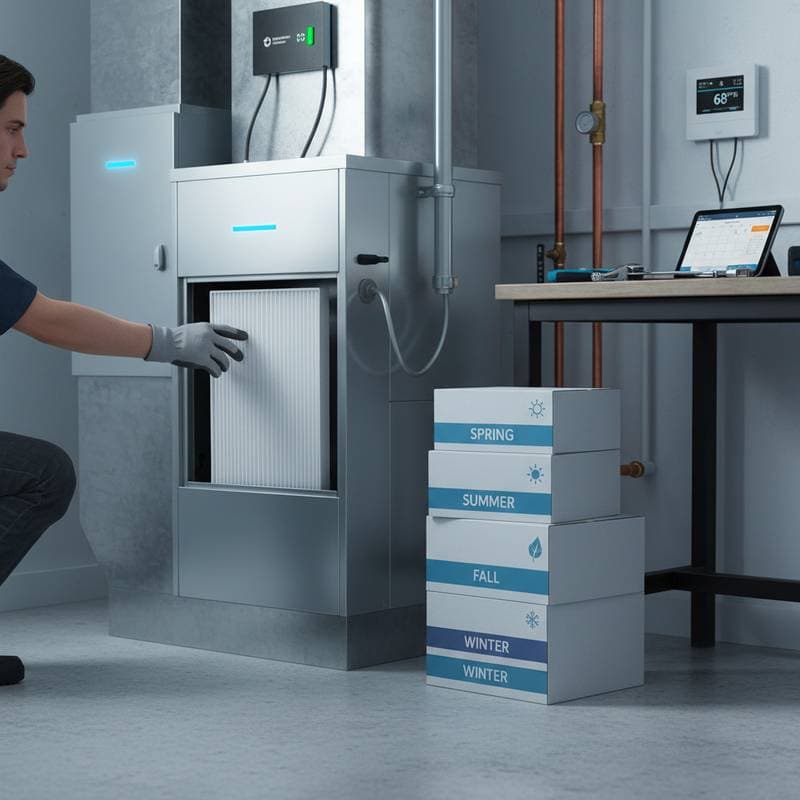
Although conditions vary by household, experts recommend replacing HVAC filters at minimum four times annually. Aligning changes with seasonal transitions accounts for fluctuations in temperature and indoor usage patterns. Consider the following structured timeline to facilitate planning:
- Early spring (March): Install a new filter prior to activating the cooling system. This step eliminates accumulated winter dust and allergens, preparing the unit for warmer months.
- Mid-summer (July): Intense cooling demands elevate air circulation rates. A refreshed filter sustains robust airflow and minimizes operational strain during peak usage.
- Early fall (September): Exchange the filter before engaging heating functions. Removal of summer residues optimizes efficiency as temperatures decline.
- Mid-winter (January): Perform another replacement to support consistent heating performance amid prolonged operation cycles.
Households with pets, residents prone to allergies, or elevated indoor activities might require more frequent inspections. Examine filters each month and substitute them if they display gray discoloration or visible dust accumulation.
Selecting Appropriate Filter Types
Filters differ in construction materials and performance metrics. The Minimum Efficiency Reporting Value (MERV) rating quantifies a filter's ability to capture particles, with higher numbers indicating greater effectiveness. For typical residential applications, a MERV rating of 8 to 12 provides an effective compromise between particle removal and airflow preservation.
- Fiberglass filters: These budget-friendly options offer basic protection against larger dust particles. They suit systems where minimal filtration suffices.
- Pleated filters: Designed with folded media, they trap finer contaminants such as pollen and mold spores. Their extended surface area allows for longer service intervals and compatibility with standard HVAC setups.
- High-efficiency particulate air (HEPA) or advanced filters: These provide exceptional purification but can limit airflow in unmodified systems. Consult the HVAC manufacturer's specifications prior to installation to avoid compatibility issues.
Washable filters present an eco-friendly alternative; clean them according to instructions and reinstall. Disposable variants prioritize convenience, though they necessitate routine disposal and replacement.
Evaluating Expenses and Effort Involved
The task of replacing an HVAC filter ranks among the simplest home maintenance activities. Replacement filters typically range from $10 to $40 in price, influenced by dimensions and filtration quality. Completion of the procedure generally requires under 10 minutes and, in many instances, no specialized tools beyond a basic screwdriver.
Failure to address this maintenance can incur substantial repercussions. Professional service for issues like a overburdened blower or iced coils often surpasses $200 per visit. Moreover, persistent airflow restrictions contribute to elevated energy expenditures, potentially adding several hundred dollars to yearly bills. Consistent replacements mitigate these risks effectively.
Step-by-Step Guide to Filter Replacement
Follow these precise steps to execute a filter change safely and correctly:
- Power down the HVAC system. Deactivate the heating or cooling mode at the thermostat to eliminate operational hazards.
- Identify the filter housing. Access occurs near the air handler unit or within the return air duct, often secured by a simple latch or panel.
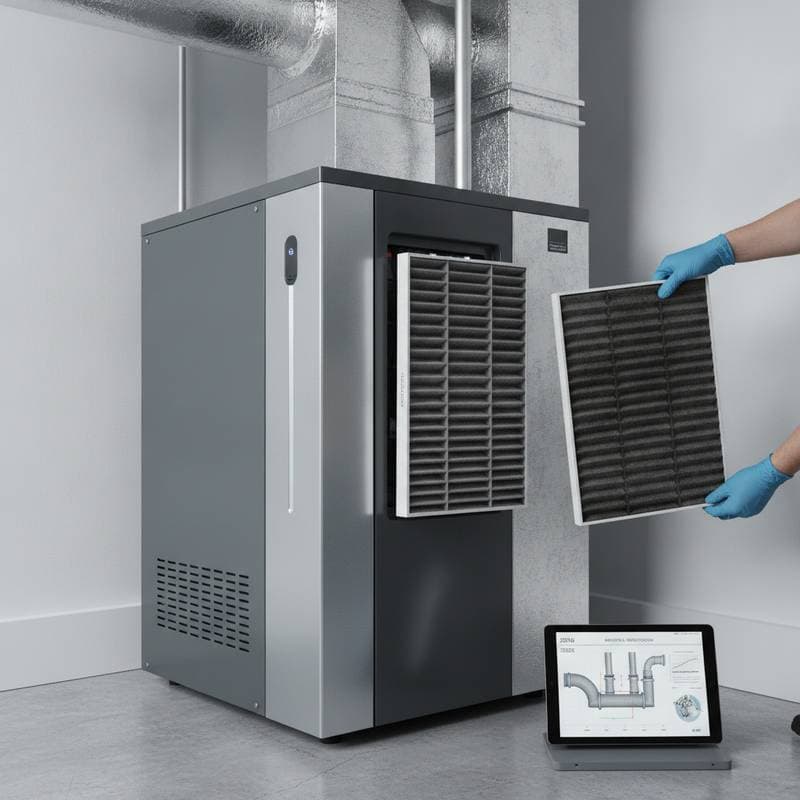
- Extract the used filter. Observe the directional arrow on the filter frame, which indicates airflow orientation.
- Position the new filter. Align it within the slot, ensuring the arrow points toward the blower assembly.
- Reactivate the system. Verify smooth operation by assessing airflow from vents, and record the installation date directly on the filter edge for future reference.
Incorporate calendar alerts or digital reminders to uphold the quarterly rhythm without oversight.
Addressing Common System Challenges
Weak airflow or frequent cycling may indicate filter obstruction as the primary culprit. Begin diagnostics by inspecting and substituting the filter. Should symptoms persist post-replacement, verify thermostat calibration, clear any vent obstructions, and monitor for atypical noises emanating from the air handler. Ongoing difficulties warrant engagement of a certified technician for comprehensive evaluation.
Sustain Efficiency and Air Purity Long-Term
Adopting regular filter replacements prolongs HVAC system longevity, curbs energy demands, and elevates indoor air standards across all seasons. A predefined seasonal calendar prevents lapses amid demanding schedules. Proactive homeowners sidestep major overhauls while benefiting from fresher, allergen-reduced air daily.
Stock spare filters in accessible locations and program seasonal notifications to streamline the process. This quarterly dedication upholds the reliability of a critical home asset, delivering sustained comfort and cost efficiencies.