2026 HVAC Filter Calendar: Align Maintenance with the Seasons
Maintaining an HVAC system ranks among the most straightforward methods to safeguard indoor air quality and minimize energy expenses. Many homeowners recognize the need for periodic filter replacements, yet they often neglect a structured routine. Adopting a seasonal strategy mitigates dust accumulation, sustains optimal airflow, and prolongs the durability of heating and cooling components. This guide presents a reliable HVAC filter calendar synchronized with seasonal shifts, complemented by professional recommendations on replacement timing and filter selection.
The Importance of Seasonal Filter Replacements
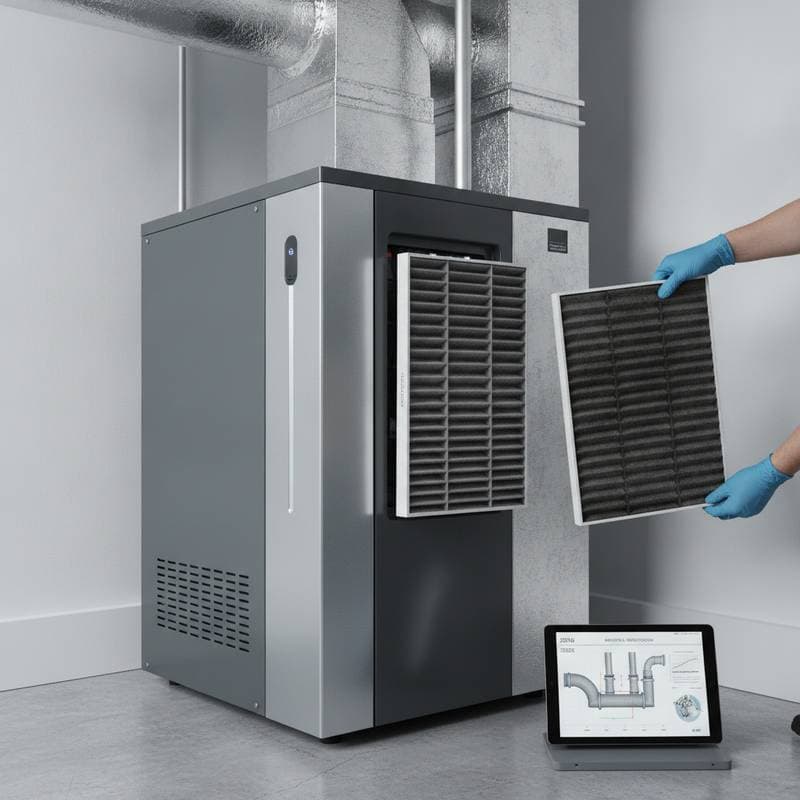
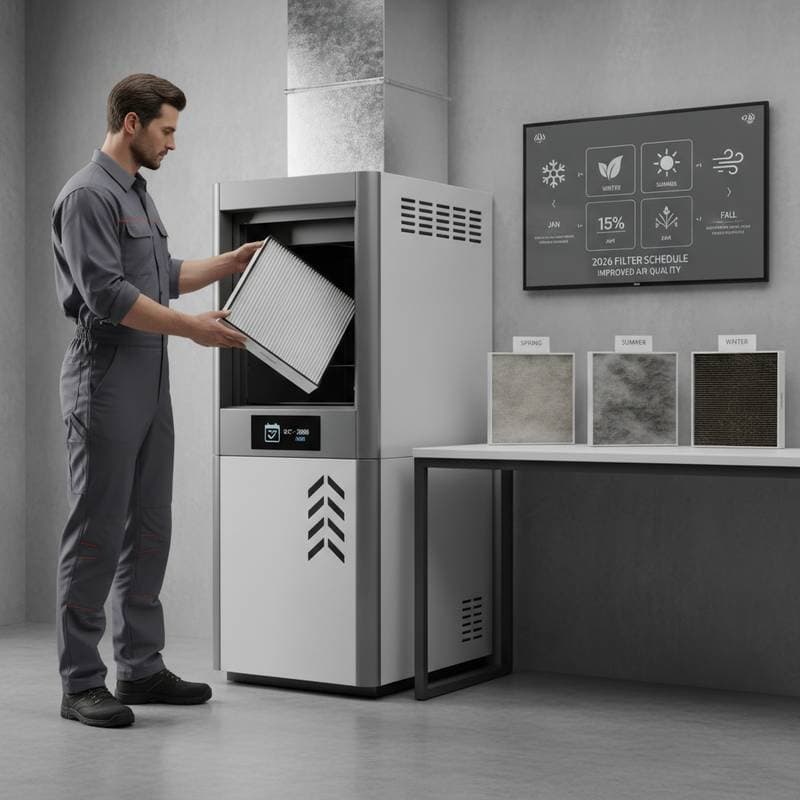
HVAC systems draw air through a filter prior to processing it for heating or cooling. Gradually, contaminants such as dust, pollen, pet dander, and particulates accumulate on the filter, obstructing its pores. A compromised filter compels the system to operate under increased strain, elevating utility costs and accelerating wear on elements like the blower motor or compressor. Data from the Department of Energy indicates that addressing a clogged filter can decrease energy use by as much as 15 percent. This routine action yields substantial savings and enhances overall home comfort.
Filter longevity varies based on household dynamics, including occupancy levels, presence of pets, daily activities, and local air quality. Residences with smokers, animals that shed fur, or active construction projects typically require more frequent interventions. Nevertheless, a quarterly seasonal framework suits the majority of households effectively.
Winter Maintenance: Safeguard Heating Efficiency
During colder months, furnaces or heat pumps engage more frequently. Filters accumulate debris rapidly due to heightened system runtime and indoor movements. Install a new filter at the onset of winter, and inspect it midway through the season. Immediate replacement becomes necessary if symptoms like inconsistent heating or odors resembling dust emerge.
Select filters with MERV ratings from 8 to 12 for winter use. These ratings effectively capture microscopic irritants such as dust mites and mold spores without impeding airflow excessively. Filters with elevated ratings might overburden legacy systems unless compatibility is verified. Consult the equipment manual prior to any upgrade.
Spring Preparation: Combat Allergens and Refresh Airflow
As temperatures increase, pollen levels surge correspondingly. Spring presents an opportune moment for filter renewal to curb indoor allergens and prime the cooling apparatus for impending heat. Pair this task with a comprehensive professional HVAC assessment. Service experts can cleanse coils, verify refrigerant charges, and ensure balanced air distribution.
Individuals prone to allergies gain from MERV 11 or superior filters. Such options trap diminutive allergens including pollen grains, pet hair, and ultrafine dust. Maintain a stock of replacement filters to address them promptly following intense pollen events.
Summer Strategies: Optimize Cooling Output
Intense cooling periods impose continuous loads on air conditioning units. A newly installed filter at summer's commencement preserves robust airflow and uniform temperatures. Accumulated dirt risks coil icing, which hampers performance and invites expensive fixes. Perform monthly filter evaluations, particularly in regions prone to dust or high humidity.
For systems operating daily, plan replacements every 30 to 45 days. Integrate alerts from smart thermostats or dedicated maintenance applications to enforce consistency. Additional tactics include annotating schedules on physical calendars or applying color-coded labels adjacent to the HVAC access panel.
Fall Transitions: Gear Up for Heating Demands
With cooling weather arriving, HVAC operations pivot toward heating functions. Renew the filter before activating the furnace initially. This action clears residual summer particulates that might otherwise disseminate via duct networks. Fall also suits evaluations of duct integrity, leak sealing, and vent cleaning.
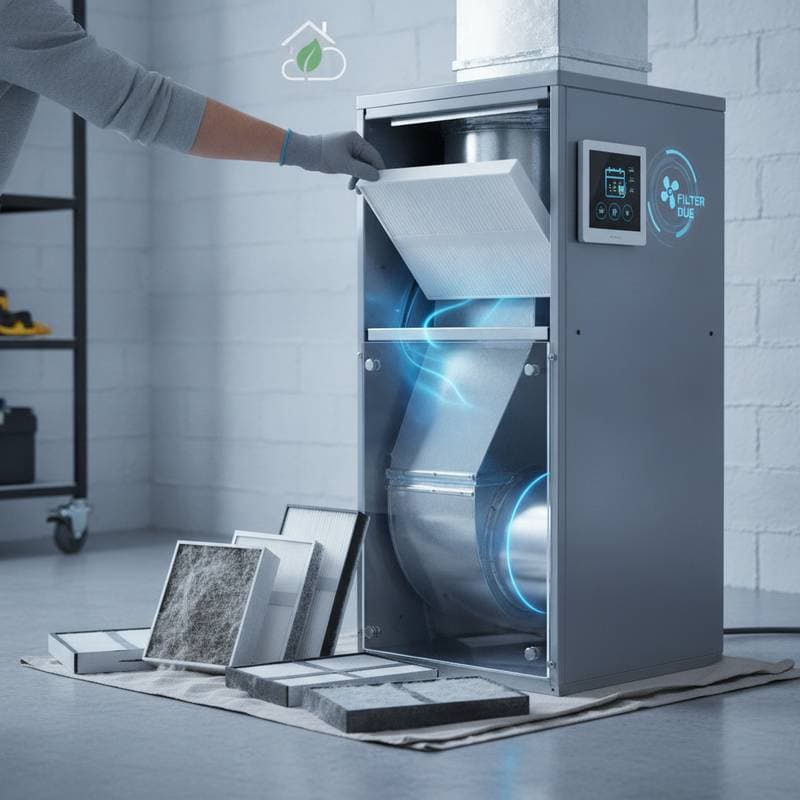
Reusable filters warrant thorough washing and complete drying prior to reuse, as moisture fosters mold proliferation. For disposable variants, procure extras in advance of winter to avoid procurement delays during inclement weather.
Selecting Optimal Filter Varieties
Filters differ in composition and configuration to address diverse needs. Basic fiberglass models provide affordability but primarily snare larger debris. Pleated designs deliver superior capture rates and extended service intervals, often spanning three months under diligent oversight. Electrostatic variants employ ionized fibers to draw in particulates, permitting periodic cleaning over full disposal. HEPA systems achieve maximal purification yet demand compatible HVAC setups to avoid airflow restrictions.
Certain manufacturers, including Filtrete and Honeywell, incorporate specialized layers for odor neutralization or allergen barriers. These enhancements mitigate domestic scents and promote respiratory ease, proving invaluable in pet-filled or smoking households.
Implementing Your Seasonal Routine
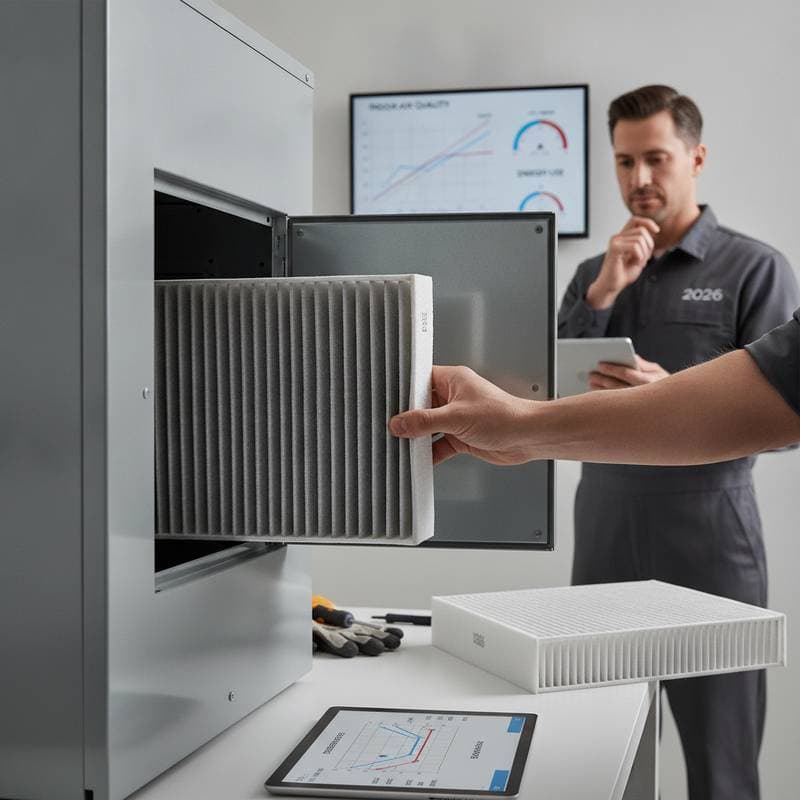
Establishing a steadfast HVAC filter calendar fosters system reliability and pristine air circulation. Schedule quarterly alerts aligned with climatic transitions, incorporating interim inspections for allergy sufferers or pet owners. Integrate filter swaps with complementary chores: clearing vent covers, aspirating return registers, and calibrating thermostat functions.
Consistent upkeep averts escalations into major malfunctions. Embracing this seasonal protocol extends HVAC longevity, curtails repair expenditures, and cultivates a healthful, inviting living space throughout the year.