
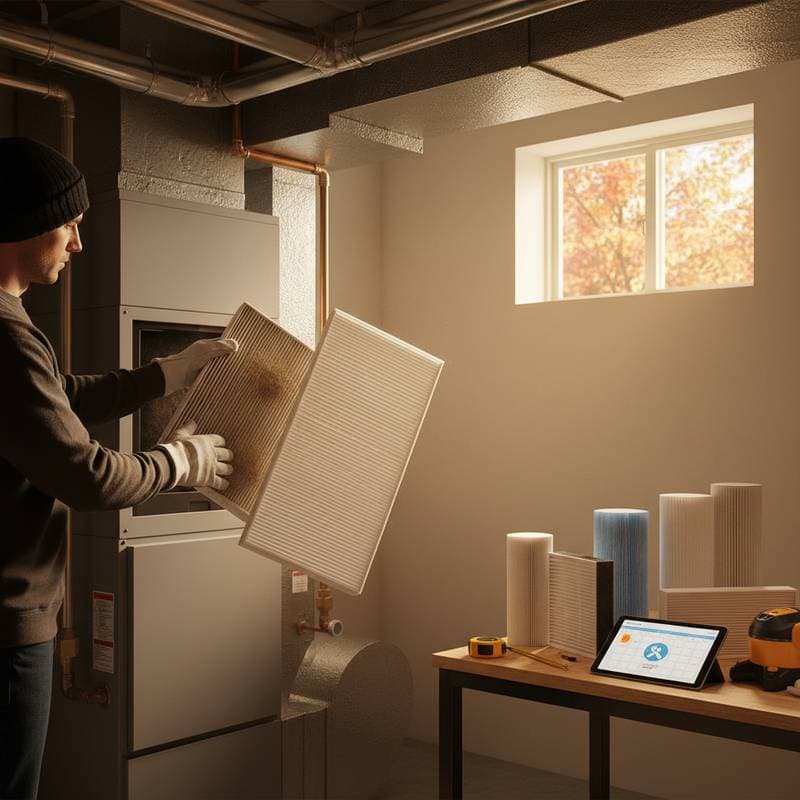
The Right Time and Type for Fall HVAC Filters
As cooler temperatures arrive, homeowners shift attention from cooling to heating systems. This transition raises essential questions about HVAC filter maintenance: when to replace the filter and which type suits fall conditions best. Clean filters ensure optimal air quality, reduce energy expenses, and extend equipment lifespan. In contrast, dirty filters restrict airflow, increase operational strain, and lead to unexpected breakdowns.
Regular filter changes maintain system efficiency and prevent costly repairs. Homeowners benefit from understanding the timing and selection process to sustain comfort throughout the season.
Signs Your Filter Needs Replacement
Homeowners often delay filter changes until air quality declines or heating performance falters. Proactive checks reveal early indicators of replacement needs. Consider these common signs:
- Gray or darkened filter material from accumulated dust.
- Reduced airflow or uneven heating from vents.
- Elevated utility bills despite unchanged thermostat settings.
- Increased dust accumulation on surfaces after routine cleaning.
- Odd odors emanating from the furnace upon startup.
If multiple signs appear, replace the filter immediately. Schedule inspections every three to four weeks during peak usage to avoid disruptions.
Understanding MERV Ratings
The Minimum Efficiency Reporting Value, or MERV, quantifies a filter's ability to capture airborne particles. Ratings span from 1 to 20, with higher values indicating finer particle filtration.
- MERV 1-4: Offers basic protection against large dust particles; ideal for simple window units or minimal systems.
- MERV 5-8: Standard for most homes; provides balanced filtration without impeding airflow.
- MERV 9-12: Captures allergens such as pollen, pet dander, and mold spores; suitable for households with sensitivities.
- MERV 13-16: Targets bacteria, viruses, and smoke; recommended for high air quality demands.
- MERV 17-20: Delivers hospital-level purification; rarely used in residential setups due to airflow restrictions.
For typical residences, MERV 8 to 12 strikes an effective balance, enhancing air purity while preserving system performance.
Fall-Specific Factors Affecting Your Filter
Autumn introduces environmental elements that accelerate filter clogging. Awareness of these factors informs a tailored maintenance plan.
- Leaf debris: Outdoor units pull in fine particles, hastening indoor filter buildup.
- Lower humidity: Dry conditions make dust more airborne and prone to circulation.
- Lingering pollen: Late-season plants release allergens that infiltrate homes.
- System reactivation: Starting the furnace dislodges dormant dust from ducts.
Prepare by vacuuming return vents and grilles prior to heating season. This step minimizes initial filter load and promotes longevity.
Safety Tips During Filter Replacement
Filter installation requires care to avoid compromising system integrity. Follow these guidelines for a secure process.
- Select a filter that matches your system's dimensions exactly; forcing an ill-fitting one allows unfiltered air to bypass.
- Reserve metal-framed filters for compatible units only, as they may restrict flow otherwise.
- Discard disposable filters after use; attempts to clean them degrade effectiveness and redistribute contaminants.
- Ensure washable filters dry fully before reinsertion to prevent moisture-related issues.
- Store spare filters in a flat, dry location to maintain their shape.
Errors such as installing a damp filter can foster mold and diminish efficiency. Double-check orientation and fit each time.
Step-by-Step Guide to Filter Replacement
Replacing a filter involves straightforward steps that any homeowner can follow. Gather tools including a screwdriver if needed, gloves, and the new filter.
- Turn off the HVAC system at the thermostat and power source for safety.
- Locate the filter slot, typically near the return air duct or furnace.
- Remove the old filter by sliding it out and note the airflow arrow direction.
- Inspect the slot for debris and clean if necessary.
- Insert the new filter, aligning the arrow toward the blower.
- Restore power and test the system for proper operation.
This process takes under 10 minutes and ensures immediate improvements in performance.
Expert and User Insights
Maintenance discussions in online communities reveal preferences for pleated filters rated MERV 10 or above, which users credit for smoother furnace operation. Professional technicians identify neglected filters as the primary culprit in heating failures.
Utility-backed research demonstrates that bimonthly replacements correlate with reduced service calls and steadier humidity levels. These findings underscore the value of routine care over premium filter choices alone.
Monitoring Air Quality After Replacement
Post-replacement, track changes in indoor environment to confirm effectiveness. Use simple indicators like reduced dust settling or fresher air scents.
Install an affordable air quality monitor to measure particulate levels over the first week. Adjust habits, such as frequent vacuuming, if improvements lag. Consistent monitoring reinforces the benefits of timely maintenance and guides future schedules.
Implementing a Maintenance Schedule
Establish a calendar reminder for filter checks at season start and every 60 days thereafter. Pair this with annual professional inspections for comprehensive care.
Track replacements in a log to identify patterns, such as faster clogging in dusty areas. This proactive approach minimizes risks and maximizes savings, ensuring reliable heating without interruptions.
Key Benefits of Regular Filter Maintenance
Timely filter changes deliver tangible advantages beyond breakdown prevention. Homeowners enjoy cleaner air that alleviates allergies and enhances well-being.
Energy efficiency rises as unrestricted airflow lowers consumption by up to 15 percent. Long-term, this practice extends furnace life, deferring major investments. Invest effort now for sustained comfort and fiscal prudence through the colder months.




