Essential Fall HVAC Filter Schedule and Types
As cooler weather sets in, the HVAC system takes on a vital role in maintaining home comfort. Fall presents an optimal opportunity to evaluate the filter maintenance routine and select an appropriate filter type for specific household requirements. A well-maintained filter enhances air quality, promotes system efficiency, and extends equipment lifespan.
Why Fall Filter Maintenance Matters
With declining outdoor temperatures, the HVAC system transitions from cooling to heating operations. This shift places greater demands on the furnace or air handler, where restricted airflow from a dirty filter can impair performance. Proper filtration ensures smooth air circulation, steady temperatures, and controlled energy expenses.
Failure to maintain filters leads to multiple challenges:
- Diminished airflow that strains the blower motor and accelerates component wear.
- Elevated energy consumption as the system compensates for inefficiencies.
- Accumulation of dust on coils and in ducts, compromising air purity and introducing odors.
- Accelerated equipment degradation from overheating or blockages.
HVAC professionals frequently note in online discussions that clogged filters rank as a primary cause of furnace service requests during early fall. Homeowners adhering to routine replacements experience reduced service needs and superior indoor environments.
Understanding the Role of HVAC Filters
HVAC filters capture airborne contaminants before they re-enter living areas. These contaminants encompass dust, pet dander, pollen, mold spores, and various debris. Beyond air purification, filters safeguard essential components like the blower fan and heat exchanger against particulate damage.
Filters receive classification through the Minimum Efficiency Reporting Value (MERV) system, spanning ratings from 1 to 20. Elevated MERV values target finer particles, yet improper selection may hinder airflow. For typical residential setups, MERV ratings of 8 to 13 deliver optimal results.
- MERV 1 to 4: Captures large debris such as dust and lint for basic protection.
- MERV 5 to 8: Provides effective control of finer dust and pollen in standard homes.
- MERV 9 to 12: Suited for environments with pets or allergy sufferers.
- MERV 13: Targets bacteria and ultrafine particles, ideal for those with respiratory conditions.
Experts emphasize the importance of aligning MERV ratings with system capabilities to avoid performance disruptions.
Common Filter Types for Fall HVAC Use
Filter materials and constructions vary in benefits. The ideal choice aligns with air quality objectives, financial considerations, and equipment specifications.
1. Fiberglass Filters
Constructed from spun glass fibers, fiberglass filters offer affordability and disposability. They prioritize system protection over advanced air cleaning, typically holding MERV ratings of 1 to 4. Plan replacements every 30 days.
Pros:
- Economical pricing.
- Simple installation process.
- Sufficient for basic applications.
Cons:
- Limited capture of microscopic particles.
- Inadequate for homes with sensitivities.
2. Pleated Filters
Pleated filters utilize folded polyester or cotton paper to maximize surface area. This design traps more contaminants while preserving airflow, with MERV ratings generally from 7 to 12.
Pros:
- Superior management of dust and pollen.
- Extended service intervals of 60 to 90 days.
- Options for reusable or single-use variants.
Cons:
- Moderate increase in expense over fiberglass.
- Precise fitting essential for legacy systems.
3. Electrostatic Filters
Electrostatic filters employ static charge to draw in particles, available in disposable or reusable formats. They commonly achieve MERV ratings of 8 to 10.
Pros:
- Strong performance against smoke and subtle dust.
- Reusable models minimize environmental impact.
- Beneficial in pet-owning households.
Cons:
- Ongoing cleaning necessary for efficacy.
- Scarcity in non-standard dimensions.
4. HEPA Filters
High-Efficiency Particulate Air (HEPA) filters remove up to 99.97 percent of particles measuring 0.3 microns or larger. Primarily designed for medical or industrial settings, select residential models require system modifications for compatibility.
**Pros:**n- Exceptional relief for allergies and asthma.
- Effective against bacteria and pollutants.
Cons:
- Potential airflow limitations in unmodified units.
- Higher initial investment.
5. Washable Filters
Durable washable filters allow rinsing and repeated use, promoting sustainability. They demand regular upkeep to function effectively.
Pros:
- Reduced long-term expenses.
- Environmentally conscious design.
- Adaptable sizing for various systems.
Cons:
- Full drying required post-cleaning.
- Demands time for maintenance.
Building a Fall Filter Replacement Schedule
A structured schedule facilitates reliable upkeep. During fall, intensified system activity due to temperature fluctuations warrants initiating the season with a new filter.
Recommended intervals include:
- Fiberglass: Every 30 days.
- Pleated: Every 60 to 90 days.
- Washable: Cleaning every 30 days.
- HEPA: Every 6 to 12 months per guidelines.
Households with pets, allergies, or proximity to construction should accelerate these timelines. Increased exposure to dander, allergens, or external particles accelerates clogging.
Practical strategies involve calendar alerts for monthly checks or marking installation dates directly on the filter frame to eliminate uncertainty.
How to Check and Replace an HVAC Filter
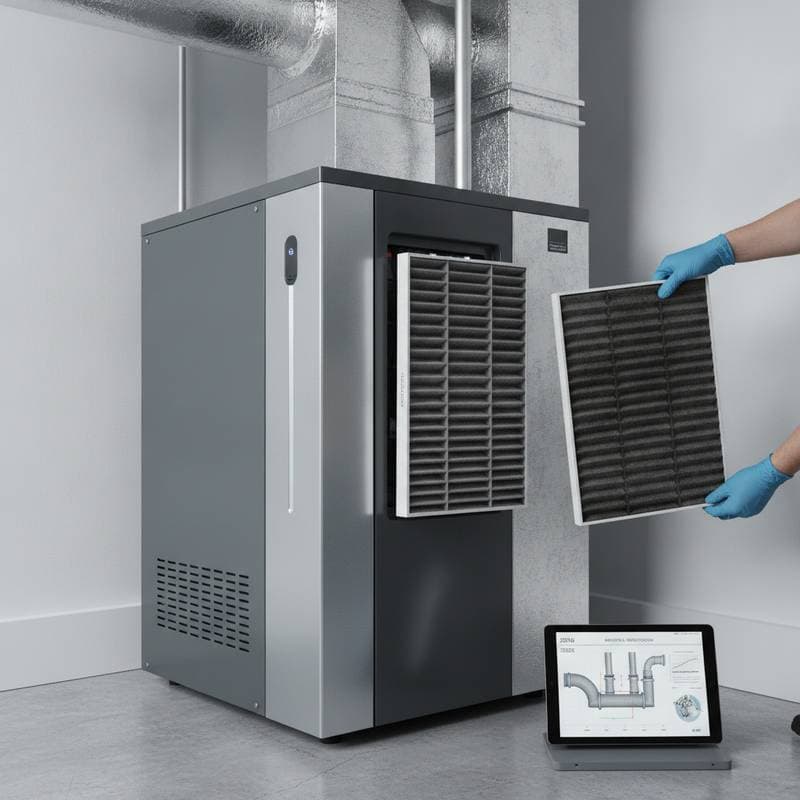
Proper installation underpins effective filtration. Adhere to these procedures for safe and accurate replacement.
- Power down the HVAC system via the thermostat or circuit breaker.
- Identify the filter compartment, often behind the return grille or within the blower housing.
- Verify airflow direction using arrows on the filter edge, directing toward the blower.
- Note dimensions from the current filter, such as 16x25x1 or 20x25x4 inches.
- Position the new filter firmly, avoiding deformation.
- Restore power and monitor for consistent airflow.
Replace immediately if the filter shows excessive darkening ahead of schedule. Such conditions can elevate energy demands by 10 to 15 percent.
Seasonal Cost Considerations
Expenses vary by filter type and performance level. Approximate ranges are:
- Fiberglass: $2 to $5 per unit.
- Pleated: $8 to $20 per unit.
- Electrostatic: $15 to $40, with reusables offering extended value.
- HEPA: $40 to $100 or higher.
Premium options yield returns through prolonged equipment durability and potential health savings. Pleated filters strike an effective balance for routine applications.
Moreover, pristine filters alleviate system stress, potentially trimming heating season bills by up to 10 percent, often offsetting premium costs.
Troubleshooting Common Issues
Symptoms like inconsistent heating, subdued airflow, or odd sounds signal a filter inspection. Clogged filters contribute to:
- Short cycling, where the furnace activates and deactivates rapidly from heat buildup.
- Coil icing in air handlers due to moisture accumulation.
- Visible dust from vents, stemming from inadequate sealing or filtration.
Should filter renewal fail to resolve concerns, engage a certified technician. Underlying issues might involve duct obstructions or motor faults.
Optimizing System Performance Through Filtration
Routine filter care safeguards the HVAC investment and elevates fall comfort levels. Select filters that balance contaminant removal with airflow preservation, and intervene before visible soiling occurs.
Digital tools, including thermostat applications that monitor runtime, complement manual tracking methods like frame labeling. This integrated approach fosters sustained efficiency.
Superior filtration advances both wellness and operational reliability, ensuring a healthier home environment amid seasonal transitions.