Optimal HVAC Filters for Fall: Timing Your Replacement
Cooler weather signals a transition for your HVAC system from cooling to heating. This shift presents an ideal opportunity to inspect and replace the air filter. A fresh filter supports furnace performance, prevents dust accumulation, and promotes superior indoor air quality. Homeowners who overlook this routine task miss out on enhanced comfort and reduced energy expenses.
Importance of Fall for Filter Maintenance
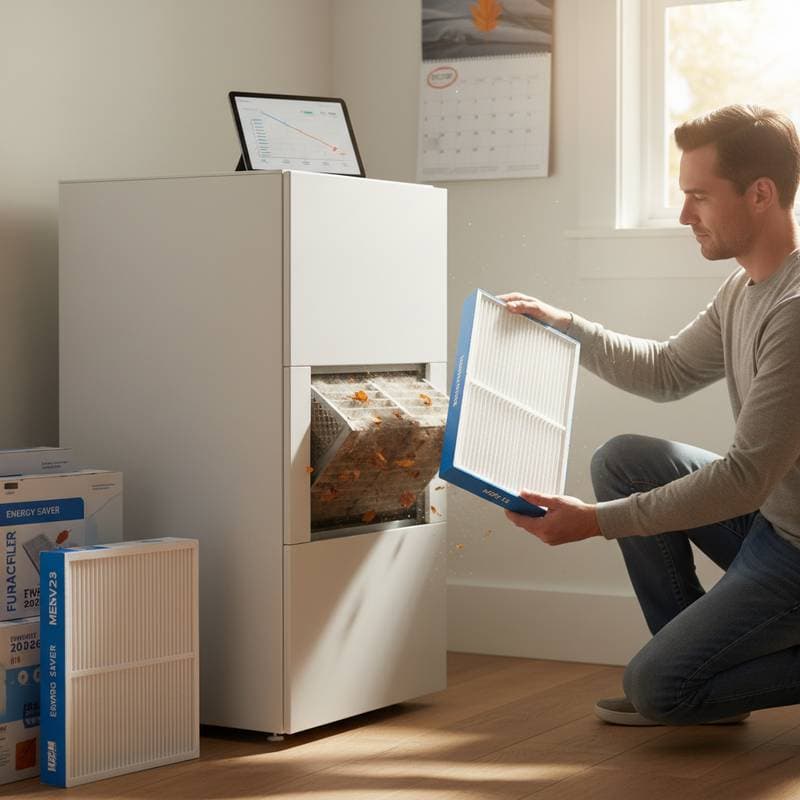
Summer operations draw in dust, pollen, and outdoor debris that accumulate within the filter. By autumn's arrival, these blockages often impede performance. A clogged filter limits airflow, compelling the blower motor to strain excessively. Such conditions diminish overall efficiency, accelerate equipment degradation, and elevate utility expenses.
HVAC professionals frequently advise immediate replacement for filters appearing gray or laden with visible dust. Those who neglect seasonal updates report inconsistent heating, increased noise levels, and rising bills. Consistent replacements sustain optimal airflow and minimize overheating risks.
Selecting the Appropriate Filter
Filters vary in design and capability, with effectiveness quantified by the MERV rating, or Minimum Efficiency Reporting Value. This metric guides selections suited to household needs.
- Fiberglass filters represent the budget-friendly choice. They capture larger particles like dust and lint, yet provide limited defense against finer pollutants. These suit homes free of pets or allergy issues.
- Pleated filters deliver enhanced capture and durability. The accordion-style folds expand surface area to trap pollen, mold spores, and subtle dust effectively.
- Electrostatic filters employ static charge to draw in particles. Washable variants reduce long-term costs, though they demand thorough cleaning at set intervals.
- HEPA filters achieve near-total particle removal, exceeding 99 percent efficiency. However, they can hinder airflow in incompatible systems, so consult the furnace manual prior to use.
Most residences benefit from MERV ratings of 8 to 11, which balance filtration strength with unrestricted airflow. Higher ratings capture more contaminants but risk efficiency losses in standard setups.
Establishing a Replacement Schedule
Frequency hinges on environmental factors within the home. Residences with one occupant and no pets may extend intervals to three months. Environments featuring pets, tobacco use, or sensitive individuals require monthly attention. For reusable options, rinse every few weeks and allow full drying before reinsertion.
Implement practical reminders to maintain consistency. Schedule calendar entries or mobile notifications upon installing a new filter. Advanced smart thermostats monitor usage and issue timely alerts, averting oversights and preserving steady performance.
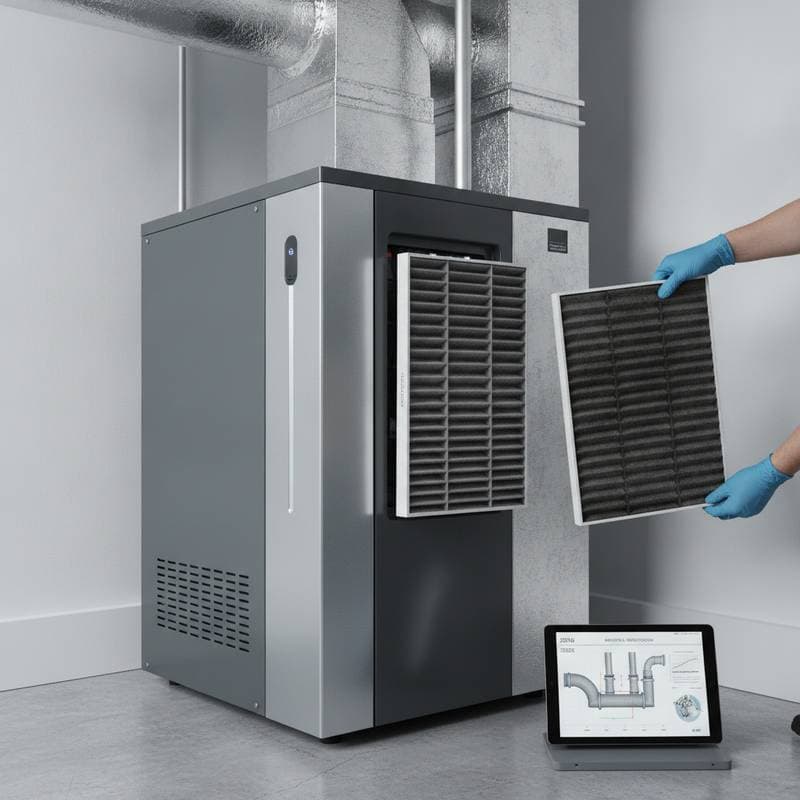
To check your filter, locate the return air grille or access panel, typically near the furnace. Remove the filter and hold it toward light; if little illumination passes through, replacement is essential. This quick assessment prevents prolonged issues.
Indicators for Professional Assistance
Persistent weak airflow, odd sounds, or ongoing dust circulation despite filter changes signal deeper concerns. Engage a certified HVAC technician to examine ducts, motors, and coils for obstructions or damage. Many providers offer comprehensive plans encompassing filter services, thorough cleanings, and seasonal adjustments.
Safeguard Efficiency and Comfort Long-Term
Beyond air purity, a pristine filter shields the HVAC system from early failure, curbs energy consumption, and elevates living conditions. Dedicate seasonal moments to this inspection and swap. These practices yield financial savings, prolong system durability, and secure reliable warmth across fall and winter months.