Prepare Your HVAC for Fall: Optimal Filter Replacement Timing and Recommendations
As temperatures drop, your HVAC system shifts from cooling to heating, demanding peak performance. Replacing the air filter at this juncture enhances air circulation, reduces strain on components, and maintains optimal indoor air quality. Homeowners who neglect this routine task often face higher energy bills and premature system wear.
Understanding HVAC Filter Replacement Costs
Filter replacements represent a minor investment in home upkeep, yet they yield substantial returns in efficiency. Nationally, a single filter costs between $10 and $40, varying by material, brand, and efficiency rating. Hiring a professional adds $70 to $100 per service, covering labor and a basic system check.
Prices fluctuate by location due to labor rates and availability. Urban centers typically charge more than rural areas, and fall preparation seasons see slight increases from heightened demand. Broader economic shifts, including raw material prices, also affect retail costs across suppliers.
Exploring Cost Structures for Filters
Homeowners select from straightforward buying options or automated plans. Individual purchases suit occasional needs, while subscriptions from providers like FilterBuy or Second Nature deliver replacements monthly for $15 to $30, with complimentary shipping to simplify scheduling.
Maintenance firms provide seasonal packages that bundle filter changes with inspections and cleanings, priced at $100 to $200 based on service scope. Bulk discounts apply for multi-unit homes, lowering per-filter expenses during group installations.
Filter Types and Associated Prices
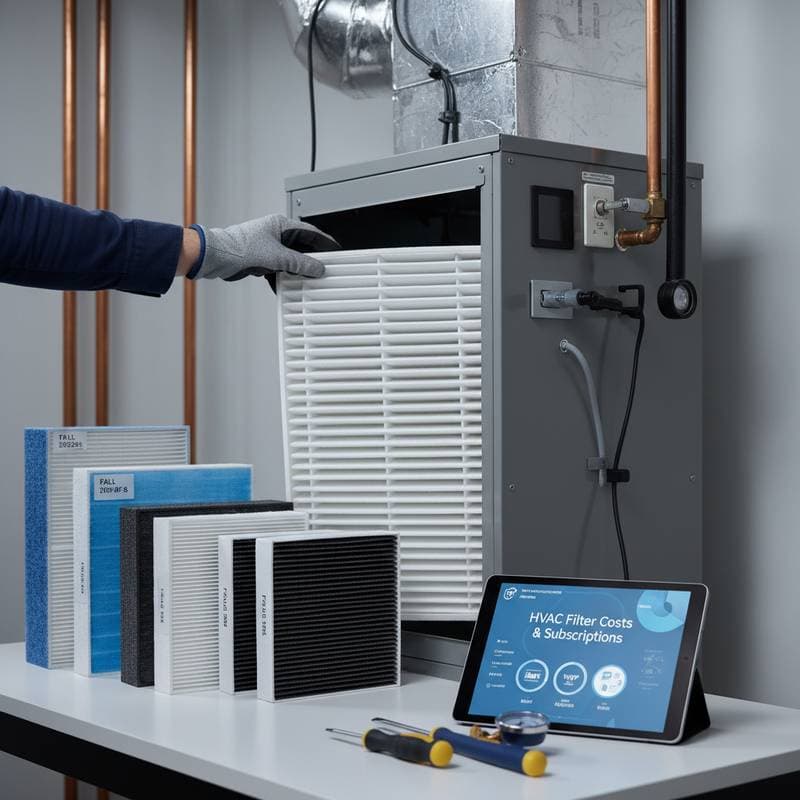
Filters divide into basic, standard, and premium categories, each with distinct capabilities and costs. Basic fiberglass options, available at major retailers, range from $5 to $10 and primarily trap larger debris like dust.
Standard pleated filters, crafted from polyester or cotton, cost $15 to $30 and offer improved particle capture alongside steady airflow. Premium high-MERV filters, ideal for allergy sufferers, span $40 to $100, while HEPA variants for specialized systems exceed $100 for superior filtration.
Eco-conscious choices include washable filters, which carry a higher initial price but allow repeated cleaning, cutting ongoing expenses over time.
Factors Shaping Filter Expenses
System dimensions, vent count, and MERV rating directly impact costs. Larger setups or those with multiple filters elevate totals, as do custom sizes. Installation complexity, such as accessing concealed slots, may incur extra labor fees.
Most replacements take less than 30 minutes, but intricate designs extend this. Material choices influence pricing: advanced synthetics and electrostatic types outpace basic fiberglass, though they endure longer and filter finer contaminants. Replacement intervals vary; pet-owning or high-traffic homes require changes every one to two months, versus three to four in cleaner environments.
Additional Services and Fees
Fall tune-ups often incorporate extras that enhance durability. Duct cleaning runs $300 to $500, while coil cleaning averages $100 per unit. Airflow assessments or seal upgrades add $50 to $100 each.
Peak-season rush services tack on $20 to $50. Emerging smart monitors, costing $50 to $150 initially, track filter status via sensors and notify users, streamlining future maintenance.
Recommended Filters for Seasonal Transitions
Select filters based on budget, health needs, or ease. Budget picks like the Filtrete Basic Dust and Lint Filter deliver essential function affordably. Balanced options, such as the Honeywell Pleated Air Filter or Aerostar MERV 11, balance price with effective pollen and dust control.
For advanced protection, Lennox Healthy Climate or Nordic Pure MERV 13 models target smoke, bacteria, and ultrafine particles. Sustainable alternatives, like the reusable K&N Lifetime Air Filter, support long-term use through cleaning. Automated deliveries from FilterBuy or AirThreds eliminate forgetfulness.
Steps to Ensure Fall-Ready Performance
Install a fresh filter before heating demands rise to optimize airflow and cut energy use by up to 15 percent, per Energy Star guidelines. This practice eases blower motor workload, potentially extending system life.
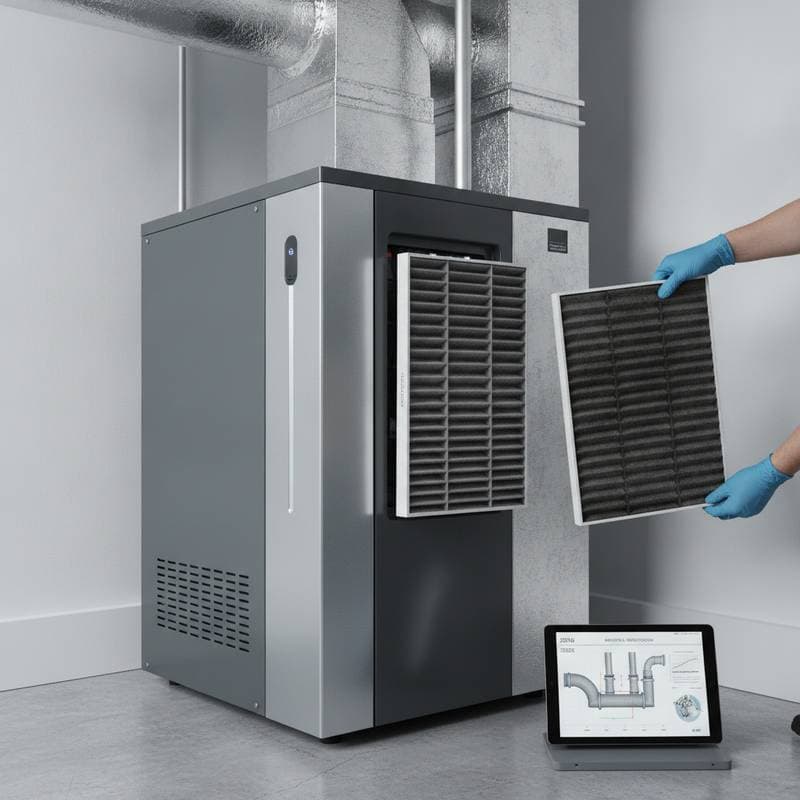
Schedule reminders via calendar or app, and reset any indicator lights post-installation. Verify the filter's directional arrows align with airflow during fitting, and secure it firmly for maximum effectiveness.
Implement Your Fall Maintenance Plan
Timely filter swaps, paired with suitable selections and service bundles, secure cost savings and reliable operation. Consistent care, from basic to high-efficiency models, preserves system health, elevates air purity, and trims utility expenses throughout winter.