Timing Fall Septic Pumping for Home Protection
Septic pumping performed at the optimal time serves as a cost-effective measure to shield homes from severe plumbing issues. Homeowners often postpone action until symptoms such as sluggish drains, unpleasant odors, or saturated ground appear, but by then, subsurface damage has progressed. Fall emerges as the prime season for this task, equipping the system to handle increased winter demands and low temperatures. Proper scheduling prolongs tank durability, averts major fixes, and maintains a secure living environment.
Reasons Fall Excels for Septic Pumping
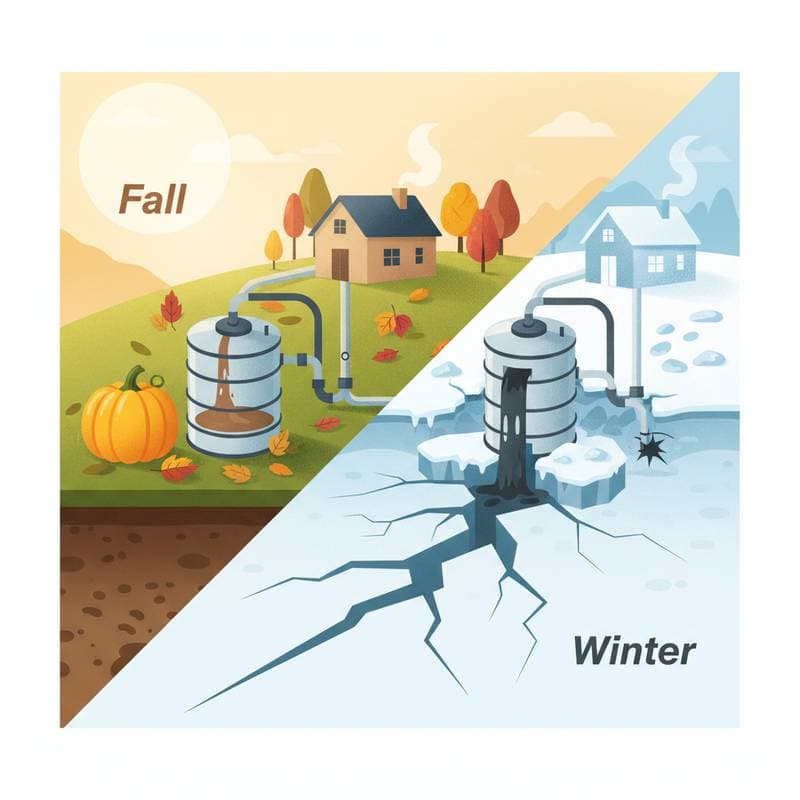
Moderate fall conditions facilitate thorough inspections and efficient pumping by professionals. Firm yet unfrozen soil simplifies access, while reduced household water use from waning outdoor routines allows the system to recover. This preparation resets the tank ahead of winter's challenges.
Frozen terrain complicates tank entry in winter, extending service duration and elevating expenses. A full tank during freezing weather risks solidified waste in lines, resulting in overflows or fractures. Fall intervention eliminates these threats and delivers reassurance during cold spells.
Consequences of Skipping Regular Pumping
Irregular septic tank emptying triggers issues that extend well past plumbing concerns. Accumulated solids overwhelm the tank and infiltrate the drain field, obstructing soil filtration. Wastewater then pools on the surface, emits odors, and pollutes aquifers.
Restoring a compromised drain field demands costs several times that of routine upkeep. Insights from home improvement communities highlight how oversight can halve a system's operational years. Fall pumping mitigates these dangers, upholds property integrity, and adheres to regional regulations.
Determining Pumping Frequency
Pumping intervals vary based on tank capacity, family size, and consumption patterns. A compact tank supporting many residents accumulates waste quicker than a spacious one for fewer occupants. Systems typically require service every three to five years, though specifics differ.
Consult maintenance logs to pinpoint your schedule. New homeowners without records should arrange an prompt evaluation. Professionals assess sludge and scum depths during visits to recommend timelines, making fall ideal for initiating or aligning this cycle in a single session.
Indicators Requiring Urgent Service
Consistent routines notwithstanding, specific cues demand accelerated attention to the septic setup. Monitor for these warnings:
- Delayed drainage across fixtures. Uniform slowdowns point to systemic overload rather than isolated clogs.
- Gurgling in plumbing. Such sounds indicate impeded flow from internal accumulations.
- Odors around the tank or field. Escaping gases and liquids signal containment failure.
- Soggy or depressed yard spots. Surface wetness above the field shows inadequate absorption.
- Overflows in basement drains. These emergencies denote full capacity or blockages.
Spot these in warmer months? Book service without delay. Postponement risks escalation as soil solidifies.
Steps to Prepare for Fall Service
Preparation streamlines the technician's efforts and shortens visit times. Implement these actions prior:
- Identify tank and lids. Check health department files if locations are unknown; flag the site for quick access.
- Clear surrounding space. Eliminate obstacles like tools, plants, or structures to accommodate machinery.
- Cut water usage pre-visit. Lower flow promotes solids settling for superior extraction.
- Explore add-on checks. Request line cameras or depth gauges to evaluate overall health.
- Verify waste handling. Confirm transport and disposal align with environmental guidelines.
These measures optimize the process and ready the system for seasonal shifts.
Financial Benefits of Proactive Maintenance
Procrastination on pumping stems from budget worries, but it amplifies future outlays. Routine care proves economical compared to crisis interventions. Expect charges of $300 to $500 per session, influenced by tank dimensions and site factors, versus $5,000 or more for field overhauls.
Industry analyses indicate consistent pumping boosts system endurance by 20 to 30 percent. Fall timing sidesteps premium winter fees tied to frost mitigation or gear adaptations, yielding sustained savings.
Homeowner Actions Between Services
Professionals handle pumping, yet daily practices bolster performance:
- Guard drain contents. Steer clear of non-toilet-paper disposals, including so-called flushables that accumulate.
- Distribute laundry. Space out cycles to prevent water surges that displace solids.
- Address drips promptly. Leaky fixtures introduce excess volume, unbalancing the tank.
- Select mild cleaners. Harsh antimicrobials harm waste-decomposing microbes.
- Reroute runoff. Ensure roof and yard drainage bypasses the septic zone.
Such routines foster equilibrium and minimize disruptions.
Selecting a Reliable Service Provider
Quality providers enhance efficiency and trustworthiness. Prioritize licensed, insured firms versed in your setup. Seek testimonials via review sites and demand clear quotes with detailed reports.
Experts document conditions, flag concerns, and suggest follow-ups. These records aid resale, financing, or coverage processes.
Year-Round Seasonal Strategies
Ongoing care adapts to weather patterns. Fall pumping anchors this approach:
- Winter: Limit interventions due to ice; insulate with vegetation to avert pipe freezes.
- Spring: Inspect post-thaw for pooling that strains absorption.
- Summer: Conserve water amid peaks; avoid heavy traffic over fields.
- Fall: Service, mend, and fortify against declines.
This framework sustains reliability across cycles.
Securing Long-Term System Health
Septic infrastructure underpins home functionality and ecological balance. Fall pumping guarantees fluid operations, curbs contamination, and trims expenditures. Embrace this practice for enduring advantages.