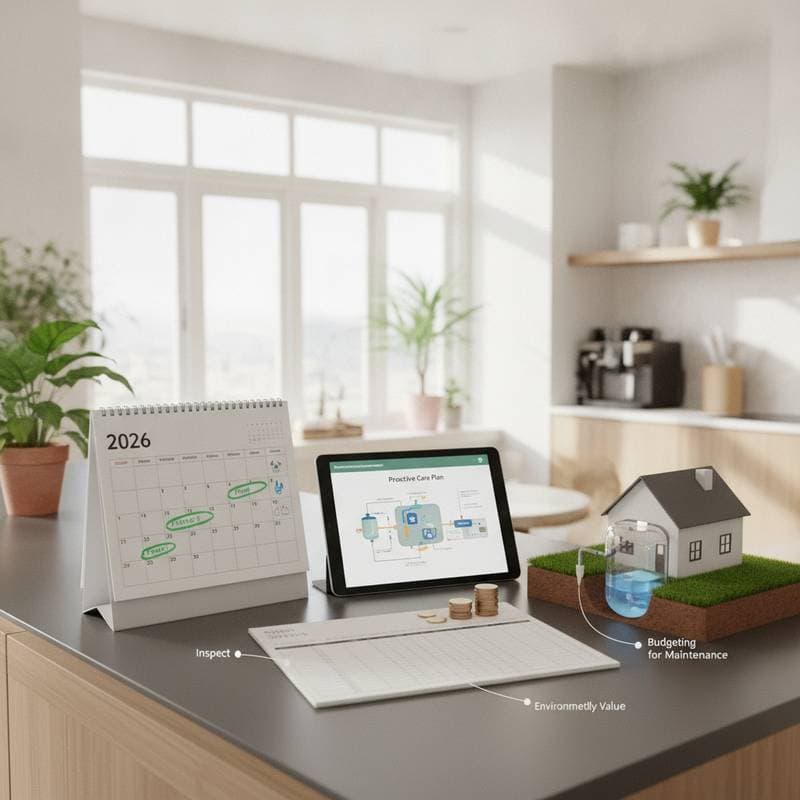
Prevent $20K Septic Repairs With This Schedule
A structured septic maintenance plan prevents expensive failures. Monthly habits, seasonal inspections, and proper cleaning extend system life and protect groundwater.
By Jenna Raines
3 min read
Loading...

Articles tagged with pumping
A structured septic maintenance plan prevents expensive failures. Monthly habits, seasonal inspections, and proper cleaning extend system life and protect groundwater.
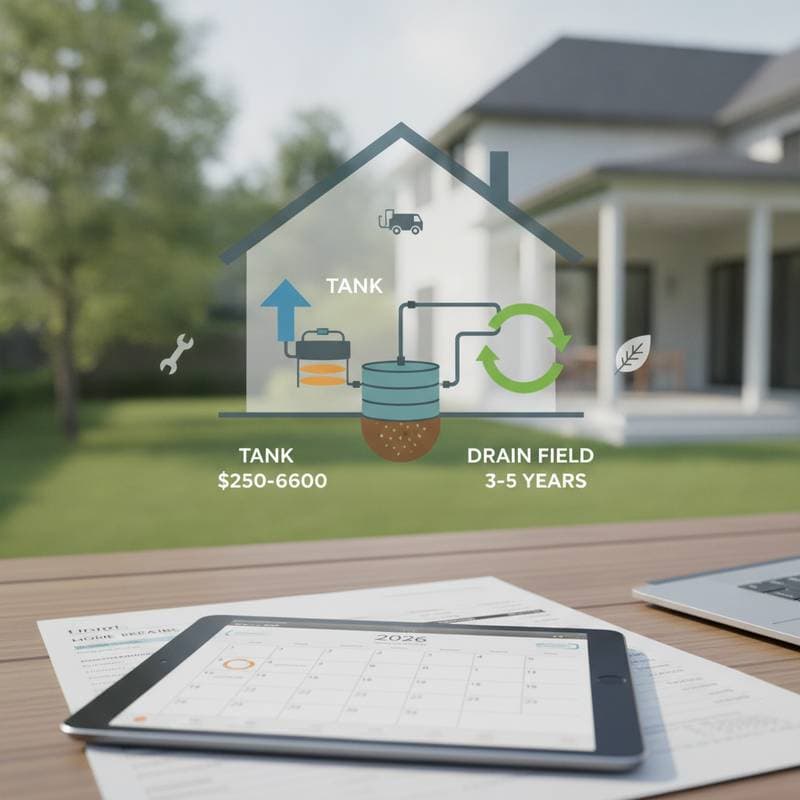
Proper septic maintenance saves thousands in repairs and extends system life. Learn recommended pumping intervals, professional and DIY costs, and preventive habits that reduce expenses by up to 30 percent.
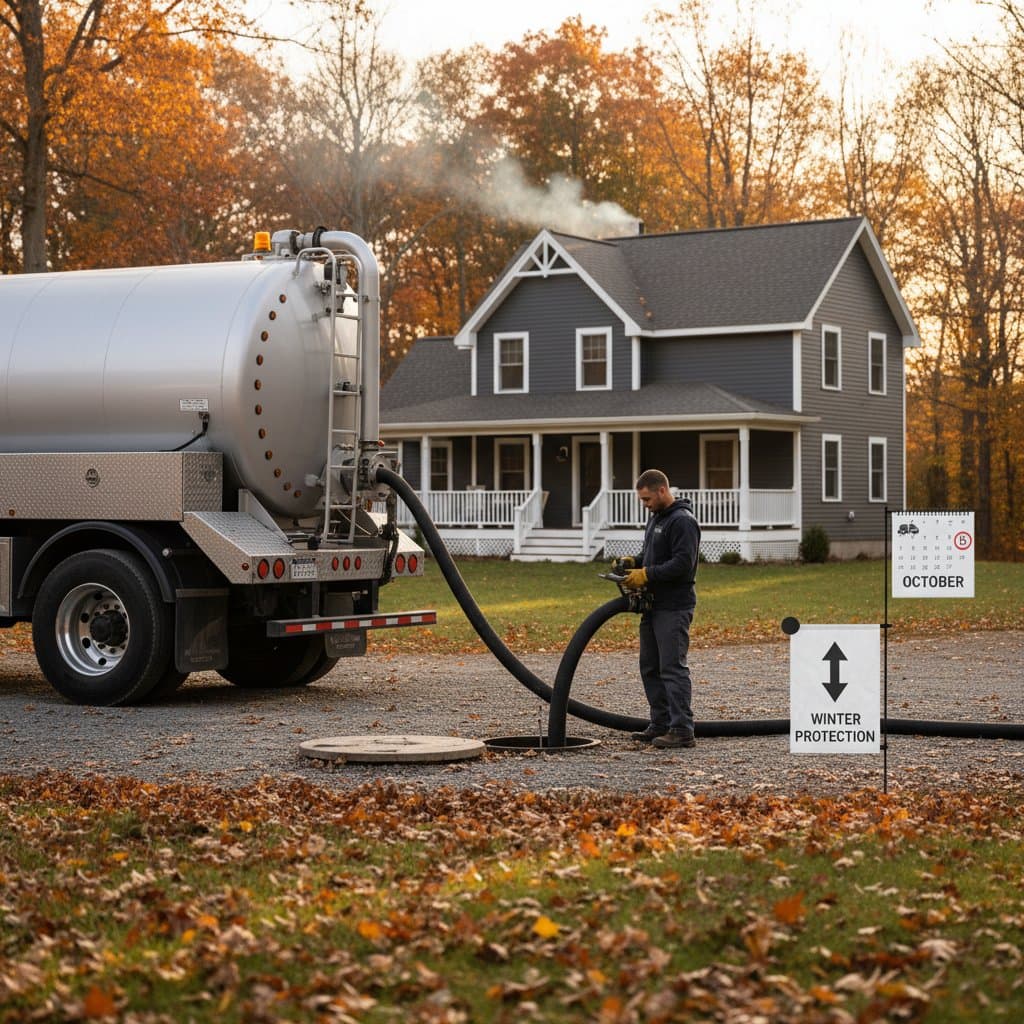
Fall emerges as the optimal season for septic pumping due to cooler weather, accessible ground, and reduced service delays. Gain insights into precise timing, associated costs, and maintenance practices that avert backups, prolong system durability, and yield financial savings. Discover strategies for inspections, early warning detection, and year-round efficiency for your home septic system.
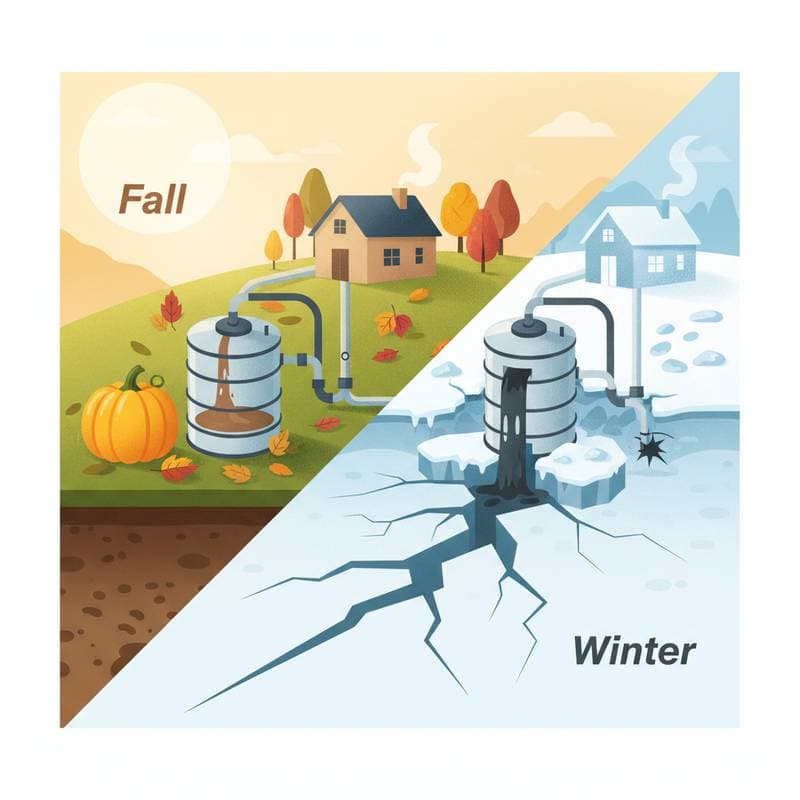
Fall septic pumping shields your home from winter hazards like frozen backups and cracked pipes, extending system longevity and cutting repair costs. This proactive step ensures smooth operation, complies with health standards, and promotes environmental safety through expert timing and maintenance practices.

Maintain your septic system effectively in 2026 with proven strategies. This guide covers monthly routines, seasonal inspections, professional services, and smart habits to prevent failures, extend lifespan, and protect your home and environment.
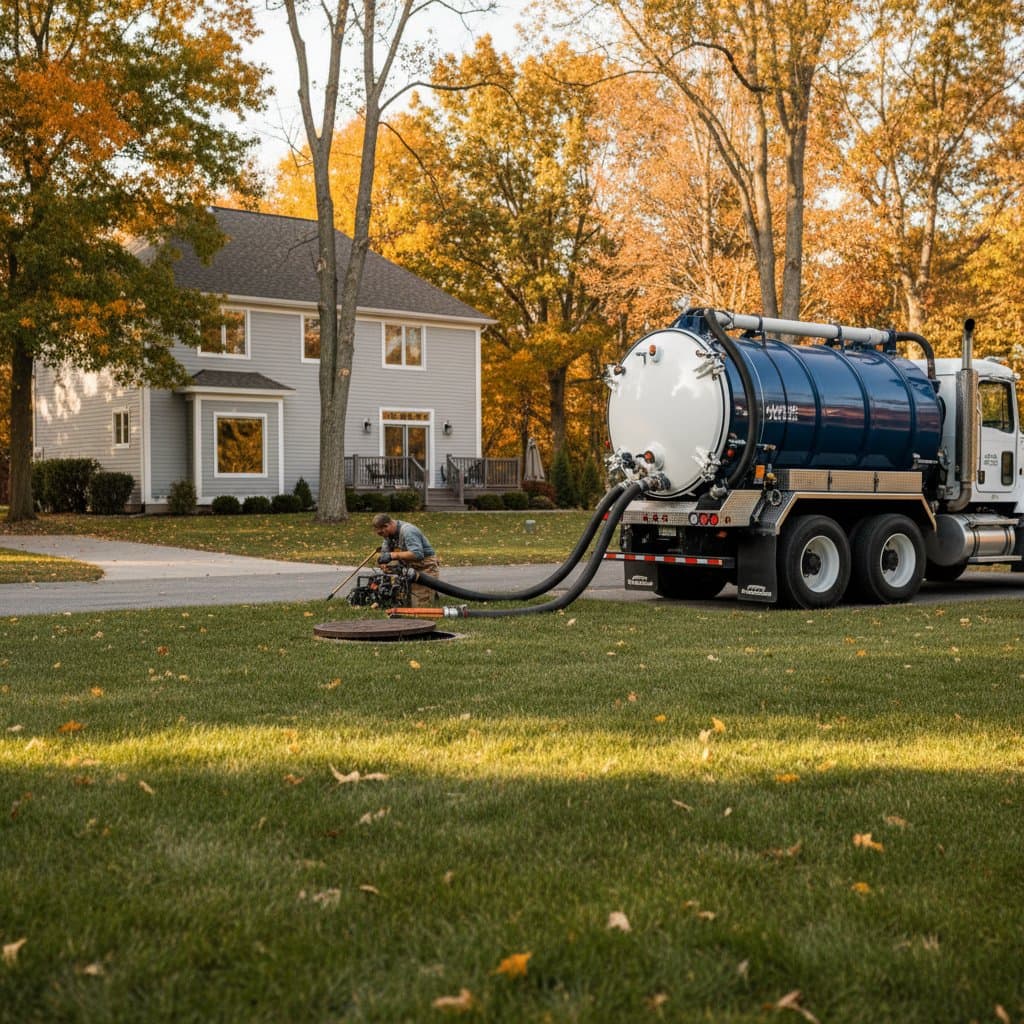
Fall is the ideal time to pump your septic system before winter complications arise. Costs typically range from $350 to $700, influenced by tank size, region, and service level. Learn how timing, maintenance frequency, and provider choice can save money, prevent damage, and keep your system running efficiently.
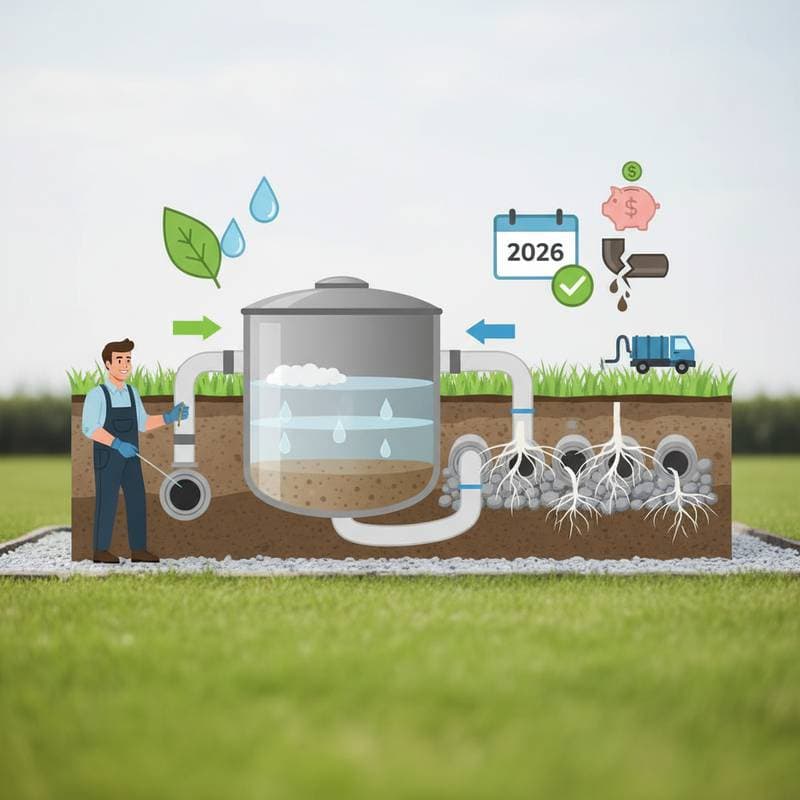
Proactive septic maintenance prevents disasters and saves thousands. Explore pumping timelines, inspection essentials, warning signs, and practical tips for year-round system health and homeowner peace of mind.
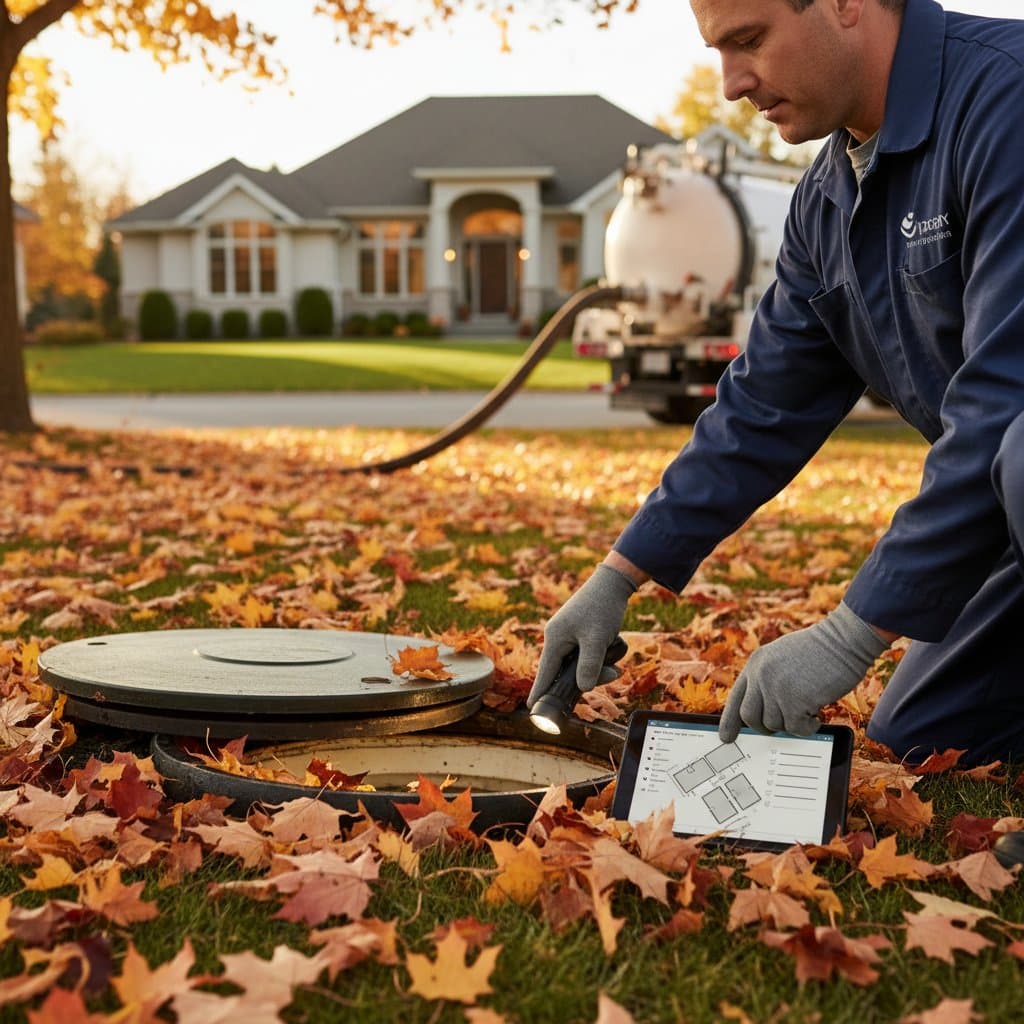
Fall provides the optimal opportunity to pump and inspect your septic system, mitigating winter-related risks. This comprehensive guide details scheduling recommendations, essential inspection elements, and pitfalls to sidestep, empowering you to maintain a reliable system, avert expensive fixes, and protect your property throughout the year.
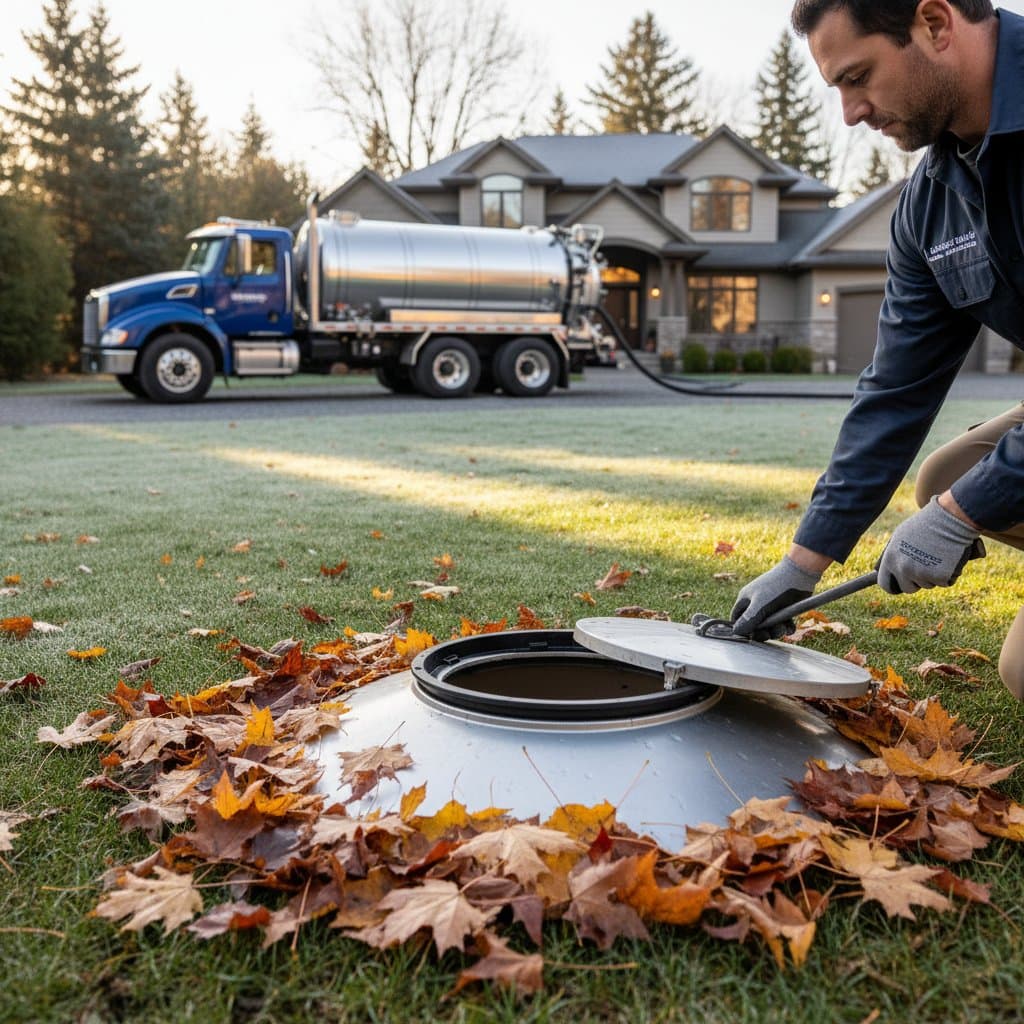
Fall stands out as the optimal season for septic pumping, offering easy access, steady costs, and preparation for winter challenges. This guide details pricing elements, service options, and planning advice to help homeowners sidestep urgent repairs, prolong system durability, and secure ongoing savings.

Maintain your septic system effectively throughout the year with straightforward quarterly practices. This guide covers managing water usage, supporting beneficial bacteria, and identifying early issues to avoid major disruptions and extend system durability.

Prevent septic system failures in 2025 through proactive maintenance. Explore cost variations, suitable pricing options, and optimal timing for inspections and pumping. Gain insights into professional recommendations, sustainable practices, and steps to safeguard your property while minimizing expenses.
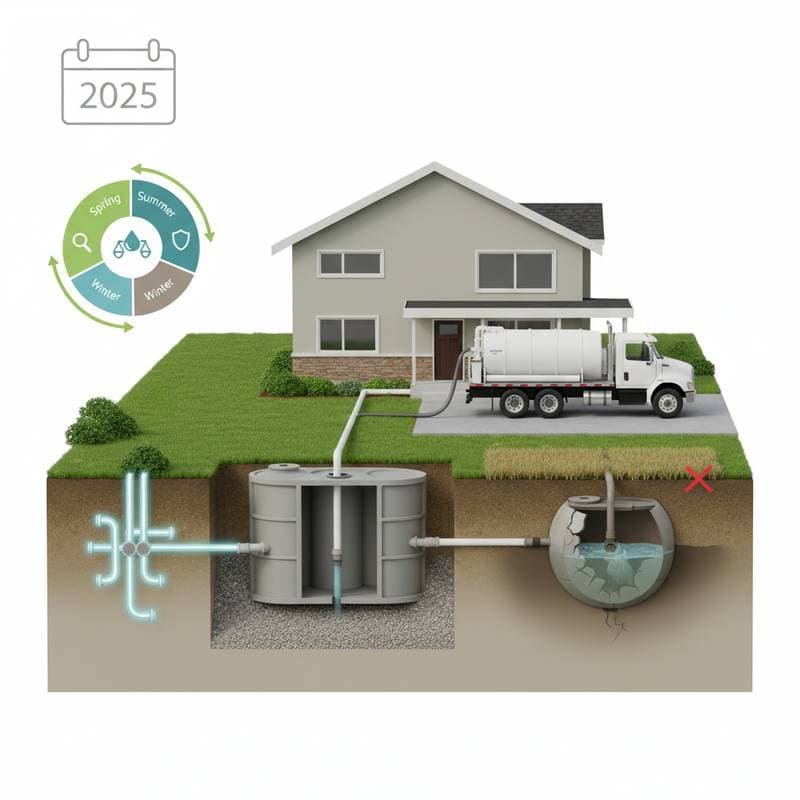
Maintain your septic system effectively in 2025 through a structured schedule of inspections, pumping, and seasonal care. Identify warning signs early, manage water usage wisely, and implement preventive measures to avoid breakdowns, save on repair costs, and safeguard your home's plumbing integrity.
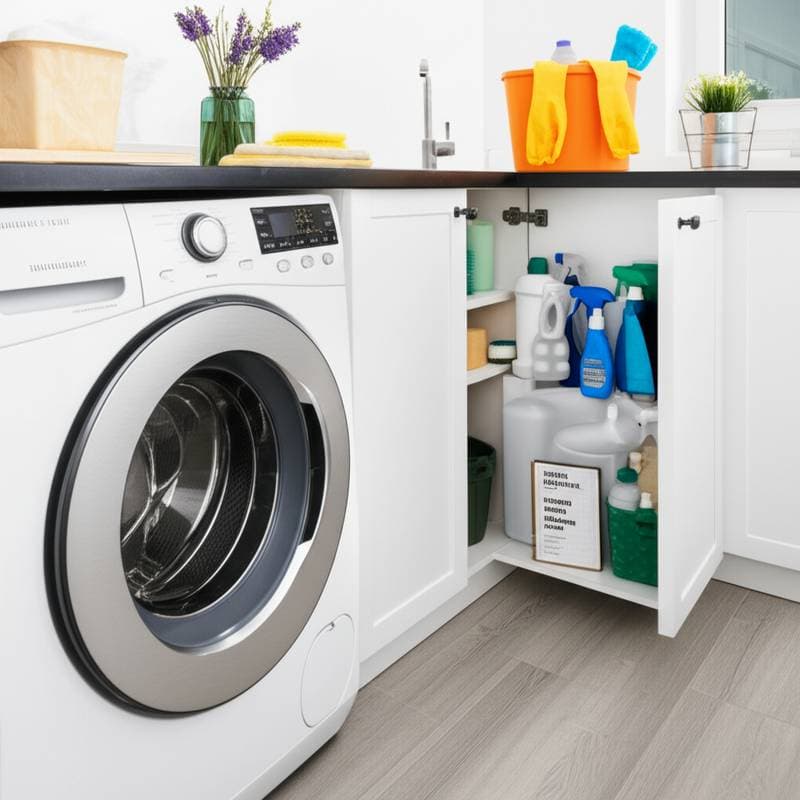
Maintain a healthy septic system with this comprehensive year-round schedule. Discover pumping timelines, inspection tips, and preventive measures to extend lifespan, protect property, and avoid expensive failures.
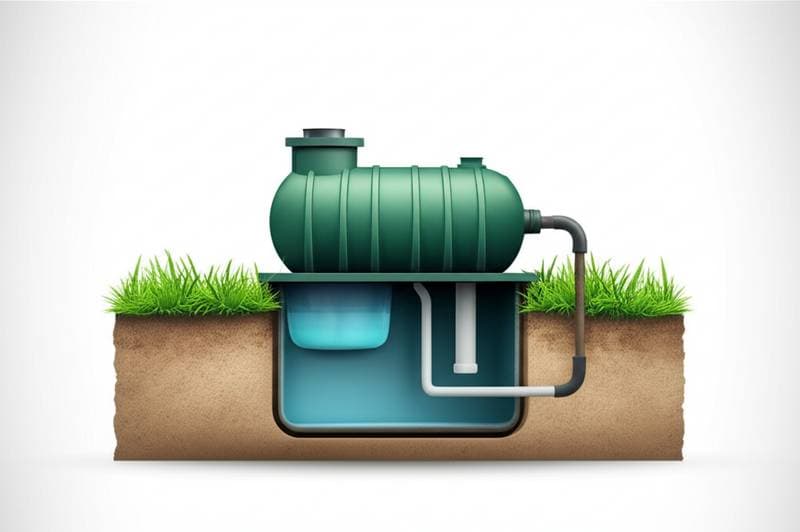
Septic failures often result from overlooked habits like irregular pumping, high water volumes, chemical overuse, and poor maintenance access. This comprehensive guide details these pitfalls, their consequences, and practical strategies—including tailored pumping intervals—to ensure your system's reliability and longevity, potentially saving thousands in repair costs.