Fall Septic Pumping: Timing to Avoid Costly Repairs
Regular septic maintenance ensures a home wastewater system operates safely, efficiently, and durably. Homeowners often neglect the impact of service timing, but the chosen season affects both expenses and performance. Fall emerges as the prime period for pumping, as it readies the system for cold weather and eliminates the need for winter crisis interventions. Grasping pricing dynamics, influencing factors, and scheduling strategies empowers homeowners to avert substantial future expenses.
Septic Pumping Cost Fundamentals
National Average Pricing Benchmarks
In most areas, septic pumping costs range from 350 to 700 dollars per session, influenced by tank size, location, and task intricacy. Systems in smaller homes approach 300 dollars, whereas larger ones accommodating multiple bathrooms or additional spaces exceed 900 dollars. Consumer reports indicate a national median of 500 dollars for typical residential services.
Regional Price Variations
Expenses vary significantly across regions. Rural zones with limited providers incur modest travel surcharges, whereas suburban and urban settings benefit from competitive rates amid abundant contractors. Northeast services average 10 to 15 percent above Midwest figures due to varying infrastructure and disposal expenses. Coastal areas face elevated costs from stringent environmental rules and groundwater safeguards.
Seasonal and Cyclical Fluctuations
Fall maintains consistent pricing. Spring sees surges from post-winter demand, and late summer bookings accelerate as preparations for cooler seasons intensify. Winter conditions like frozen soil or snow complicate access, often adding 100 to 200 dollars for digging or heating efforts. Arranging service prior to the initial freeze preserves affordability and bypasses rush fees.
Economic Factors Influencing Service Costs
Fluctuations in fuel prices, treatment facility disposal charges, and workforce availability drive septic pumping expenses. Local economies prompt providers to modify rates seasonally. Rising fuel or processing costs lead to incremental hikes, yet early reservations typically secure fixed pricing.
Pricing Models and Structures
Hourly Rates Versus Flat Fees
Providers favor flat fees for pumping, delivering upfront totals that encompass labor, disposal, and transit. Such structures provide cost certainty for standard jobs. Hourly billing applies to diagnostics or intricate evaluations, spanning 100 to 200 dollars per hour based on technician proficiency.
Per Unit or Project-Based Pricing
Certain firms bill according to tank volume, often per 1,000 gallons. A 1,500-gallon unit demands 25 to 40 percent more than a 1,000-gallon counterpart. This approach suits homeowners familiar with their system capacity, yielding straightforward project quotes.
Bundle or Package Pricing Strategies
Maintenance bundles incorporate pumping, assessments, and filter maintenance, trimming costs by 10 to 20 percent over individual bookings. Fall-oriented packages address winter preparation needs effectively. These options streamline comprehensive care at reduced rates.
Subscription Versus One-Time Service Costs
Annual subscriptions distribute costs yearly, featuring maintenance alerts and pumping every two to three years per household patterns. Plans range from 100 to 200 dollars annually. One-off services offer versatility but escalate during high-demand periods.
Service Tiers and Their Price Points
Basic or Essential Services
Essential pumping entails tank evacuation, baffle cleansing, and blockage checks. Fees span 350 to 550 dollars, suiting well-maintained systems with consistent upkeep. This baseline tier suffices for routine residential needs.
Standard or Professional Service
Professional levels add flow evaluations, sludge gauging, and filter servicing, priced at 550 to 750 dollars. Families with average consumption or aging setups benefit from this enhanced scrutiny. It aligns with periodic health checks.
Premium or Comprehensive Service
Comprehensive offerings feature thorough inspections, scum analysis, pipe jetting, and reports, costing 750 to 1,000 dollars by tank scale and details. Properties facing sales or prior malfunctions warrant this depth. It delivers exhaustive system insights.
Specialized or Bespoke Service Expenses
Custom tasks like camera scoping or root extraction supplement base fees by 150 to 400 dollars. Advanced methods such as sonar or pressure tests pinpoint concealed flaws, elevating totals to 1,200 dollars. These investments safeguard against future disruptions.
Key Variables Influencing Septic Pumping Pricing
Scope or Size of the System
Tank volume dictates expense levels. Home systems typically hold 1,000 to 2,000 gallons, with greater capacities extending pumping duration and disposal needs. Commercial or shared properties demand extra resources, potentially multiplying costs twofold or more.
Complexity and Required Skill Level
Aging or undocumented setups prolong location and access efforts. Expert operators deploy precise instruments and navigation aids, extending labor. State-certified professionals command premium rates for their specialized knowledge.
Time Required for Completion
Standard visits last one to two hours. Challenges like heavy lid removal or excavation extend durations, inflating bills. Homeowners minimize charges by ensuring lid accessibility and pre-marking tank sites.
Materials or Equipment Needed
Tools including jetting lines, vacuums, and cameras contribute to totals. Modern rigs accelerate tasks, offsetting labor while disposal remains fixed. Equipment choices balance efficiency with overall pricing.
Add-On Services and Supplemental Charges
Filter Cleaning Fees
Effluent filters block solids from drain fields. Their cleaning during pumping incurs 50 to 100 dollars, yet neglect invites clogs and major fixes. Routine attention preserves field integrity.
Drain Field Inspection Costs
Field assessments verify proper wastewater distribution, ranging 100 to 250 dollars by site extent. Prompt issue spotting averts extensive recovery efforts. This step bolsters system longevity.
Line Jetting Prices
Pressure jetting clears pipe accumulations, adding 200 to 400 dollars. Providers suggest it periodically alongside pumping for sustained performance. It targets buildup proactively.
Expedited or Priority Service Rates
Rush or immediate slots append 150 to 300 dollars. Fall timing circumvents these premiums, as providers accommodate standard requests amid milder weather.
Why Fall Is the Ideal Time for Septic Pumping
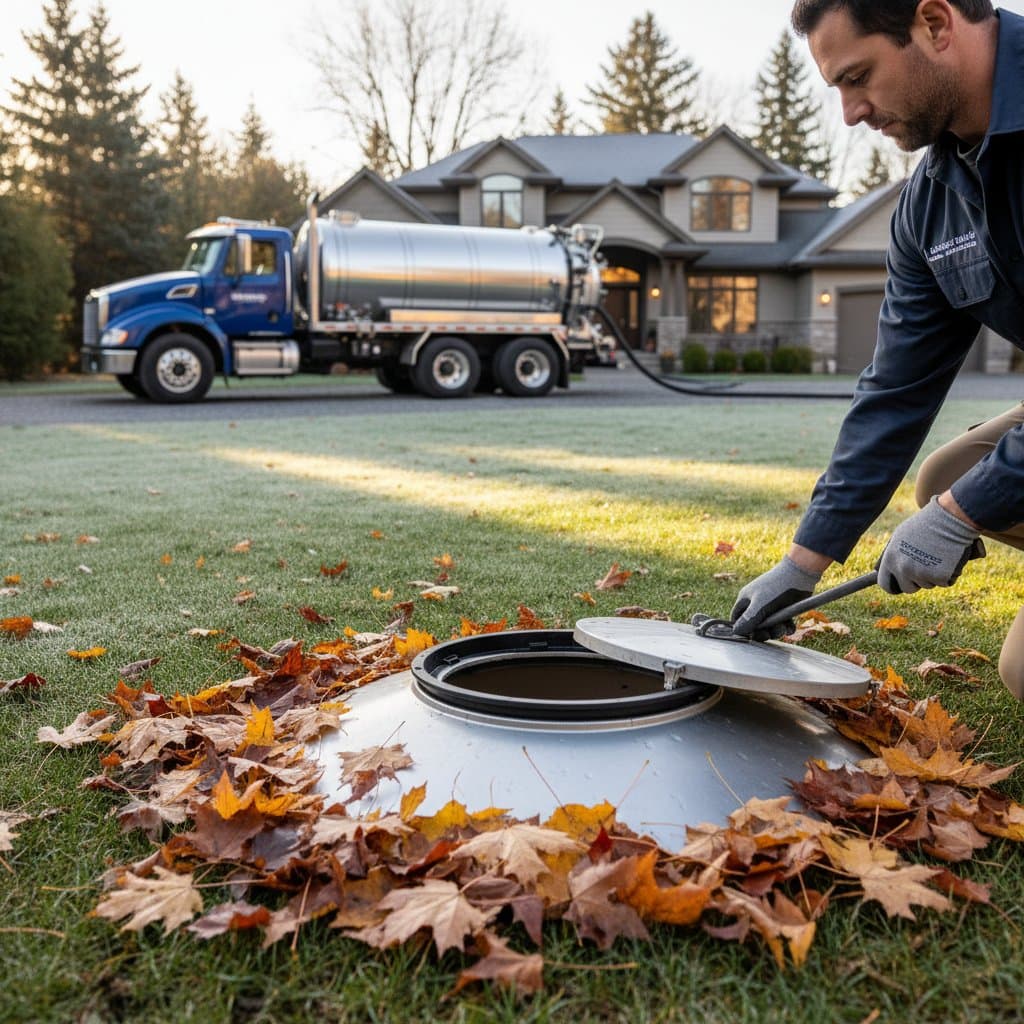
Fall offers optimal ground softness for straightforward digging and temperate conditions for pinpointing drainage lags or scents unhindered by ice. It mitigates winter backup risks, where rigid pipes complicate fixes and escalate bills. Leading firms report over 40 percent of winter urgencies trace to skipped fall care.
Fall pumping clears solids prone to solidifying in freezes, sustaining flow reliability. Seasonal homes gain from pre-inactivity cleansing, preventing stagnation issues. This proactive step fortifies against cold-season vulnerabilities.
Choosing a Reliable Service Provider
Verify provider credentials including licenses, bonds, and insurance to uphold safety norms. Certified staff adhere to regulations and supply record-keeping for compliance. Insist on detailed written quotes covering labor, disposal, and extras to eliminate billing shocks.
National entities like Roto-Rooter provide clear pricing and alerts, while local operators deliver tailored service and adaptable timetables. Compare options based on reputation and responsiveness for best outcomes.
Schedule Your Fall Service Now
Fall pumping safeguards sanitation infrastructure and finances alike. Delaying to winter invites access hurdles, scarce slots, and inflated crisis pricing. Mastery of costs, models, and tiers enables assured planning.
Maintain logs, designate access routes, and reserve promptly each autumn for seamless yearly function. This routine investment yields enduring reliability and economy.