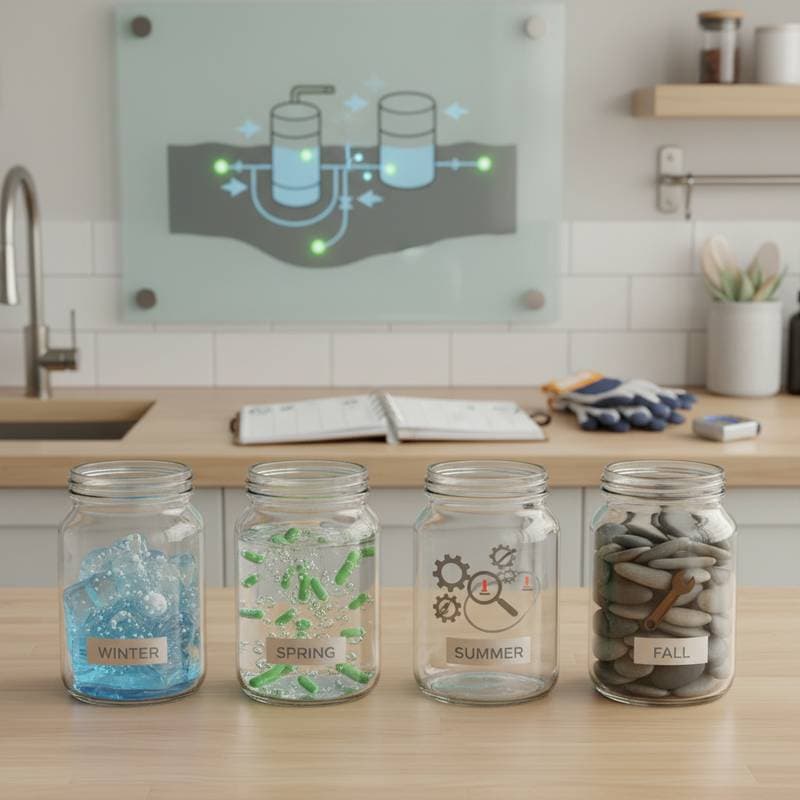
Quarterly Habits to Maintain Your Septic System
A reliable septic system supports essential household functions without drawing much attention. Failures lead to significant expenses, discomfort, and interruptions. While professional pumping forms a key part of upkeep, quarterly routines provide the foundation for sustained performance. Homeowners who adopt these practices minimize risks and ensure smooth operation.
How Your Septic System Functions
The septic tank receives wastewater from household sources such as toilets, sinks, showers, and washing machines. Heavy solids settle into sludge at the bottom. Lighter substances, including fats and oils, form a scum layer on top. Clear effluent in the middle exits to the drain field, where soil naturally filters it before it reaches groundwater.
Disruptions in this balance cause backups, foul smells, or complete breakdowns. Overaccumulation of solids restricts effluent flow and harms bacterial activity. Quarterly inspections and adjustments preserve this equilibrium, allowing the system to process waste efficiently.
The Importance of Quarterly Maintenance
Homeowners often view septic care as an infrequent obligation. Pumping occurs every few years, yet quarterly steps address emerging problems proactively. These actions sustain bacterial populations, prevent blockages, and prolong overall system life. Early detection of issues keeps repairs affordable and straightforward.
Approach quarterly care as routine health checks for your septic infrastructure. Monitor components like inlet pipes, the tank interior, and the drain field to catch imbalances before they worsen.
Establishing a Pumping Schedule for Optimal Performance
Quarterly habits complement but do not replace pumping, which removes accumulated solids. Determine frequency based on tank capacity, household size, and daily water consumption. Standard recommendations suggest pumping every three to five years for average households, with more frequent service for larger families or high-usage homes.
Engage a septic professional to assess sludge and scum depths during routine visits. This evaluation guides personalized scheduling. Proactive pumping maintains efficiency, reduces environmental impact, and avoids sudden failures.
Typical Costs: Expect to pay between $300 and $600 for professional pumping services. Fees increase for oversized tanks or hard-to-reach locations. Certified providers handle waste disposal responsibly and perform thorough inspections to identify wear or damage.
Addressing Common Septic Challenges
Despite diligent care, minor issues may develop. Prompt recognition and response limit escalation.
Handling Slow Drains and Gurgling Noises
These indicators signal partial obstructions before full backups occur. Apply an enzyme-based cleaner designed for septic systems to dissolve organic buildup without harming bacteria. If drains remain sluggish after treatment, arrange for a technician to examine pipes and the tank for deeper blockages.
Managing Odors Around the Tank or Drain Field
Unpleasant smells indicate escaping gases from cracks, vent problems, or overfull conditions. Inspect roof vents for debris such as leaves, bird nests, or ice buildup that blocks airflow. Persistent odors require professional evaluation to check for leaks or excessive solids.
Resolving Wet Areas in the Yard
Puddles or soggy patches over the drain field point to saturated soil or a clogged effluent filter. Reduce household water usage right away to ease system strain. Contact a service expert promptly, as untreated saturation risks surface pooling of wastewater and potential contamination.
Strategies to Prolong Septic System Durability
Proper management allows a septic system to operate effectively for 20 to 30 years or longer. Focus on balanced usage, field protection, and bacterial support. Implement these measures to enhance resilience.
Key Recommendations for Extended Service:
- Upgrade to low-flow toilets, faucets, and showerheads to cut water volume by up to 50 percent.
- Schedule laundry and dishwashing loads across days rather than concentrating them, allowing the tank time to process waste.
- Maintain a 20-foot buffer zone around the drain field, free of trees, shrubs, or deep-rooted plants that could invade pipes.
Avoid introducing harsh chemicals or excessive additives into the system, as they disrupt microbial balance. Professionals advise against routine use of bacterial boosters unless testing shows a deficiency. Insights from experienced homeowners emphasize that consistent monitoring prevents 80 percent of failures linked to poor habits.
Building a Sustainable Maintenance Routine
Integrate water tracking, sign vigilance, and scheduled professional inspections into your calendar. These efforts yield reliable operation, preserve property integrity, and protect local water resources. Homeowners gain confidence in a system that performs without interruption, supporting daily life seamlessly.