Fall Septic Pumping: When to Schedule and What It Costs
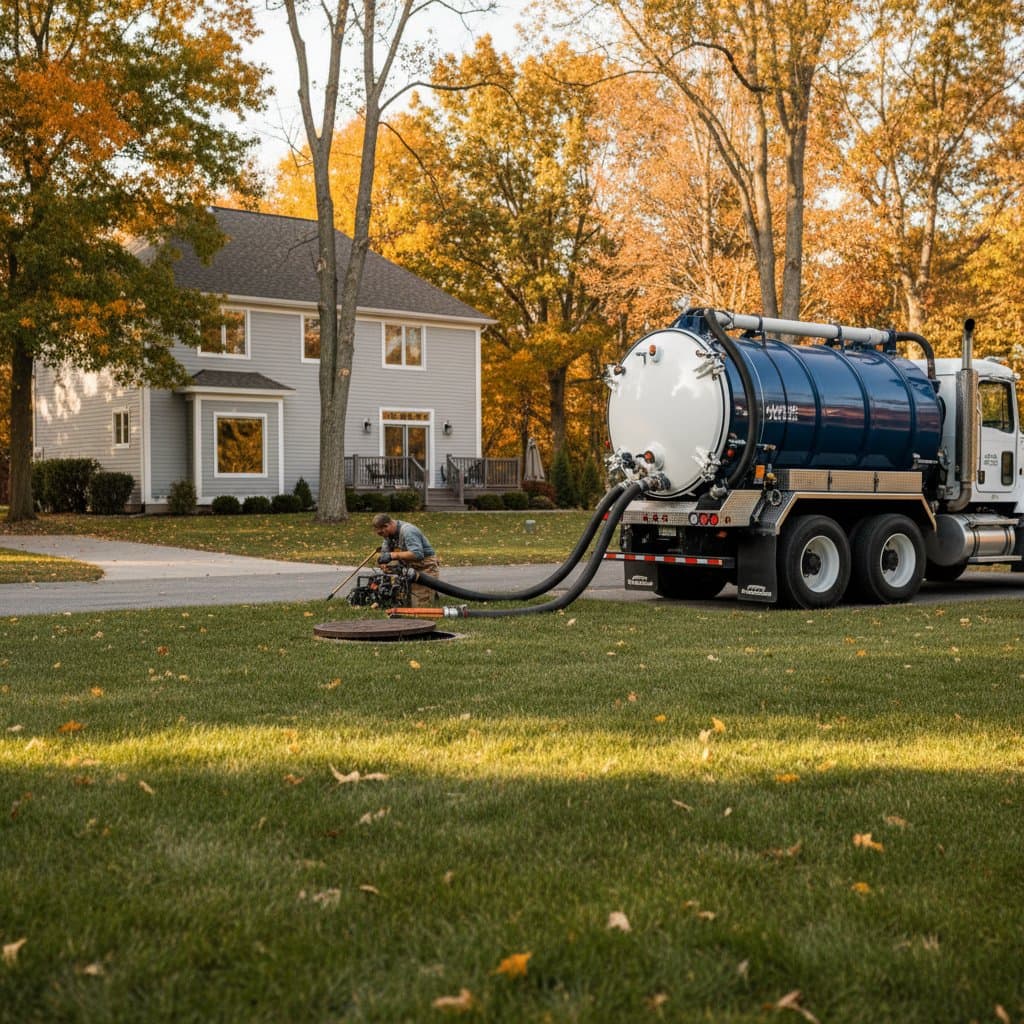
A septic system quietly handles one of the most important household tasks, managing wastewater safely and efficiently. Keeping it healthy requires regular maintenance, and one of the most critical steps is septic tank pumping. Many homeowners plan this work in the fall because the weather is mild, the ground is accessible, and it prevents overflow issues during winter. Knowing when to pump and how much to budget can prevent costly repairs and ensure your system runs properly.
Pricing Models and Structures
Hourly Rates Versus Flat Fees
Most septic professionals charge a flat fee based on tank size rather than hourly labor. This model helps homeowners understand costs upfront. Typical hourly labor rates for septic work range from 75 to 150 dollars if billed separately, usually when extra excavation or repair is required.
Per Unit or Project-Based Pricing Models
A project-based model is common for complete pumping services, where the provider includes inspection, pumping, and disposal. These packages often range from 350 to 800 dollars depending on size and complexity. Some companies price by the gallon, averaging around 0.30 to 0.50 dollars per gallon of waste removed.
Bundle or Package Pricing Strategies
Many providers offer bundles that include pumping, system inspection, and filter cleaning. Bundled services can save 10 to 20 percent compared to separate visits. For example, a combined pumping and inspection package might cost 600 dollars instead of 700 if booked individually.
Subscription Versus One-Time Service Costs
A growing number of septic maintenance companies now offer subscription plans. These plans schedule automatic service every two or three years, often at a discounted rate. A subscription might cost about 200 dollars annually, including routine checks and priority scheduling. One-time services remain popular for homeowners who prefer flexibility but may pay higher per-visit rates.
Service Tiers and Their Price Points
Basic or Essential Services
A basic pumping service includes waste removal from the tank and disposal at a treatment facility. This option typically covers tanks up to 1,000 gallons and costs between 350 and 500 dollars. Basic service is ideal for systems that receive regular maintenance and show no clogging or overflow issues.
Standard or Professional Service
Standard services include tank pumping, baffle cleaning, and a basic inspection of the inlet and outlet lines. This level typically ranges from 450 to 650 dollars. It fits most residential systems and helps detect early warning signs like slow drainage or sludge buildup.
Premium or Comprehensive Service Rates
Premium packages include camera inspections, filter replacements, and full system diagnostics. These services can range from 700 to 1,200 dollars, depending on system complexity. Many homeowners with older systems or large properties choose this tier for extra assurance.
Specialized or Bespoke Service Expenses
Custom or emergency services, such as same-day pumping or excavation for buried lids, can cost 1,000 dollars or more. Some rural areas add travel surcharges if the property is far from the disposal facility. Providers often explain these charges during initial consultation to avoid surprises.
Key Variables Influencing Septic Pumping Pricing
Scope or Size of the Project
Tank capacity is the main cost driver. A 750-gallon tank might cost 300 dollars to pump, while a 2,000-gallon unit can exceed 800 dollars. Homes with more residents fill tanks faster, increasing both frequency and cost.
Complexity and Required Skill Level
Older or damaged systems require more expertise. If the access lid is buried or difficult to locate, excavation adds labor time. Sludge buildup may need specialized equipment like jetting systems, which raise the final bill.
Time Required for Completion
Most pumping jobs take one to two hours. Complex systems with multiple compartments can take longer, adding costs if charged hourly. Booking during normal business hours helps avoid overtime fees.
Materials or Equipment Needed
Hose extensions, camera inspections, or chemical treatments can influence pricing. Some companies include these in the base price, while others itemize them depending on the job’s needs.
Add-On Services and Supplemental Charges
Inspection Fees
A septic inspection during pumping typically adds 100 to 300 dollars, depending on the level of assessment. Licensed inspectors check tank integrity, filter condition, and drainage performance. Many homeowners schedule inspections during fall to prepare for seasonal use changes.
Filter Cleaning or Replacement Costs
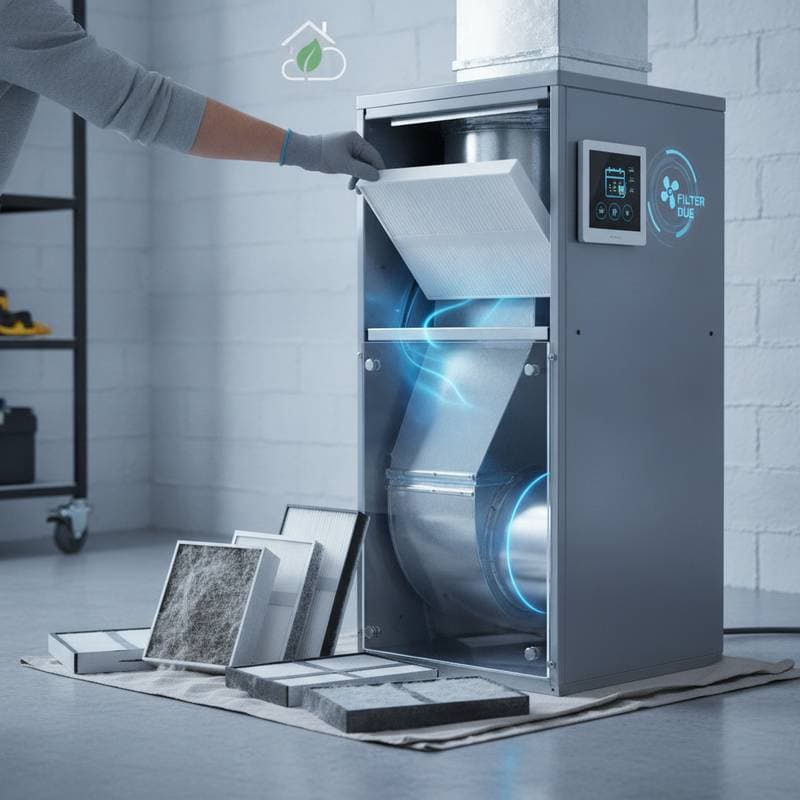
Effluent filters prevent solids from entering the drain field. Cleaning usually costs 75 to 150 dollars, while a full replacement can reach 200 dollars. Neglecting this step can shorten drain field lifespan, leading to expensive repairs.
Line Jetting Prices
Line jetting uses high-pressure water to clear blockages in pipes leading to or from the tank. This add-on costs between 200 and 400 dollars and is recommended if backups or slow drains occur. Some companies include light jetting in premium packages.
Expedited or Priority Service Rates
Emergency or same-day pumping can add 100 to 250 dollars in service fees. Scheduling early in the season helps avoid rush charges and ensures technician availability before heavy demand peaks.
Timing Your Fall Pumping Schedule
Most septic systems need pumping every three to five years, depending on household size and usage. Fall is often the best time to book service because the weather is stable and technicians can easily locate tank lids. Pumping before winter prevents frozen ground from delaying service and protects the system from overflow during cold months.
Experts from The National Onsite Wastewater Recycling Association recommend scheduling during dry ground conditions to avoid equipment damage and access issues. Homeowners should plan ahead, as many providers fill their schedules quickly during fall.
Choosing the Right Provider
When selecting a septic contractor, verify licensing, insurance, and disposal permits. Reputable companies provide transparent estimates and explain what is included in the service. Ask if disposal fees, inspections, or travel costs are part of the quoted price. Reading local reviews and confirming experience with your tank type helps ensure quality results.
Consumer groups advise avoiding unusually low quotes, as they may exclude disposal or inspection fees. A clear written estimate prevents misunderstandings about what will be done and what it will cost.