Summer HVAC Maintenance Checklist
- Inspect and replace air filters monthly.
- Clean the outdoor condenser unit and maintain clearance.
- Check evaporator coils and clear the condensate drain.
- Verify thermostat accuracy and consider upgrades.
- Seal duct leaks and add insulation where needed.
- Schedule a professional tune up before peak season.
When summer heat arrives the HVAC system plays a central role in home comfort. Proper care reduces energy consumption and lowers the risk of sudden failures. A steady maintenance routine addresses common problems before they grow expensive.
Inspect and Replace Air Filters
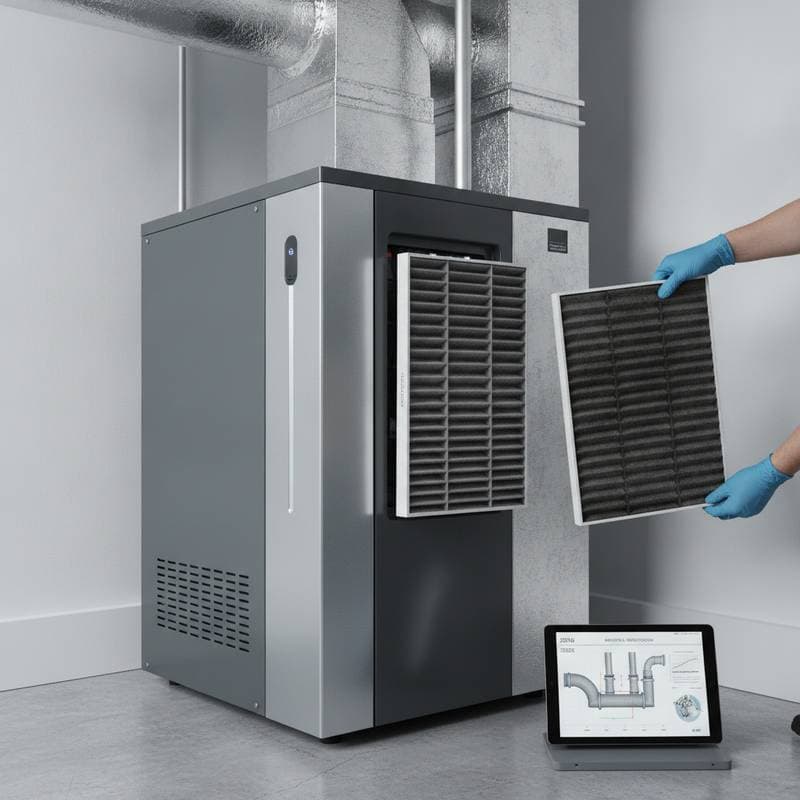
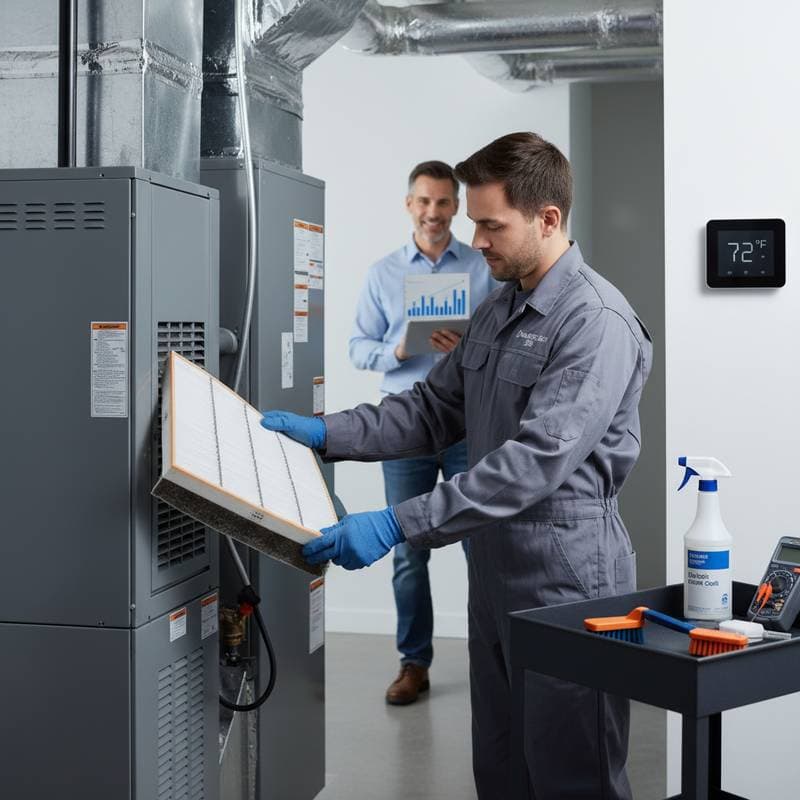
Air filters trap dust and particles that otherwise circulate through the house. A blocked filter forces the blower to work harder and raises electricity use. Check filters once a month during heavy operation by holding them to a light source. Replace any filter that light cannot pass through. Select a filter that matches the system rating and change it every one to three months based on household conditions.
Clean the Condenser Unit
The outdoor unit gathers leaves, grass, and dirt that restrict airflow across the coils. Reduced airflow lowers cooling output and increases compressor effort. Disconnect power at the unit before cleaning. Remove loose debris from the fan grill with a soft brush or vacuum. Straighten bent fins with a fin comb and keep two feet of open space around the cabinet by trimming nearby plants.
Check the Evaporator Coil and Drain Line
Indoor evaporator coils collect dust that interferes with heat transfer. When buildup becomes heavy, cooling performance drops. Use a no rinse coil cleaner if comfortable with the task, or call a technician for the job. The condensate drain carries away moisture produced during cooling. Flush the line every few months with white vinegar to prevent algae clogs that can cause water leaks.
Test the Thermostat for Accuracy
An inaccurate thermostat can run the system longer than necessary. Set the control a few degrees below room temperature and confirm the equipment responds promptly. Replace weak batteries and inspect wiring if the unit fails to engage. A programmable model can reduce cooling costs by learning daily patterns and allowing remote adjustments through a phone app.
Examine Ductwork for Leaks
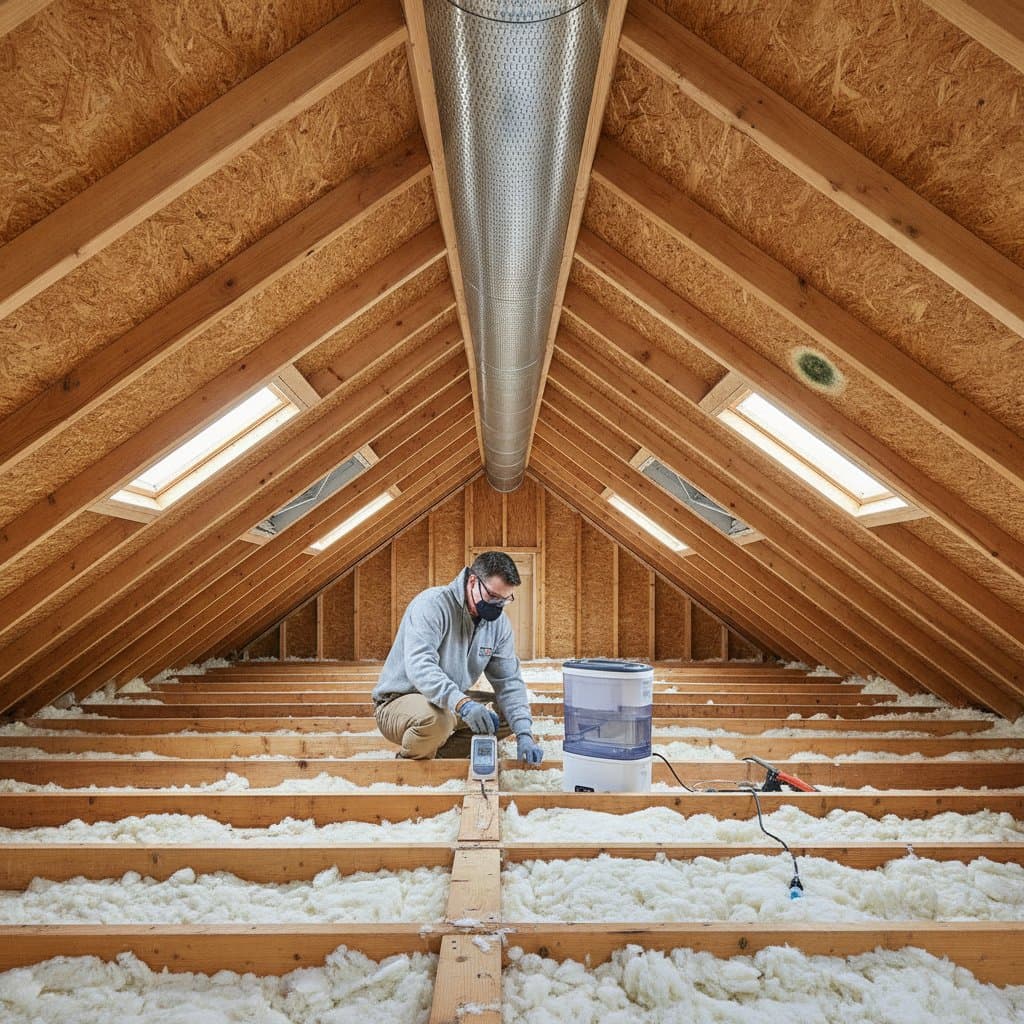
Gaps in duct joints allow cooled air to escape into attics or crawl spaces. Locate accessible ducts and seal small openings with mastic or foil backed tape. Standard cloth tape loses adhesion in warm conditions. Add insulation to any duct sections that run through unconditioned areas to keep supply air at the intended temperature.
Schedule a Professional Tune Up
Annual service by a qualified technician covers refrigerant levels, electrical components, and safety controls that homeowners cannot check safely. A pre season inspection catches wear before it leads to mid summer breakdowns. Preventive visits cost less than emergency repairs and help the equipment reach its expected service life.
Monitor Airflow and Room Balance
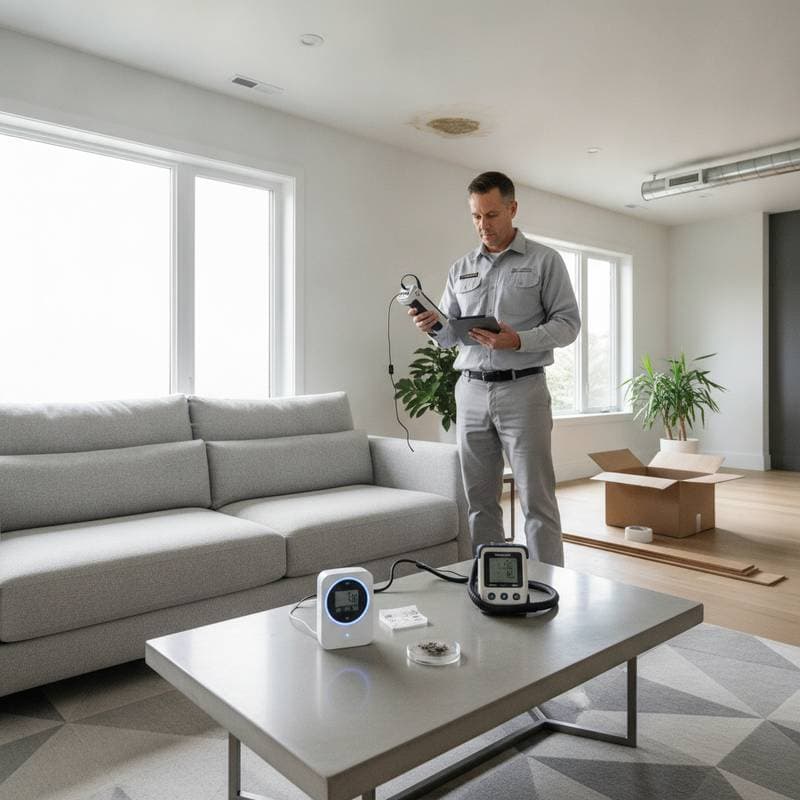
Uneven temperatures often trace to closed vents, dirty fan blades, or duct restrictions. Walk through each room and confirm supply and return grilles remain unobstructed. Use a tissue held near each vent to compare airflow strength. Persistent differences may require damper adjustments or a technician visit to measure system pressure.
Energy Saving Habits for Peak Cooling
Raise the thermostat setting by one degree to cut cooling expenses by several percent. Close blinds on south and west windows during the hottest hours. Run ceiling fans to help occupants feel cooler without lowering the thermostat further. When away for several days, switch to a higher vacation setting or enable the smart thermostat away mode.