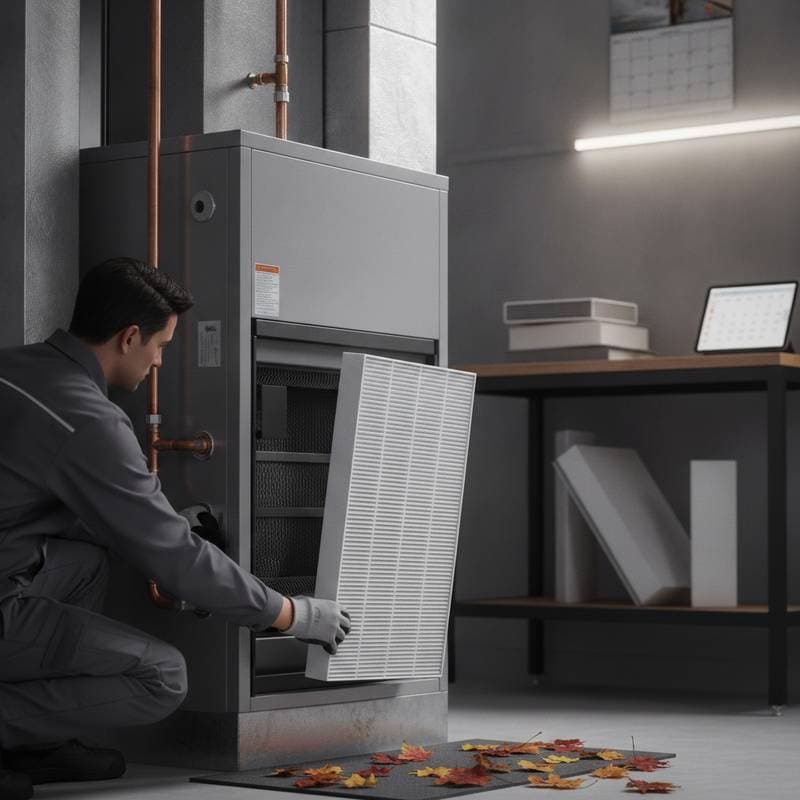
Fall HVAC Filter Changes for Optimal System Performance
When temperatures begin to drop and heating systems start running again, homeowners benefit from changing the HVAC filter. A clean filter maintains high air quality, protects system components, and supports energy efficiency. Fall provides the ideal window to replace filters before the heating season begins.
HVAC Filter Cost Fundamentals
Filter costs vary by size, material, and filtration level. Standard fiberglass filters range from five to fifteen dollars per unit. Pleated filters cost fifteen to forty dollars. High-efficiency or HEPA-grade filters range from forty to one hundred dollars or more.
Homeowners spend one hundred to two hundred dollars annually on replacement filters for a typical system. Regional pricing differences arise from supply costs, brand availability, and local standards. Urban areas often carry slightly higher prices due to demand and markups.
Prices can increase in fall and early spring as demand rises. Raw material costs and shipping fees also affect trends throughout the year.
Pricing Models and Service Structures
Filters sell primarily per unit. Bulk packages of three or six filters reduce per-unit costs by ten to twenty percent. Subscription models from retailers and service companies deliver filters on schedule for a monthly or quarterly fee.
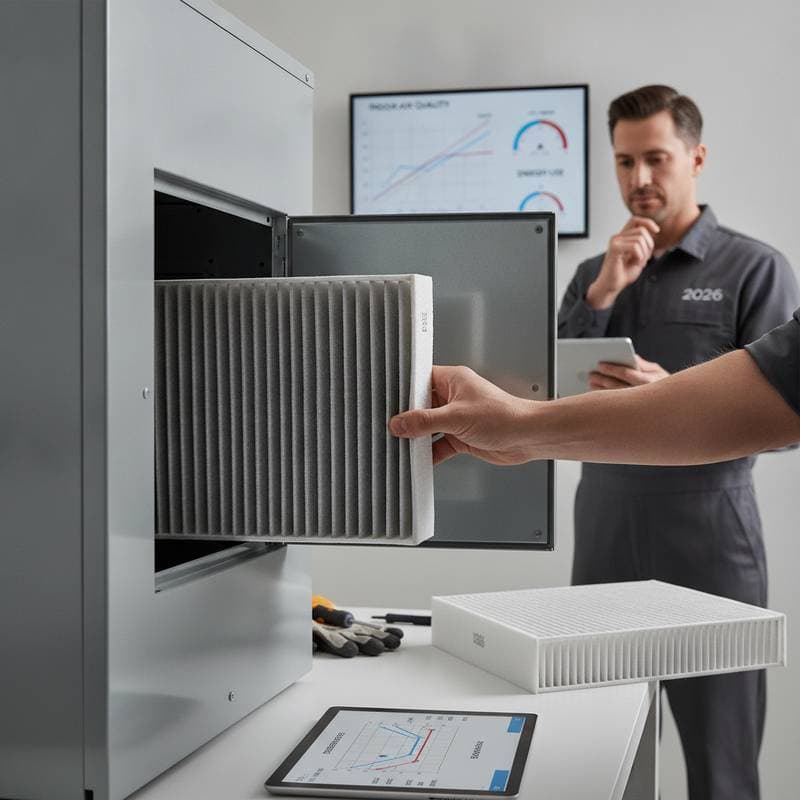
Service providers charge a flat rate of eighty to one hundred fifty dollars per visit or an hourly rate of seventy-five to one hundred dollars for inspection and replacement.
Service Tiers and Price Points
Filter replacement forms part of broader maintenance packages.
- Basic service covers filter replacement, visual inspection, and airflow check at seventy-five to one hundred dollars per visit.
- Standard service adds coil cleaning, duct checks, and thermostat calibration at one hundred fifty to two hundred dollars.
- Premium service includes advanced diagnostics, full cleaning, and efficiency testing at two hundred fifty to four hundred dollars.
- Specialized plans for allergy-sensitive homes or high-efficiency systems exceed four hundred dollars.
Variables That Affect Pricing
Several factors determine final costs.
- System size and type determine filter dimensions and quantity.
- Efficiency rating, measured by MERV, raises cost as filtration improves. Residential systems commonly use MERV 8 to 12.
- Replacement frequency increases annual expense in homes with pets or high dust levels.
- Labor time rises when filters sit in hard-to-reach locations.
- Brand and warranty options add upfront cost while supporting long-term reliability.
Supplemental Services and Charges
Additional services may appear on maintenance invoices.
- Duct cleaning costs three hundred to six hundred dollars based on home size.
- Indoor air quality testing ranges from one hundred to two hundred dollars.
- Thermostat calibration adds fifty to one hundred dollars.
- Expedited service increases total cost by twenty to fifty percent.
Homeowners should confirm all charges before work begins.
Filter Types for Fall Conditions
Filter selection matches household needs.
- Fiberglass filters offer basic equipment protection at low cost and suit homes without pets or allergies.
- Pleated filters capture dust and pollen while preserving airflow and work well for most households.
- Electrostatic filters attract particles through static charge and can be washed for repeated use.
- HEPA filters remove up to 99 percent of particles yet require systems designed for higher airflow resistance.
- Activated carbon filters reduce odors and gases, often paired with HEPA media.
Pleated and electrostatic filters provide strong value for fall maintenance. They manage seasonal debris while supporting steady heating performance.
Recommended Replacement Schedule
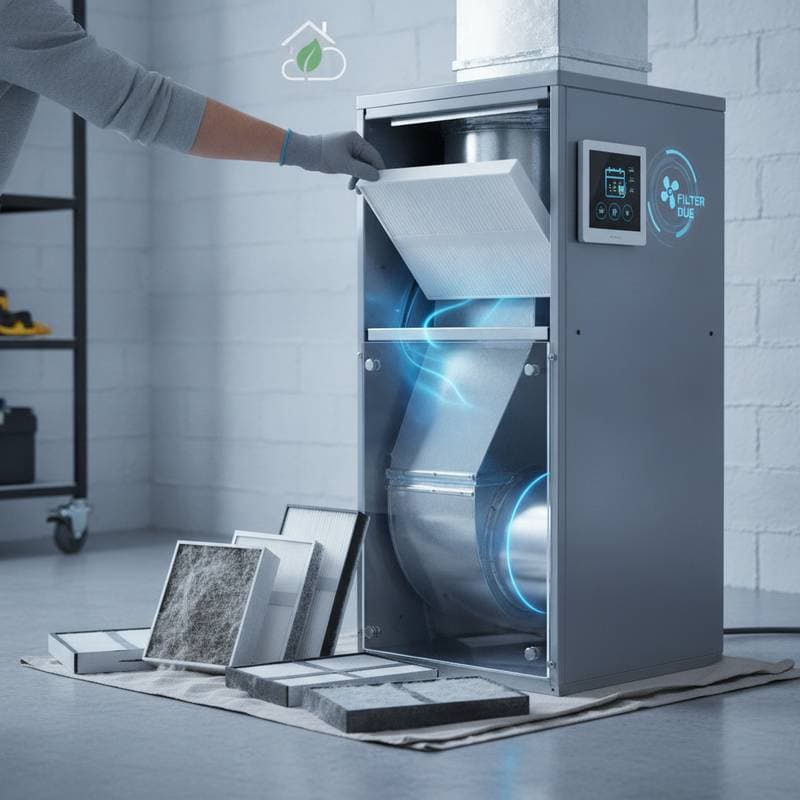
Replace filters before activating the heating system to prevent summer dust from circulating. Homes with pets or smokers benefit from changes every one to two months. Technicians advise setting calendar reminders to avoid clogs that reduce efficiency by up to fifteen percent.
Seasonal Maintenance Benefits
Regular filter changes protect comfort and equipment life. Homeowners who combine filter replacement with professional service typically experience lower utility bills and fewer winter repairs.