Plan Your HVAC Filter Changes for Cleaner Air
Regular HVAC filter maintenance forms the foundation of good indoor air quality. Homeowners who follow a consistent schedule notice fewer allergens and better system performance throughout the year. This approach also supports lower monthly energy bills.
Benefits of Consistent Filter Maintenance
- Reduced airborne dust and pollen levels
- Lower strain on the heating and cooling equipment
- Decreased risk of system breakdowns during peak seasons
- Improved overall comfort in living spaces
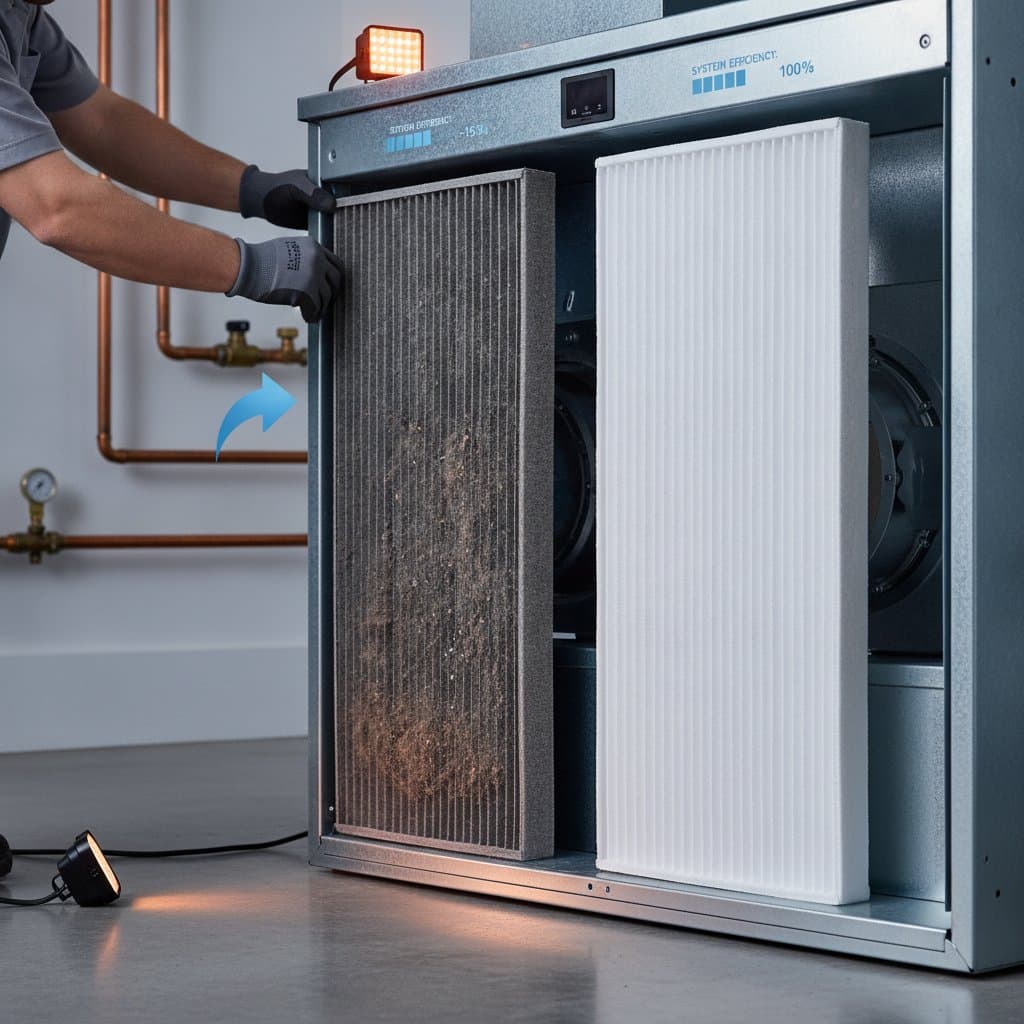
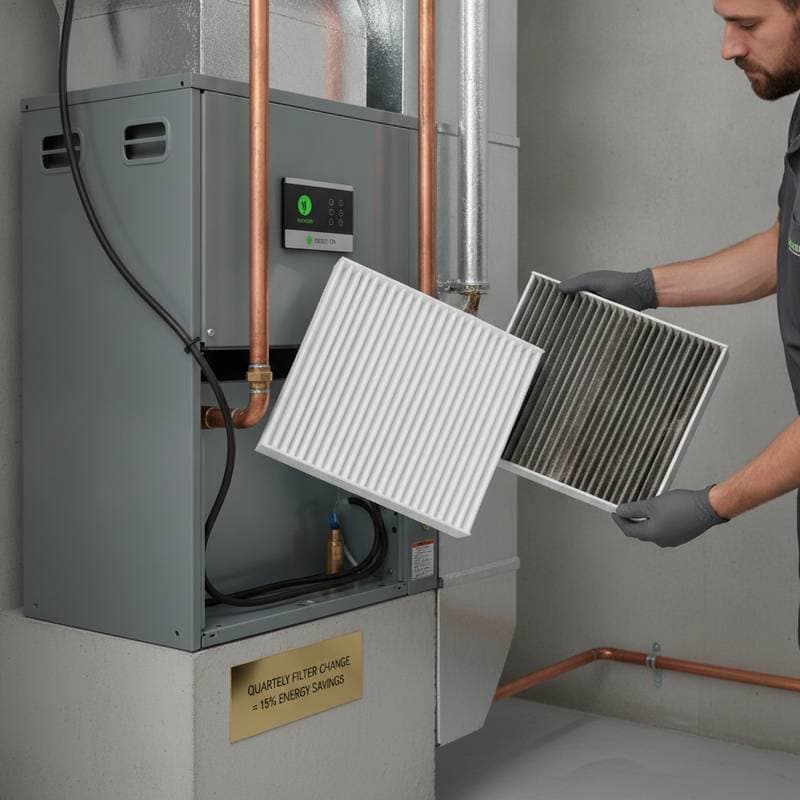
Dirty filters force the system to work harder. This extra effort raises energy consumption and shortens equipment life. Clean filters allow air to flow freely and keep rooms at the desired temperature with less effort.
How Often to Replace Filters
Most standard filters require attention every 30 to 90 days. Households with pets or residents who have allergies often benefit from changes every three to four weeks. Always check the filter after high-use periods such as summer heat waves or winter cold snaps.
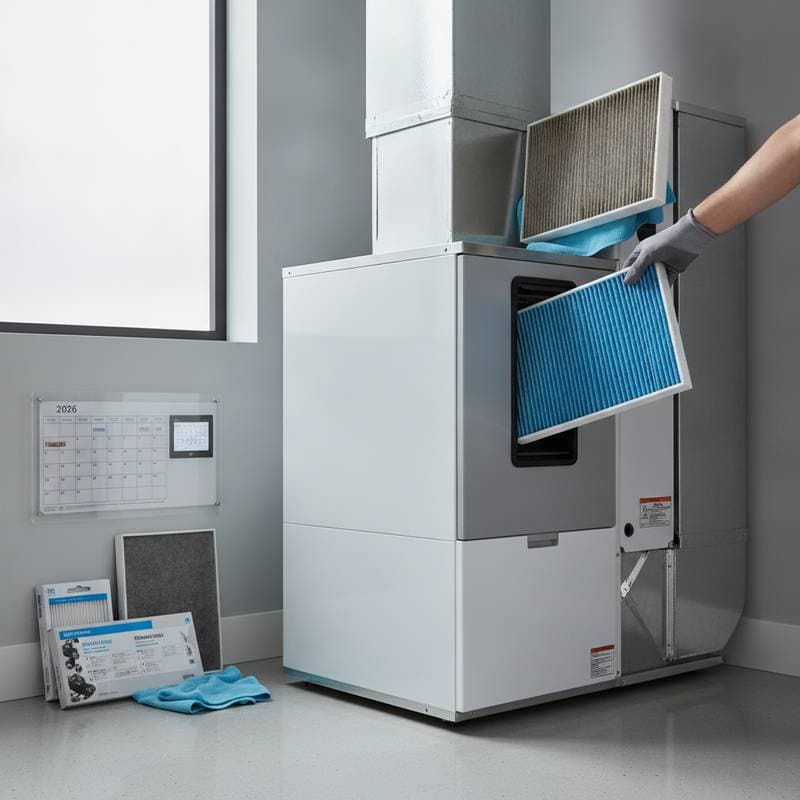
Start by noting the installation date on a calendar or phone reminder. This simple habit prevents oversight and keeps the system running at peak efficiency. Some homes may need more frequent checks during construction or renovation projects nearby.
Choosing the Correct MERV Rating
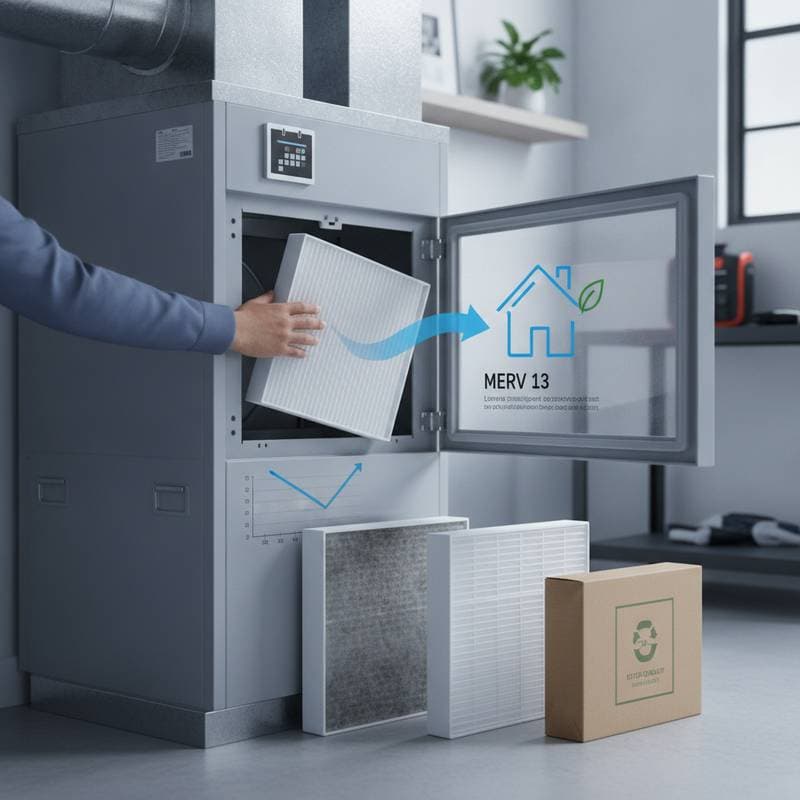
The Minimum Efficiency Reporting Value indicates how well a filter captures particles. A rating between 8 and 13 suits most residential systems without restricting airflow. Higher ratings can improve air cleaning but may require professional confirmation that the equipment can handle the denser material.
Measure the filter slot dimensions before purchase. Match the length, width, and depth exactly to avoid gaps that let unfiltered air pass through. Consider pleated designs for greater surface area and longer service life between replacements.
Seasonal Planning Approach
Review filter condition at the start of each season. Spring and fall offer good opportunities to stock spares before demand increases. Winter and summer months often accelerate filter loading due to continuous system operation.
Create a simple rotation schedule that aligns with local weather patterns. For example, plan changes in early March, June, September, and December. Adjust these dates based on actual usage data collected over the first year.
Steps for Proper Installation
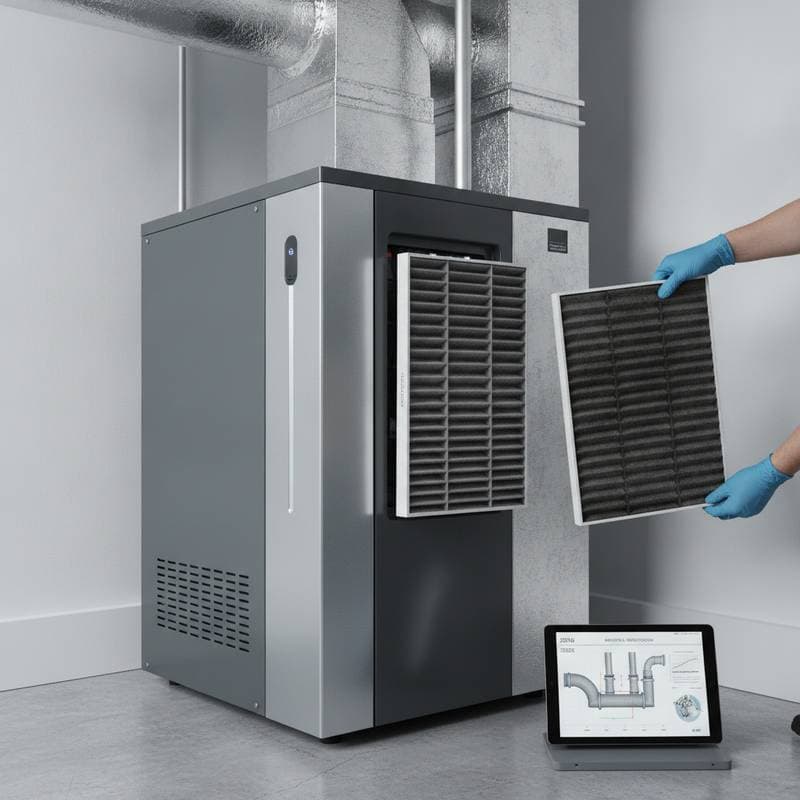
Turn off the system before opening the filter compartment. Slide the old filter out slowly to contain loose debris. Insert the new filter with the airflow arrows pointing in the correct direction. Restore power and confirm the system runs without unusual noises.
Keep a small supply of filters on hand to avoid last-minute store trips. Store them in a dry location away from direct sunlight. This preparation supports uninterrupted maintenance throughout the year.
Tracking Results Over Time
Note any changes in energy bills or air freshness after each replacement. These observations help refine the schedule for future seasons. Consistent records also assist technicians during annual service visits.
Building a Year-Round Routine
Set recurring reminders that match household needs. Combine filter checks with other seasonal tasks such as gutter cleaning or smoke detector testing. This integrated approach ensures no maintenance item is overlooked.
A steady filter change plan protects both air quality and equipment investment. Homeowners who adopt these practices enjoy cleaner living spaces and more reliable comfort across all seasons.