Avoid Summer AC Breakdowns with This 2026 Checklist
When summer heat arrives, a reliable air conditioner determines whether a home stays comfortable. Many homeowners discover problems only after turning on their units for the first time. Regular maintenance prevents these issues by keeping systems efficient and extending their operational life.
This checklist addresses every critical task for central air systems, ductless units, and window models. Completing these steps reduces energy costs and avoids mid-season failures.
Inspect and Replace the Air Filter
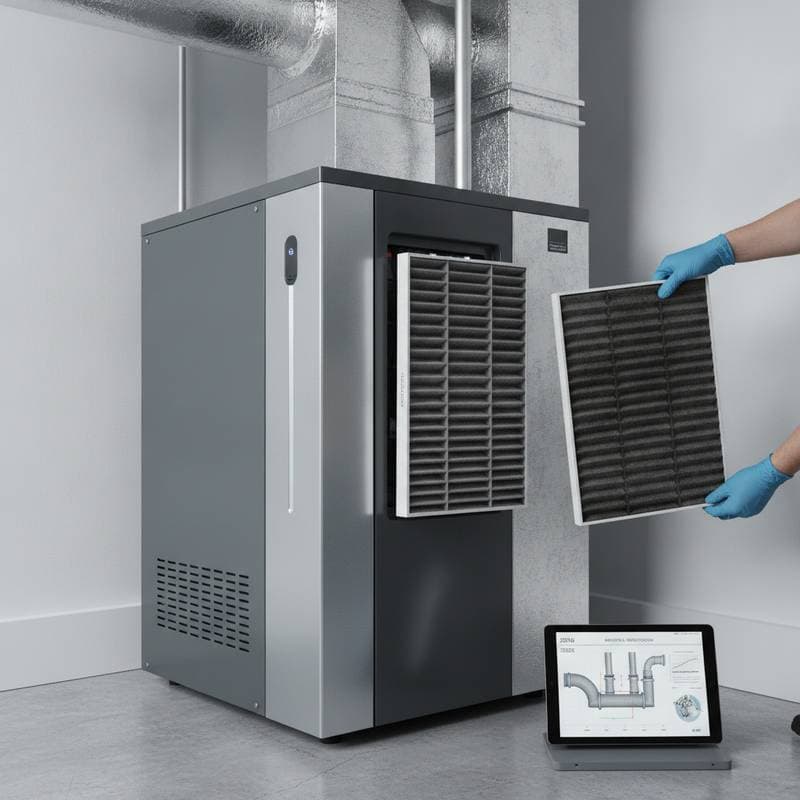
A clogged filter restricts airflow and forces the system to work harder. This strain can cause overheating or compressor damage.
Locate the filter in the return duct or air handler. Check for visible buildup and replace disposable filters monthly during peak use. Clean reusable filters according to manufacturer instructions. Fresh filters improve airflow and lower energy consumption.
Clear the Condenser Unit
The outdoor condenser releases heat from the home. Debris around the unit reduces cooling capacity and risks compressor shutdown.
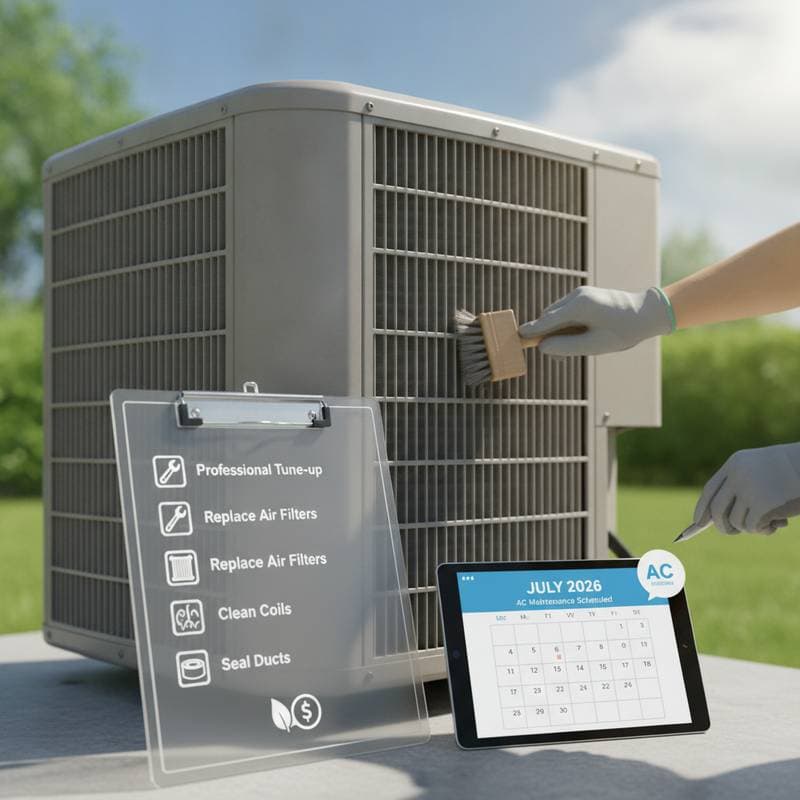
Turn off power at the disconnect box. Remove leaves and dirt from the base while maintaining two feet of clearance on all sides. Rinse fins gently with a garden hose from the inside out. Apply coil cleaner annually to restore performance.
Straighten Bent Fins
Bent fins block airflow and reduce heat exchange. Purchase a fin comb from a hardware store. Turn off power and run the comb through the fins to restore their shape.
Check the Refrigerant Lines
Inspect insulation along the lines connecting indoor and outdoor units. Replace cracked sections with foam sleeves secured by zip ties. Ensure lines remain free of kinks and sharp contact points.
Clean the Evaporator Coil
Dust accumulation on the indoor coil reduces cooling efficiency and creates odors. Turn off power at the breaker and remove the access panel. Apply no-rinse coil cleaner with a soft brush and allow it to dissolve buildup naturally.
Flush the Condensate Drain Line
Moisture from the evaporator coil drains through a narrow pipe that can clog with algae or dirt. Pour distilled vinegar through the line every few months. Use a wet-dry vacuum at the outdoor outlet to clear blockages and prevent water damage.
Test the Thermostat
An inaccurate thermostat causes short cycling and wasted energy. Verify the device sits level and away from heat sources. Upgrade to a programmable model if the current unit lacks scheduling features.
Inspect Electrical Connections
Loose or corroded connections create failure points. Turn off power and examine wires and terminals inside the outdoor panel. Tighten screws and replace damaged components. Contact a technician for any work that feels uncertain.
Examine the Ductwork
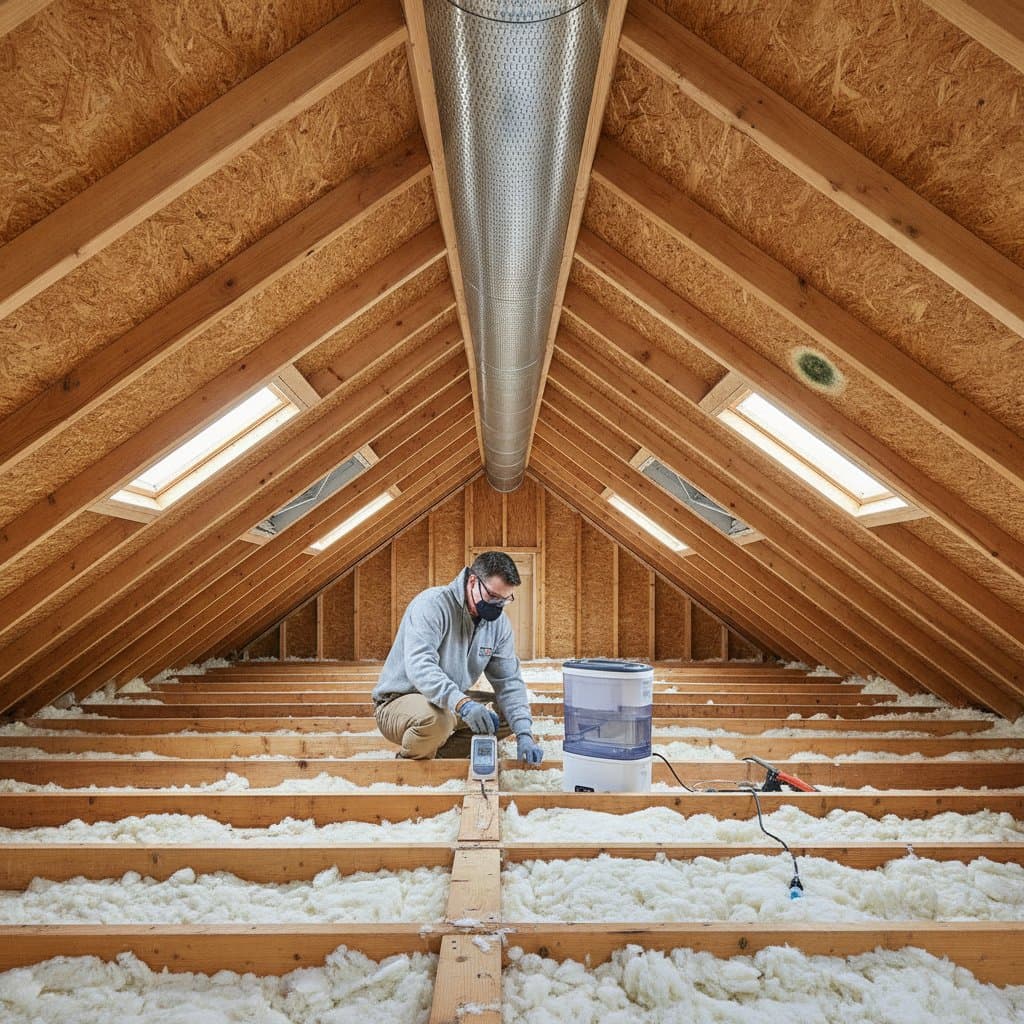
Leaky ducts waste cooled air and increase runtime. Seal small gaps with foil tape or mastic. Add insulation to ducts in attics or crawl spaces to maintain air temperature during travel.
Lubricate Moving Parts
Older models require lubrication on fan or motor bearings. Consult the manufacturer guide for the correct oil type and application points. Modern sealed bearings typically eliminate this need.
Check System Performance
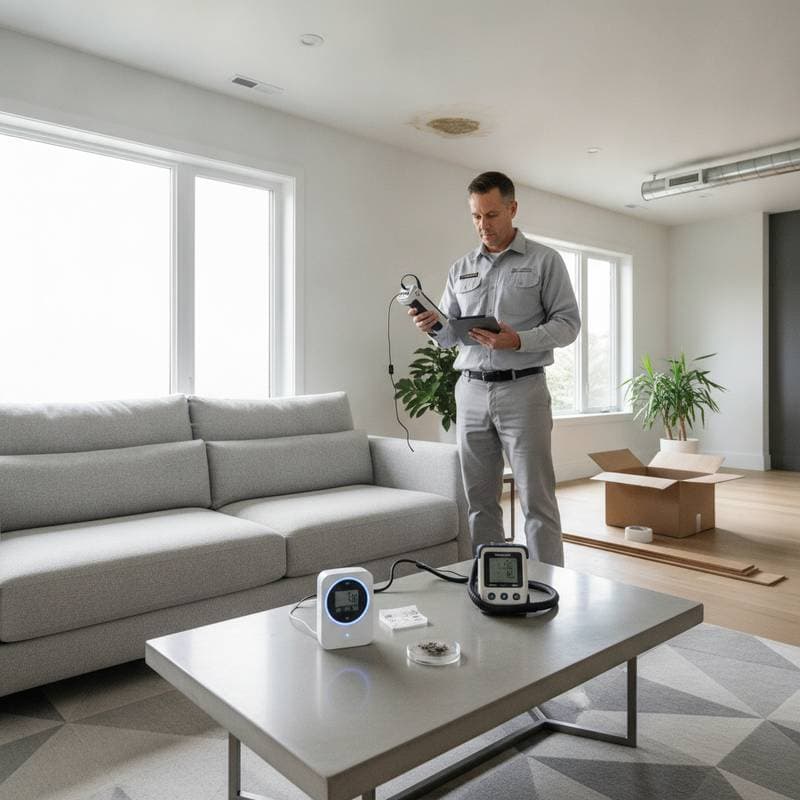
Run the system after maintenance tasks. Listen for unusual sounds and confirm cool air reaches all vents evenly. Contact a technician if refrigerant levels appear low.
Schedule a Professional Tune-Up
Annual professional service verifies refrigerant charge, electrical integrity, and control calibration. This visit protects warranties and identifies issues before they cause breakdowns.
Improve Indoor Airflow
Clear furniture and drapes from vents. Clean vent covers regularly. Set ceiling fans to counterclockwise rotation during cooling season to distribute air effectively.
Evaluate Home Insulation and Sealing
Gaps around doors and windows allow cooled air to escape. Apply weatherstripping and seal attic hatches. Proper insulation reduces cooling loads significantly.
Prepare for Power Surges
Install a whole-house surge protector to shield compressors and control boards from summer storms. This addition prevents expensive component damage.
Pro Tips for Success
Set phone reminders for monthly filter checks. Track service dates in a simple log. Monitor energy bills for sudden increases that signal developing problems. Close blinds during peak heat and consider system replacement after ten years of service.
Protecting Your Long-Term Investment
Consistent care preserves system performance and indoor comfort. These tasks improve air quality, control humidity, and deliver reliable cooling throughout the season.