When to Change HVAC Filters: DIY Schedule and Savings
A clean HVAC filter supports healthy indoor air and efficient system performance. Clogged filters force the equipment to work harder, which raises energy consumption and reduces air quality. Regular replacement ranks among the simplest maintenance steps that deliver measurable returns through lower costs and fewer repairs.
This guide covers filter replacement frequency, influencing factors, step by step instructions, and expected savings from consistent care.
Filter Types and Replacement Intervals
Filter material and efficiency ratings determine service life. Selecting the correct type prevents airflow restrictions while maintaining performance.
Fiberglass filters offer basic protection at low cost. These disposable units typically require replacement every 30 days and suit homes without pets or allergy concerns.
Pleated filters capture finer particles through folded polyester or cotton media. Most households replace them every 60 to 90 days, adjusting for local dust levels.
High efficiency filters such as HEPA or high MERV models remove pollen and bacteria effectively. Manufacturers usually recommend changes every two to three months to avoid motor strain.
Washable filters provide long term use when rinsed monthly and dried completely before reinstallation. They reduce recurring purchases yet demand regular attention.
Consult system specifications before selecting a filter. An excessively high MERV rating can restrict airflow and damage the blower motor.
Step by Step Replacement Process
Filter changes require minimal tools and finish in under ten minutes. Follow these actions in sequence.
- Switch the thermostat to the off position to stop the blower.
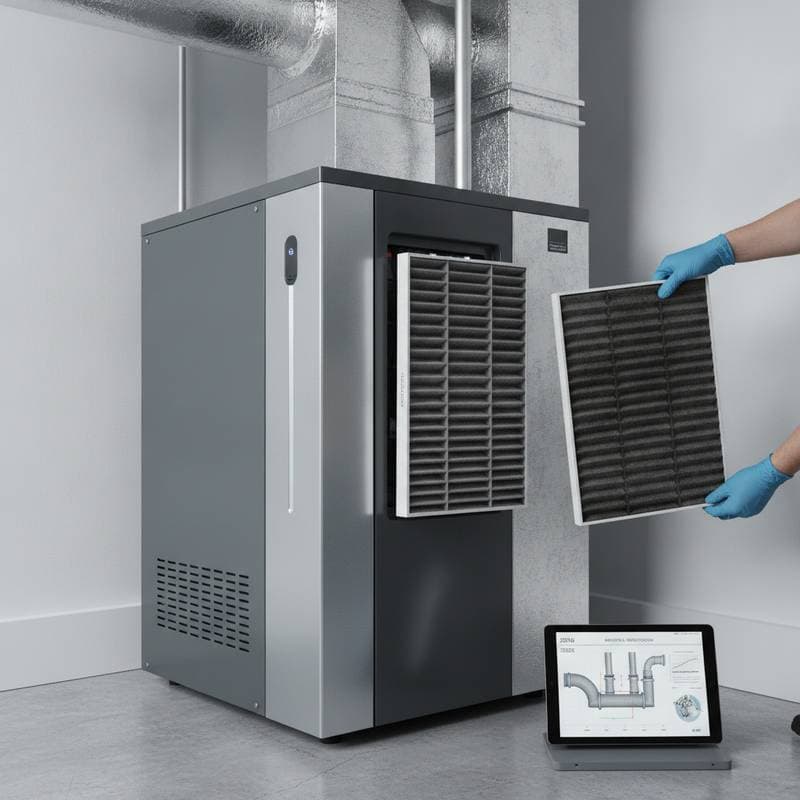
- Locate the filter behind a return air grille or inside the indoor unit cabinet.
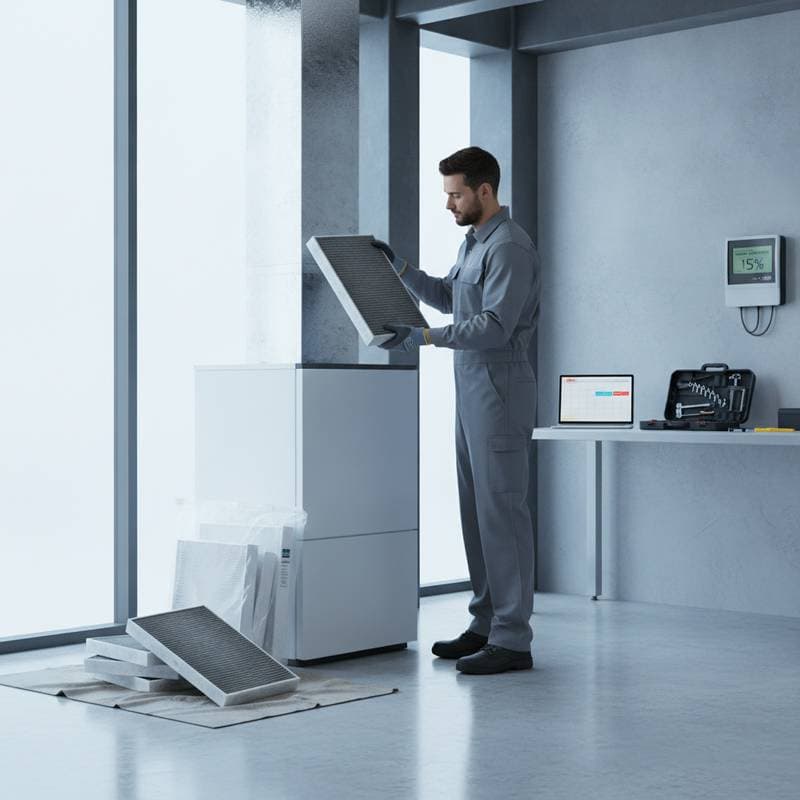
- Withdraw the old filter carefully to contain dust, and note the airflow arrow direction.
- Insert the new filter so the arrow points toward the blower motor.
- Secure the grille or access panel to eliminate air leaks.
- Restore power and run the system briefly to confirm normal airflow.
Record each installation date on the filter frame or near the return vent for future reference.
Energy Cost Reductions
Dirty filters increase electrical demand as the system compensates for restricted airflow. Households that maintain clean filters achieve average savings between five and fifteen percent on utility costs. For a two hundred dollar monthly bill, this produces annual reductions of one hundred twenty to three hundred sixty dollars.
Filter prices range from five to thirty dollars. The expense recovers quickly through reduced energy use and avoided service calls. Neglected filters accelerate wear on motors and compressors, where replacement costs often exceed eight hundred dollars.
Seasonal Replacement Schedule
Align changes with usage patterns to maintain efficiency throughout the year.
Spring pollen loads increase. Install a fresh filter at the start of cooling season to limit allergen circulation.
Summer continuous operation raises dust accumulation. Inspect filters monthly and replace them when visible buildup appears.
Fall heating preparation benefits from new filters that capture accumulated dust in idle ductwork.
Winter steady heating demand requires monthly checks in colder regions.
Pair filter changes with recurring tasks such as gutter cleaning to support consistent habits.
Common Problems and Solutions
Persistent issues after filter replacement point to other system conditions.
Low airflow after a new filter installation may indicate blocked vents or dirty coils. Professional inspection becomes necessary if the condition continues.
Whistling noises often result from an incorrectly seated filter or one with an incompatible MERV rating. Reinstall the filter or select a lower rated alternative approved for the equipment.
Rapid dust return after cleaning suggests an inadequate filter grade. Upgrade to a pleated model rated MERV 8 to 11.
Damp filters signal condensation or drainage problems. Shut down the system and address moisture sources before installing a replacement.
Practical Maintenance Habits
Bulk purchases reduce emergency store visits and lower per unit costs. Mark each filter with its installation date using a permanent marker. Digital reminders on phones or smart devices help maintain timing. Store spares in dry locations to prevent mold. Clean vent covers during each change to support unobstructed airflow. Smart thermostats that monitor filter condition provide automated alerts.
Protecting System Longevity
Consistent filter care preserves equipment efficiency and prevents premature component failure. The small recurring investment safeguards larger system assets while supporting steady comfort and air quality year round.