
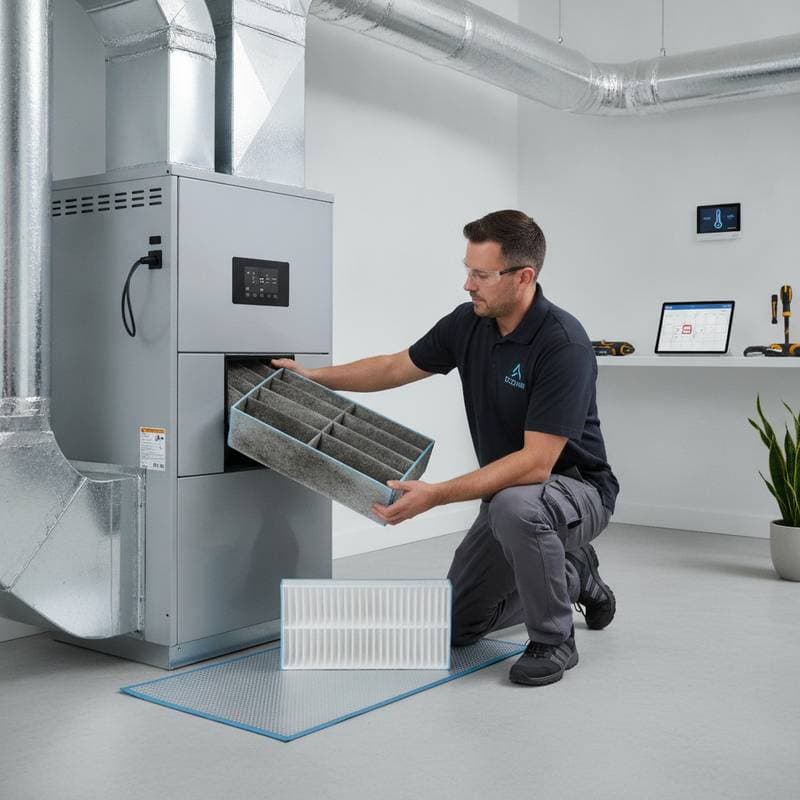
Your Summer HVAC Filter Replacement Schedule
When warm weather arrives, your HVAC system works harder to maintain comfortable indoor temperatures. Increased runtime causes filters to collect dust, pollen, and pet dander at a faster rate. Planning replacements in advance prevents airflow restrictions that raise energy use and reduce cooling performance.
Benefits of Timely Filter Changes
A clean filter allows air to move freely through the system. Restricted airflow forces the equipment to consume more electricity to achieve the same temperature. This practice can lower cooling energy consumption by as much as 15 percent while extending equipment life.
Dirty filters also allow particles to remain in circulation. Residents may notice increased sneezing or irritated airways when pollen and dust levels rise indoors. Regular replacement supports both efficiency and air quality throughout the season.
Recommended Replacement Intervals
Replacement timing varies with household conditions. Follow these guidelines during peak cooling months:
- Every 30 days for homes with pets, smokers, or allergy sufferers.
- Every 60 days for typical households without special conditions.
- Every 90 days for properties that remain unoccupied for long periods.
Daily air conditioner operation shortens these intervals. Monitor usage and adjust the schedule accordingly.
Early Warning Signs
Watch for these indicators that a filter needs attention sooner than planned:
- Unexpected increases in monthly energy statements.
- Noticeably weaker airflow from supply vents.
- Visible dust buildup on surfaces shortly after cleaning.
- Worsening allergy symptoms while indoors.
Inspect the filter visually each month to catch problems early.
Filter Selection Guidelines
Filter options differ in construction and performance. Fiberglass models offer basic protection at low cost. Pleated polyester or cotton versions capture more particles without excessive resistance. High efficiency units with elevated MERV ratings remove finer contaminants but require verification that the system can accommodate them.
Most homes achieve balanced results with a MERV rating between 8 and 12. Select the highest rating your equipment manual permits.
Practical Replacement Steps
Filter changes require minimal time. Locate the filter compartment, note the airflow direction arrows on the frame, and insert the new filter in the correct orientation. Keep several spares available to avoid delays.
Label each return or vent in larger homes to track multiple filters. Phone reminders or calendar entries help maintain consistency across the summer.
When Professional Service Adds Value
Homeowners can complete most filter tasks independently. Systems with complex ductwork or integrated air purifiers benefit from annual technician visits. These inspections include coil cleaning and verification of refrigerant levels.
Service costs typically range from one to two hundred dollars and often cover multiple performance checks.
Additional Performance Checks
Persistent issues after a filter change may stem from other sources. Confirm that supply vents remain unobstructed. Verify that the fan setting remains on auto rather than continuous operation. Measure the filter dimensions to ensure a proper fit.
Contact a technician if these adjustments fail to restore normal operation.
Building a Seasonal Maintenance Routine
Record each filter change date in a household log. Pair the task with other recurring summer activities such as checking outdoor unit clearance. Consistent attention preserves system capacity and indoor comfort.




