Find the Right Time and Type for Seasonal HVAC Filters
Maintaining your HVAC system starts with one of the simplest tasks. This involves replacing the air filter. This small component affects home comfort, energy efficiency, and air quality in significant ways. Choosing the correct filter type and replacement timing extends system life while improving indoor air cleanliness. Seasonal shifts change how hard the HVAC unit operates, which means the filter schedule must adapt throughout the year.
This guide explains how to identify optimal filter change intervals. It also covers filter types suited to each season and practical choices that match household requirements and spending limits.
Understanding Filter Ratings and Types
Filters receive ratings through the Minimum Efficiency Reporting Value system. A higher MERV number indicates stronger filtration performance. However, ratings that exceed system design can restrict airflow and reduce efficiency. Check the equipment manual to confirm the maximum MERV rating supported before purchase.
Common Types of HVAC Filters
- Fiberglass filters remain inexpensive and disposable. They capture larger particles such as lint and dust yet provide limited protection against allergens. Replacement occurs every thirty days in most homes.
- Pleated filters use polyester or cotton folds to trap smaller particles. They typically last up to ninety days and maintain balanced airflow, which suits the majority of residential systems.
- Electrostatic filters rely on static charge to attract particles. Reusable versions require monthly cleaning and can serve several years when maintained properly.
- HEPA filters capture more than ninety nine percent of airborne particles. Most residential systems cannot accommodate them without modification because of airflow restrictions.
- Activated carbon filters combine particle capture with odor removal. They perform well in homes that contain pets, smokers, or frequent cooking odors and require replacement every two to three months.
A MERV rating between eight and eleven supplies effective air quality improvement without compromising system performance in typical households.
Signs That Your Filter Needs Replacement Sooner
Regular schedules provide guidance, yet visual and performance cues often indicate earlier action. Visible dirt or gray discoloration on the filter surface signals clogging. Weak airflow from vents or extended heating and cooling cycles also point to blockage. Musty odors and increased surface dust indoors further confirm that the filter no longer captures particles effectively.
A standard pleated filter costs between ten and twenty five dollars. Advanced electrostatic or carbon models reach fifty dollars. Consistent replacement prevents motor strain and frozen coils that lead to repairs costing hundreds or thousands of dollars.
How to Replace an HVAC Filter Safely
Filter changes require only a few minutes when performed methodically.
- Switch off the HVAC unit at the thermostat or breaker to stop unfiltered air movement.
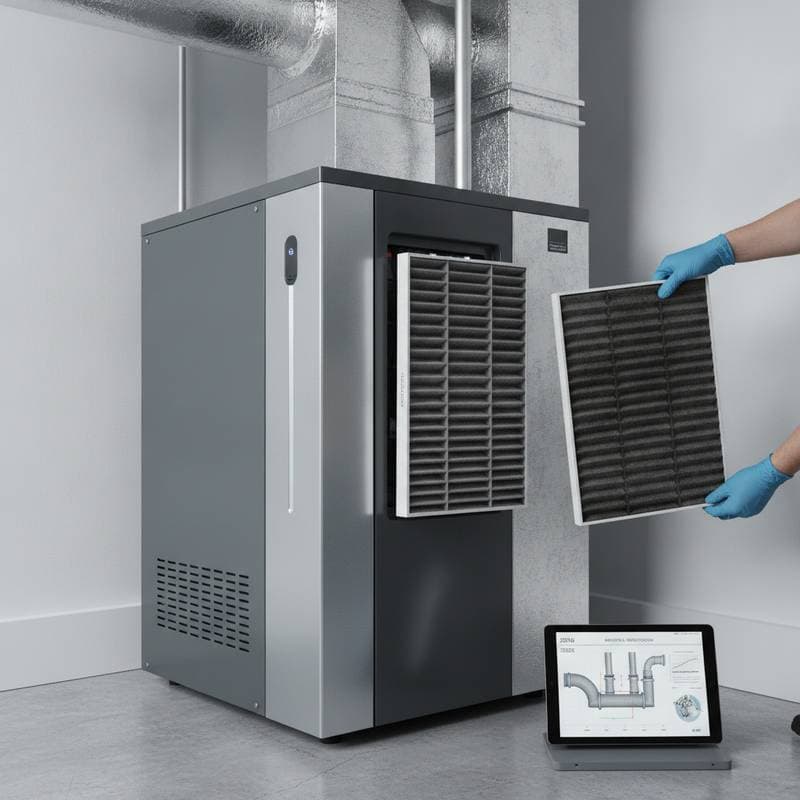
- Locate the filter slot behind the return vent or within the air handler cabinet.
- Remove the old filter and record the airflow arrow direction printed on its frame.
- Vacuum the slot to clear loose debris before insertion.
- Place the new filter so the arrow matches the required airflow direction.
- Reattach the cover and restore power to the system.
Place used filters inside sealed bags for disposal. Reusable filters need thorough rinsing followed by complete drying before reinstallation.
Cost and Energy Efficiency Considerations
Clean filters reduce energy consumption by up to fifteen percent through lower blower resistance. Track monthly utility statements before and after adopting a consistent schedule to quantify savings. Subscription services that ship filters on predetermined dates eliminate the risk of missed replacements and maintain steady system performance.
Protect System Longevity Through Consistent Care
Regular filter attention preserves equipment life and supports steady indoor comfort. Households that adopt seasonal schedules experience fewer service calls and maintain lower operating costs across all climate conditions.