Keep Your Air Clean with a Seasonal HVAC Filter Schedule
Clean indoor air depends on regular HVAC filter maintenance. A consistent filter schedule prevents dust buildup, keeps energy costs down, and extends the life of your system. Many homeowners overlook this easy task, which can quietly reduce comfort and increase utility bills.
A smart filter plan protects your air quality and helps your HVAC system run smoothly throughout the year. This guide explains how to build an effective HVAC filter schedule, when to replace filters based on usage and environment, and how to choose the right products for your home.
Why Clean Filters Matter
Clean filters trap dust, pollen, pet dander, and other airborne particles before they circulate through your home. When filters clog, airflow decreases and forces the system to work harder. That extra strain leads to higher energy use and premature wear on components.
Dirty filters can also trigger health issues. Indoor air can be several times more polluted than outdoor air. A filter change is the simplest way to reduce this exposure. For families with allergies or respiratory conditions, consistent replacement can make a noticeable difference in comfort.
Switching filters every few months can cut HVAC energy use by up to 15 percent. That small step saves money while keeping air cleaner and equipment healthier.
Setting Up a Seasonal Filter Schedule
Your filter schedule should match your climate, household size, and lifestyle. A simple way to remember is to check or replace filters each season. This plan keeps your system from running with clogged filters during the months when heating or cooling demand is highest.
Spring
Spring brings pollen and higher humidity. Replace filters before turning on the air conditioning for the first time. Choose a medium to high efficiency pleated filter to capture fine particles that enter when windows are open.
Summer
During hot months, filters collect more dust as the system runs longer. Check them monthly and replace as needed. Homes with pets or large families may need more frequent changes.
Fall
Before the heating season starts, inspect and replace filters again. Dust and debris often settle inside ducts during periods of low use. A fresh filter helps prevent that buildup from spreading through your living space.
Winter
Cold weather means more closed windows and constant heating. Indoor air becomes dry, and filters can fill faster. Replace filters mid season to maintain airflow and reduce strain on the blower motor.
Matching Filter Type to Your Home
Filters vary in design and performance. Choosing the right one depends on how much dust, pet hair, and outdoor pollution your home experiences.
- Fiberglass filters are inexpensive and easy to replace. They protect the system but do not catch fine particles. Use them if cost is the main priority and no one in the home has allergies.
- Pleated filters provide better air quality. Their folded material increases surface area for trapping dust and pollen. Look for a Minimum Efficiency Reporting Value rating between 8 and 13 for most households.
- High efficiency filters such as HEPA style models remove the smallest particles. They are ideal for allergy sufferers but can restrict airflow in older systems. Always check your HVAC manual before upgrading.
- Washable filters reduce waste but require careful cleaning. Rinse them thoroughly and let them dry fully before reinstalling to avoid mold growth.
Many homeowners overpay for filters rated higher than their system can handle. The best approach is to follow the manufacturer recommendation, then adjust to your comfort needs.
When to DIY and When to Call a Professional
Changing filters is a simple DIY task that takes only a few minutes. Keep a reminder in your calendar or a label on your filter cover with the next replacement date. Most homeowners can handle this part without any special tools.
Professional maintenance becomes important when airflow problems persist even after new filters are installed. A technician can inspect ducts, blowers, and coils for hidden blockages. They can also test the system pressure to confirm that your filter type matches its capacity.
If you notice inconsistent temperatures, unusual noises, or a musty smell from vents, it may be time for a complete service visit. Regular inspections every six months can extend system life by several years and help catch issues before they become costly repairs.
Cost and Budget Planning
Filter costs vary widely depending on material and brand. Basic fiberglass filters can cost only a few dollars each, while high efficiency models can reach several times that amount. To plan a yearly budget, multiply the cost of one filter by the number of replacements your schedule requires.
For example, a mid range pleated filter replaced every three months adds up to a modest annual expense compared to the savings from improved efficiency. Clean filters can cut cooling costs by about 10 percent. That reduction can easily offset the price of replacements.
If you prefer not to track purchases manually, subscribe to an automatic filter delivery service. Many online retailers and hardware stores offer scheduled shipments. This option prevents delays and helps you stay consistent.
Safety Considerations During Maintenance
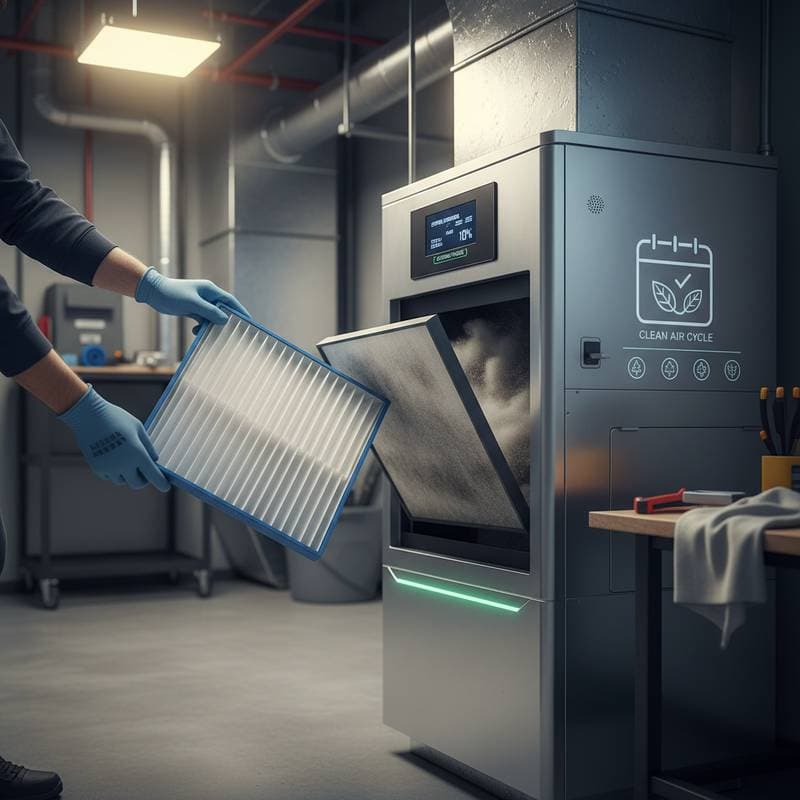
Always shut off your HVAC system before removing or installing a filter. This prevents dust from being pulled into the unit while it is open. Wear gloves if the old filter looks heavily coated with debris. Avoid shaking or banging the filter to clean it, as that can release particles into the air.
When disposing of used filters, place them in a sealed bag to limit dust spread. If you use washable filters, clean them outdoors with a gentle stream of water and let them dry completely before reinstalling. Never operate the system with a wet or missing filter, since that can allow dirt to reach the blower and coils.
Keeping Track of Your Filter Schedule
A clear tracking system ensures you never miss a replacement. Many smart thermostats now include filter change reminders. If your system does not, use a digital calendar or a simple notebook to record each change.
Labeling filters with the installation date is another reliable trick. When you remove an old filter, check its condition. A dark, dusty surface means your schedule is working. If the filter still looks clean, you can extend the interval slightly without harming performance.
Creating a visible reminder near your thermostat or air return also helps. Sticking a note on the panel or using a color coded schedule by season keeps everyone in the household aware.
Adapting Your Schedule for Special Conditions
Some homes need more frequent filter changes due to unique conditions. If you live near a busy road, have several pets, or use a wood burning fireplace, your air filters will collect more particles. In those cases, check filters every month instead of waiting for the next season.
New construction or remodeling projects also create extra dust. Replace filters before and after the work to protect your equipment. For households with medical concerns, consider higher grade filters and monitor air quality with a digital sensor.
Protecting Your System Long Term
A seasonal HVAC filter schedule is one of the easiest ways to protect both your comfort and your budget. Clean filters support better air quality, lower energy use, and consistent performance. Over time, those small habits add up to major savings on repairs and replacements.
Homeowners who stick to their schedule often notice fewer allergy symptoms, quieter operation, and more stable temperatures. It is a low cost habit that delivers daily benefits. Plan your next change now and choose the right filter type to maintain steady performance.