Microcement Floors: Why the Seamless Trend Wins in 2026
Microcement floors have become one of the most sought after surfaces in modern interior design. Their smooth continuous finish offers a clean and contemporary aesthetic that fits both residential and commercial spaces. The appeal lies in simplicity and versatility along with durability that rivals traditional flooring materials.
Homeowners and designers turn to microcement because it transforms floors into unified surfaces that feel cohesive from wall to wall. This guide breaks down what makes microcement flooring so popular. It also explains how the material performs in real homes and why its seamless look continues to dominate design trends.
Why Seamless Floors Appeal to Modern Homes
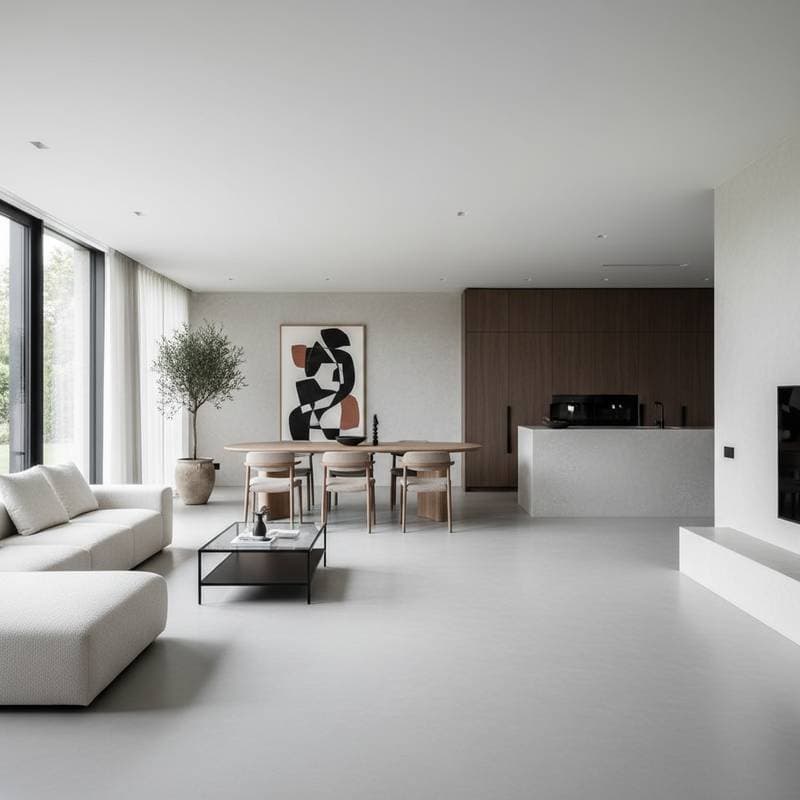
The seamless aesthetic delivers more than a passing style preference. Homeowners are drawn to the calm and visual continuity that microcement floors provide. Without the interruption of grout lines or joints the floor becomes part of the architecture rather than a separate element.
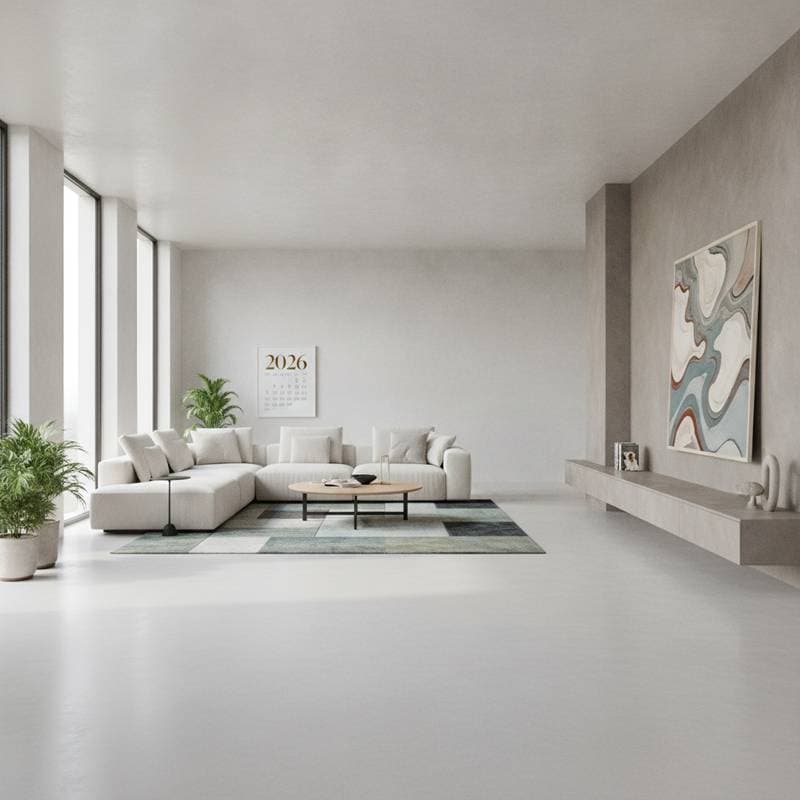
This uniformity makes spaces feel larger cleaner and more refined. In open plan layouts microcement enhances flow and links kitchen dining and living zones into one cohesive space. Its matte finish diffuses light softly and gives rooms a balanced tone that complements both minimal and eclectic interiors.
Designers often describe microcement floors as the canvas upon which every other design choice rests.
Installation Process and What to Expect
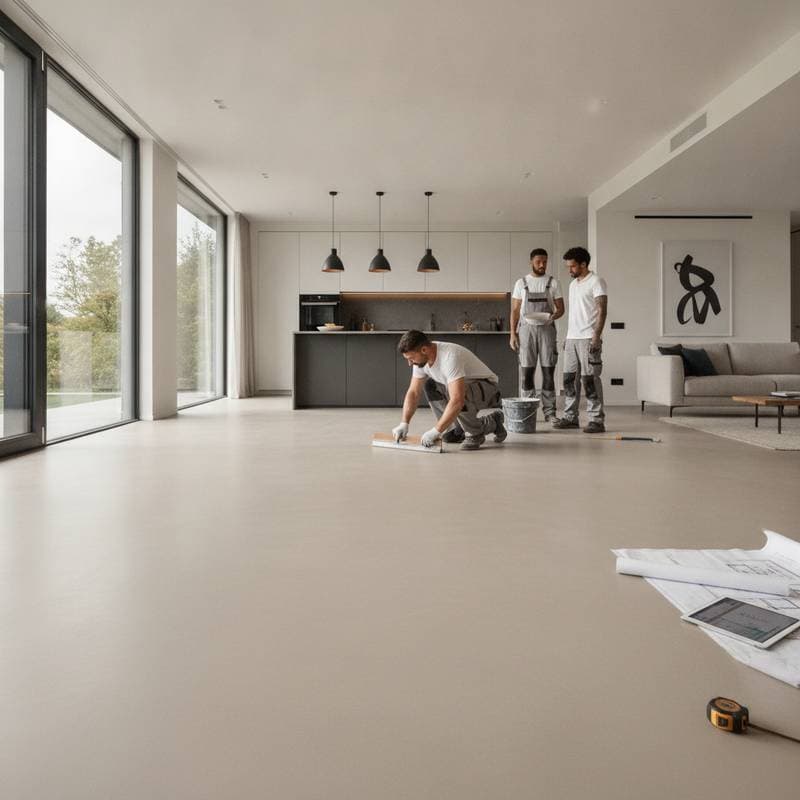
Installing microcement is a craft that demands precision. The process involves several key steps.
- Surface preparation requires the existing floor to be solid dry and level. Cracks or holes are filled and tiles are often covered with a bonding primer.
- A base layer of microcement is spread evenly to create a uniform foundation.
- Installers embed a fiberglass mesh between layers to prevent cracking.
- Two or more thin coats of microcement are applied and each layer is sanded for smoothness.
- The surface is sealed with a protective coating that enhances color depth and adds resistance to wear.
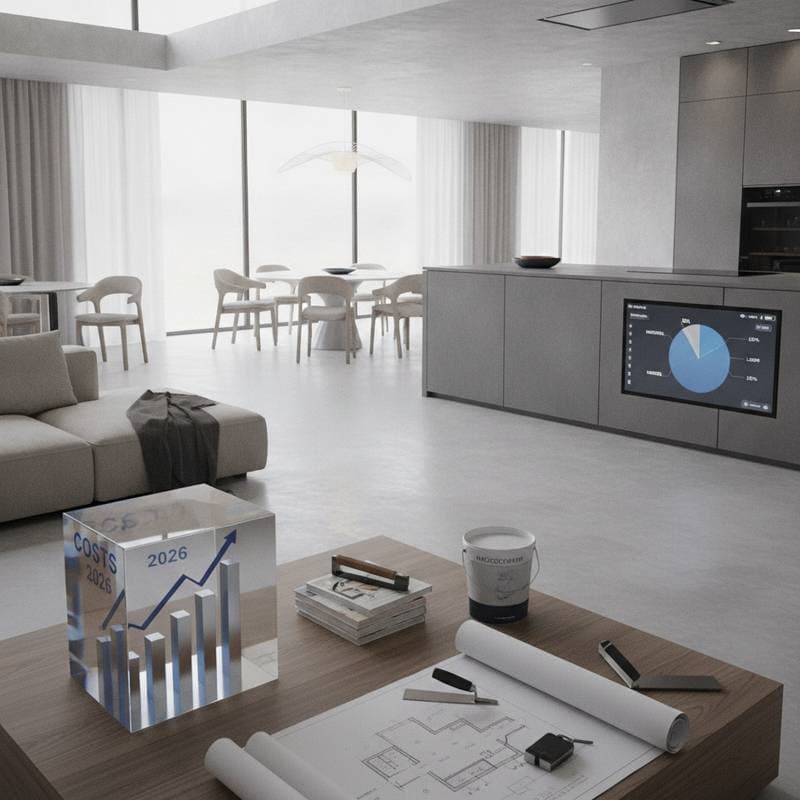
The typical installation takes about three to five days depending on the size of the area and drying conditions. Costs usually range between 50 and 120 dollars per square meter depending on color texture and labor demands. While this price exceeds vinyl or laminate flooring the seamless finish and longevity justify the investment for many homeowners.
Maintenance Made Simple
Microcement requires low maintenance which drives its growing popularity. Regular care involves simple cleaning with a neutral pH detergent and a soft mop. Avoid harsh chemicals or abrasive pads that could damage the sealant. Once every few years a new coat of sealer can be applied to restore luster and protection.
For households with pets or children the seamless surface eliminates joints where dirt and bacteria can collect. This quality makes microcement a hygienic choice for kitchens bathrooms and entryways. Homeowners who have switched from tile to microcement often comment on how easy it is to keep floors looking new even in high traffic areas.
Addressing Common Concerns
Some homeowners worry about cracking or maintenance. While no material is completely immune to wear proper installation and sealing prevent most issues. Cracks usually result from movement in the substrate rather than the material itself. Using a reinforcement mesh and flexible base coat minimizes this risk.
Another concern is slipperiness. When sealed correctly microcement can be finished with a matte or satin texture that offers safe traction even in bathrooms. For outdoor use installers can add anti slip additives to the final coat.
Temperature comfort is also a question many ask. Microcement works well with underfloor heating because its thin structure allows efficient heat transfer. It warms up quickly and retains heat evenly across the surface.
Real World Examples and Expert Insights
Interior designers on platforms like LinkedIn and Pinterest often share case studies where microcement floors elevate small spaces. One designer noted that clients love how the material visually expands rooms without adding clutter or trim. A homeowner reported that their microcement bathroom still looked brand new after several years of daily use and called it the easiest surface to clean.
Architectural firms have also noted growing demand in commercial spaces. Restaurants and retail stores appreciate that microcement can handle heavy foot traffic while maintaining a premium finish. Its ability to create continuity between floors and walls allows brands to design immersive cohesive environments.
Sustainability and Environmental Performance
Microcement thin application reduces material use compared to concrete or large format tiles. Because it can be applied over existing surfaces it avoids waste associated with demolition and disposal. Many manufacturers now develop low VOC formulations and recyclable packaging which makes microcement an increasingly eco conscious choice.
It also contributes to longevity. A floor that lasts decades without replacement saves both material and labor resources over time. For homeowners focused on sustainable renovation microcement fits well into a low impact design plan.
Preserving Performance Over Time
Schedule resealing every three to five years to preserve the look and performance of microcement floors. This quick maintenance step keeps the surface water resistant and vibrant. Use felt pads under furniture clean spills quickly and avoid dragging heavy objects.
When properly cared for microcement floors age gracefully. Their patina develops character without losing elegance. The initial cost pays off through years of easy cleaning durability and timeless style.