Maintain HVAC Efficiency with a 2026 Filter Schedule
A clean air filter supports steady HVAC performance. Clogged filters force the system to work harder, which raises energy use and risks early component failure. A seasonal replacement plan prevents these problems while supporting better indoor air.
Why Filter Maintenance Matters
Restricted airflow causes motors to overheat and coils to ice over. Reports from HVAC technicians show that neglected filters can cut airflow by up to 30 percent. This reduction increases electricity consumption and reduces comfort.
Clean filters also capture dust and allergens before they spread through rooms. Regular changes therefore protect both equipment and household health.
Understanding Filter Types
Filter choice affects replacement frequency and system compatibility. Review the options below to select the right product.
- Fiberglass filters trap large particles and require monthly changes.
- Pleated filters offer greater surface area and typically last three months.
- Electrostatic filters use static charge to attract particles; some models are washable.
- High-efficiency filters capture smoke and mold spores, suiting allergy-sensitive homes.
Match the filter dimensions and MERV rating listed on the current unit to avoid airflow issues.
Building a Seasonal Filter Schedule
Plan replacements around usage peaks rather than waiting for symptoms. The following cycle works for most homes.
- Early spring: install a fresh filter before cooling begins.
- Mid-summer: inspect monthly during continuous operation.
- Early fall: replace the filter before heating starts.
- Mid-winter: check monthly and change when the surface appears gray.
Households with pets or smokers should shorten intervals to one or two months.
How to Replace an HVAC Filter
Filter changes require only a few minutes and no special tools. Follow these steps in order.
- Switch the system off at the thermostat.
- Open the compartment near the return duct.
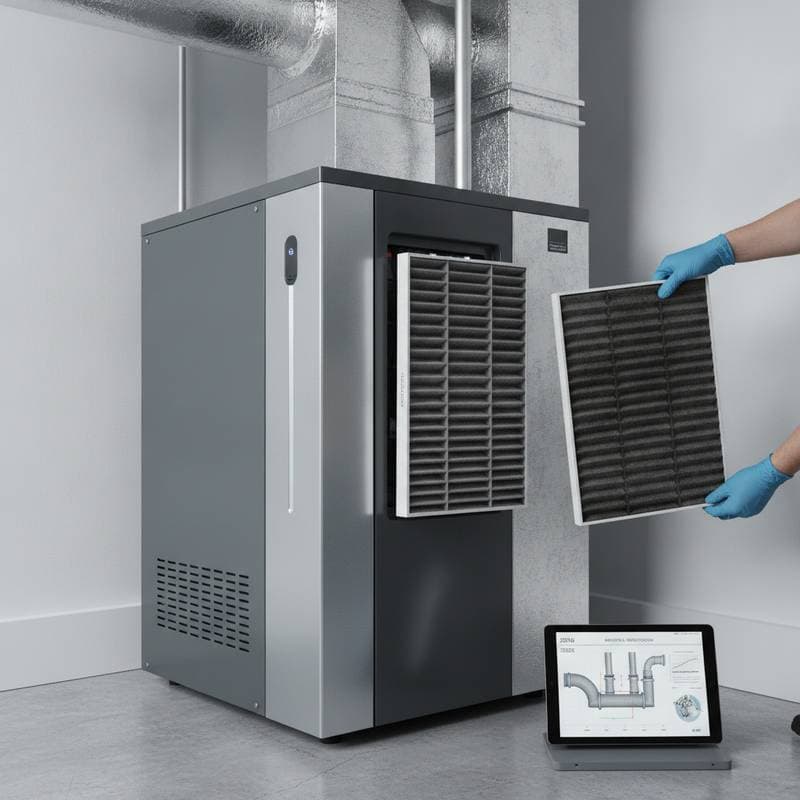
- Slide out the old filter without shaking it.
- Note the airflow arrow on the new filter and align it correctly.
- Seat the filter firmly and close the compartment.
- Restore power and confirm normal airflow.
Photograph the label on the old filter for quick reordering.
DIY or Professional Help
Homeowners can manage filter swaps independently. Annual professional service still adds value by checking coils, refrigerant, and duct integrity. Many service companies also offer scheduled filter delivery programs for consistent results.
Budgeting for the Year Ahead
Filter prices range from a few dollars for basic models to higher amounts for high-efficiency versions. Estimate annual needs by multiplying replacements per season by unit cost, then add a small reserve for unexpected conditions such as construction dust.
Keeping Track of Replacements
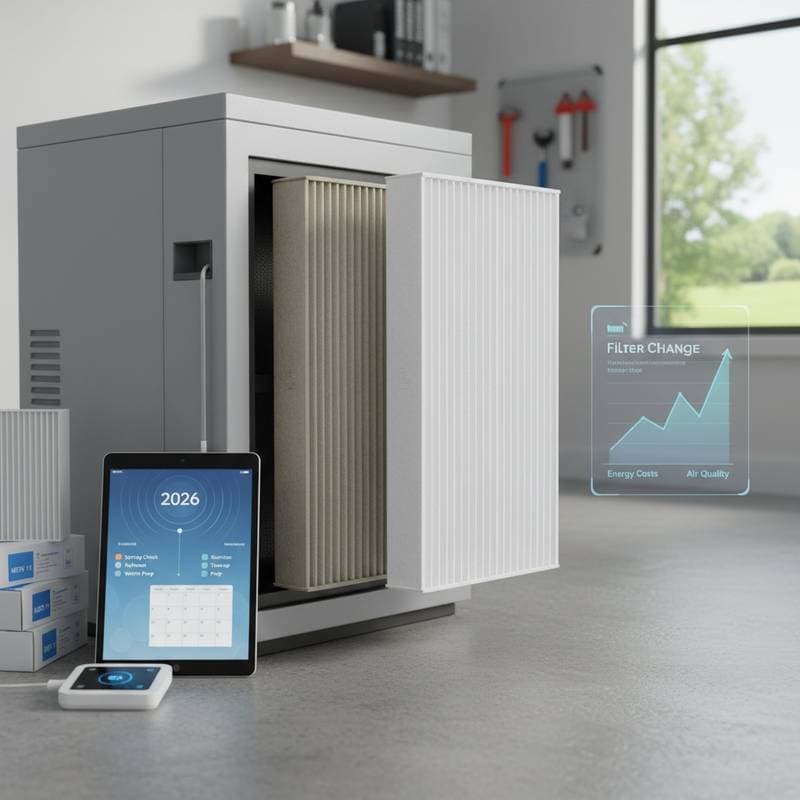
Simple tracking methods prevent missed changes. Mark dates on a calendar, note the installation date on the filter frame, or enable alerts through a smart thermostat app.
Common Mistakes to Avoid
Incorrect practices increase system strain. Never skip changes during light-use periods, install the wrong size, reverse airflow direction, reuse washable filters without thorough cleaning, or ignore blocked return vents.
Protect System Performance with Routine Care
Consistent filter care stabilizes energy costs, preserves air quality, and reduces repair frequency. Keep spares available, follow the seasonal plan, and combine self-service with periodic professional inspections to maintain reliable operation through every season.