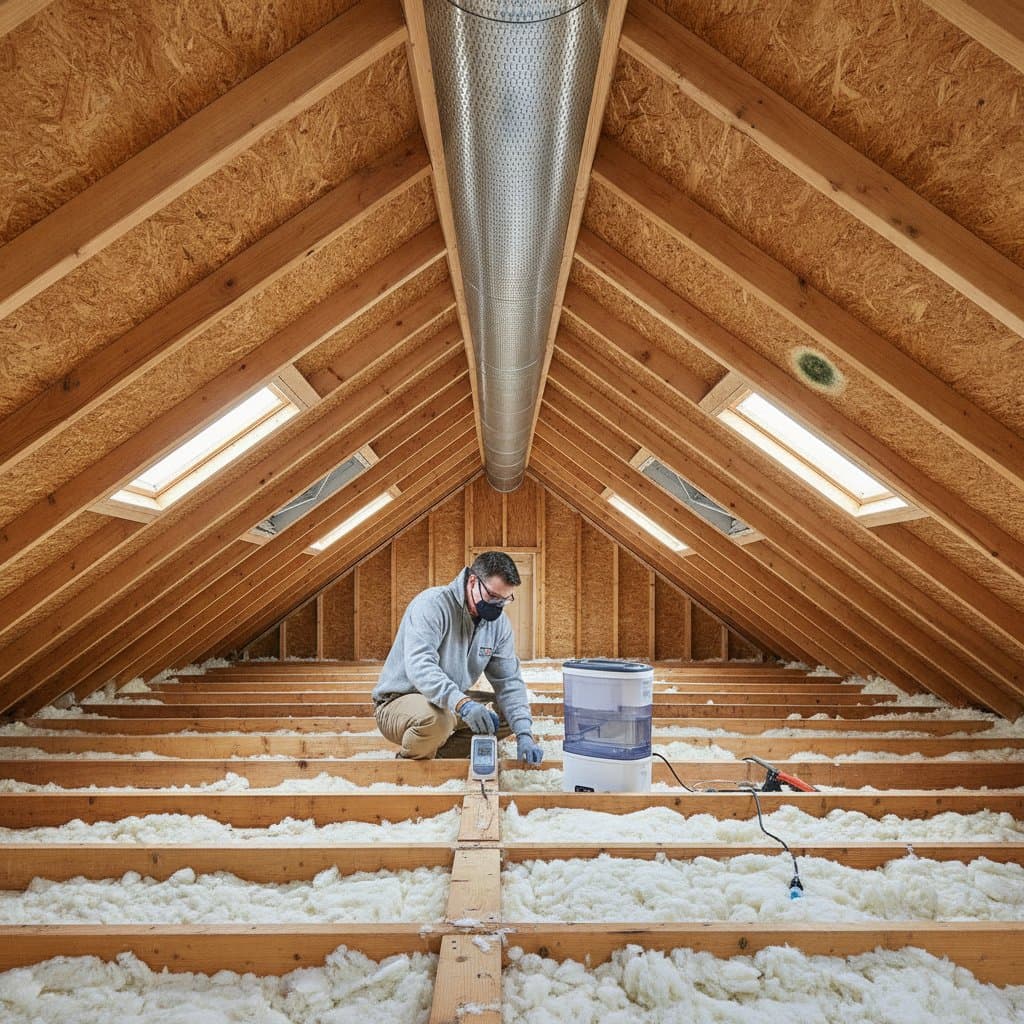
Why Fall Roof Inspections Prevent Costly Storm Damage
A roof protects the entire structure of a home. When it fails, repairs can become expensive and disruptive. Fall is the best time to inspect and maintain roofing systems because weather conditions are mild and materials remain stable. A few hours of preventive care can save thousands in storm-related repairs once harsh weather arrives.
Understanding Roof Inspection Costs
Professional roof inspections typically range between 150 and 400 dollars depending on property size and roof type. In areas with higher labor costs or complex roofing materials, prices can reach 500 dollars or more. Some contractors offer free inspections as part of a repair estimate, while certified inspectors charge a fee for detailed reports that include moisture mapping and structural assessments.
Regional variations also affect pricing. Coastal areas or regions with frequent storms often have higher inspection rates due to insurance requirements and demand for licensed professionals. In contrast, rural markets may offer more affordable rates but limited availability. Seasonal discounts often appear in early fall when roofing companies prepare for winter bookings.
How Pricing Models Differ
Roof inspection pricing follows several structures. Hourly rates suit smaller homes or spot checks that require limited assessment time. Flat fees are common when a full inspection is needed for insurance or sale purposes. Some providers offer bundle pricing, combining inspection, gutter cleaning, and minor repairs at a reduced rate.
Homeowners who prefer ongoing maintenance can select annual subscription plans that include two inspections per year. This model spreads costs evenly and ensures regular upkeep without scheduling delays during peak seasons.
What Each Service Tier Includes
A basic inspection covers visual checks for missing shingles, blocked gutters, and flashing wear. This level typically costs around 150 to 250 dollars. A standard inspection includes attic ventilation review, moisture detection, and minor sealing, averaging 300 to 400 dollars.
Premium inspections offer infrared scanning, detailed documentation, and drone imaging for large or high-slope roofs, often exceeding 500 dollars. Specialized services such as historical roof assessments or energy-efficiency evaluations can reach 700 dollars or more, depending on the skill required and equipment used.
Factors That Influence Roof Inspection Pricing
Several variables shape total inspection costs:
- Roof size and complexity increase labor time and safety measures.
- Material type matters since slate, tile, and metal require different handling than asphalt shingles.
- Accessibility affects cost when steep slopes or multi-level homes need safety harnesses and lift equipment.
- Extent of visible damage can also raise prices if inspectors must remove debris or perform minor patching during the visit.
Add-On Services That Improve Protection
Many roofing professionals recommend extra maintenance during inspections.
- Gutter cleaning prevents water backup that can cause leaks and fascia rot. Fees typically range from 100 to 250 dollars.
- Sealant application around flashing and vents costs about 75 to 150 dollars, depending on the roof size.
- Moss and algae treatments may add 100 to 200 dollars, helping preserve shingle integrity.
- Expedited visits before forecasted storms often carry a premium of 20 to 30 percent due to demand.
These extras extend the roof lifespan and reduce emergency repair risks when storms arrive.
Why Fall Timing Matters
Inspecting a roof in fall prevents small cracks or loose shingles from turning into major leaks during winter storms. Leaves and debris collect easily in gutters during this season, and their removal ensures proper drainage. Cooler temperatures also allow sealants to cure evenly, improving durability.
Homeowners who schedule inspections before the first heavy rainfall often avoid insurance disputes over pre-existing damage. Contractors also have more flexible availability compared to the busy emergency season that follows severe weather.
Scheduling an Inspection
Regular fall roof checks serve as a low-cost insurance policy for homeowners. A single inspection can reveal early warning signs that, if ignored, might lead to structural rot or insulation damage. Keeping records of professional reports supports warranty claims and reassures insurance providers of proactive maintenance.
Scheduling a qualified roofing contractor now helps secure better rates and priority service during high-demand months. With a clear inspection checklist and attention to small repairs, homeowners can face storm season with confidence knowing their roof is ready to perform when it matters most.