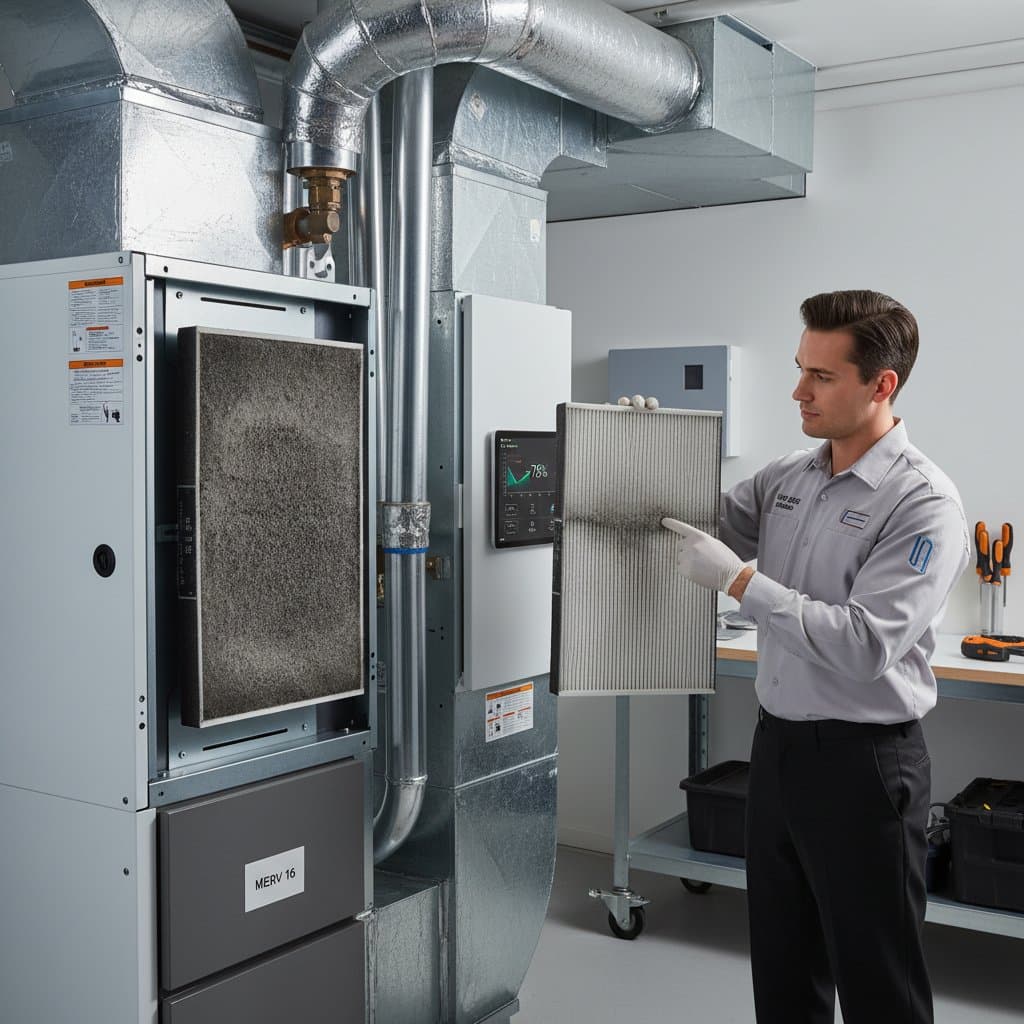
Why 2026 HVAC Models Need Monthly Filter Changes
A home never feels truly comfortable when the air feels dusty or the system runs louder than usual. Many homeowners discover that the latest HVAC systems require more frequent filter changes than older models. These advanced units achieve higher efficiency and tighter air quality control. As a result, the air filters work harder and need attention more often.
The Quick Answer
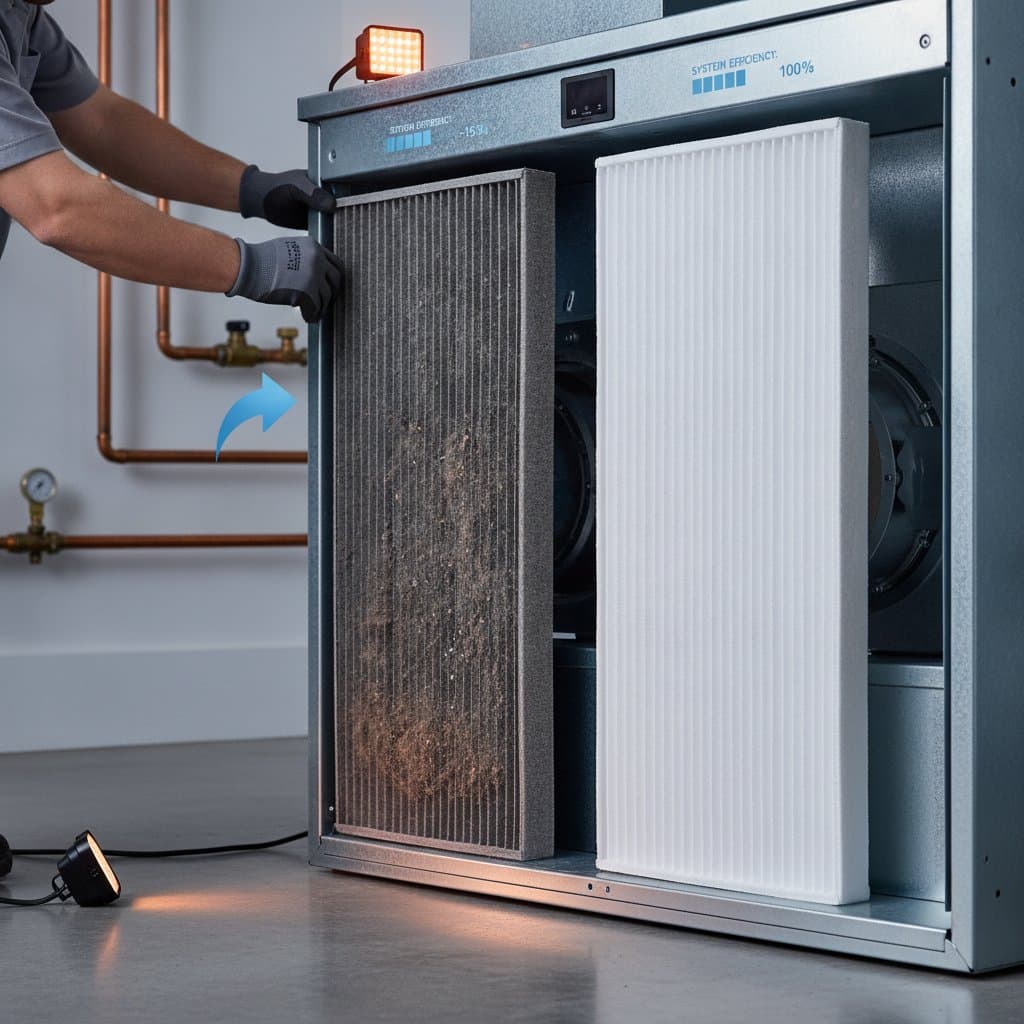
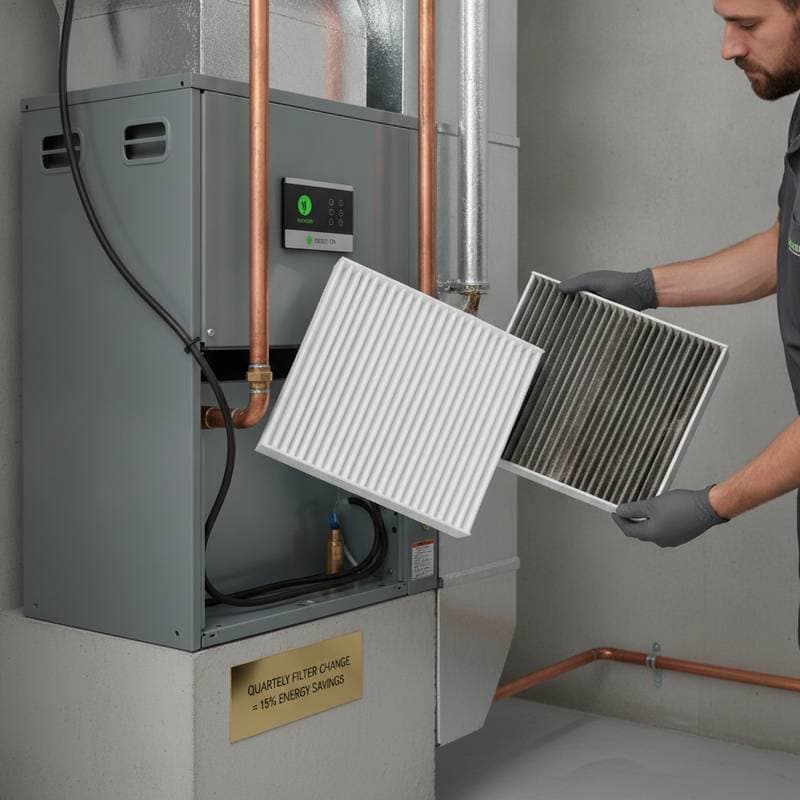
Owners of new high-efficiency HVAC systems should replace or clean the filter every month. The practice of quarterly changes no longer applies. These systems move air through finer, denser filters that trap more particles yet clog faster. Neglecting the monthly change can reduce efficiency by up to 15 percent, shorten blower motor life, and lower indoor air quality.
Why Monthly Changes Matter
Modern HVAC models meet stricter energy and air quality standards. Manufacturers therefore use multi-stage filtration that captures particles as small as 0.3 microns. Dust, pollen, and smoke particles become trapped, yet the filter loads faster.
A clogged filter reduces airflow and forces the fan to run longer. Temperature regulation also becomes uneven. Rooms farthest from the blower may feel warmer or cooler than others. Monthly replacement maintains consistent airflow and predictable energy use.
Recommended Filter Sizes and Ratings
Most residential systems use filters that measure 16x20 inches, 20x25 inches, or 14x30 inches. Always check the system manual before purchasing replacements. The MERV rating determines mesh fineness. The following guide summarizes options:
- MERV 6 to 8 captures lint, dust, and pet hair in standard homes without allergies.
- MERV 9 to 12 traps pollen and mold spores in homes with pets or mild allergies.
- MERV 13 to 16 captures bacteria and smoke for families with respiratory issues.
New HVAC models are calibrated for MERV 11 to 13 filters. Keep these filters clean to avoid strain on the blower motor.
How to Change the Filter the Right Way
Filter replacement takes less than five minutes when performed correctly.
- Turn off power at the thermostat or breaker.
- Locate the filter slot near the blower compartment or return air vent.
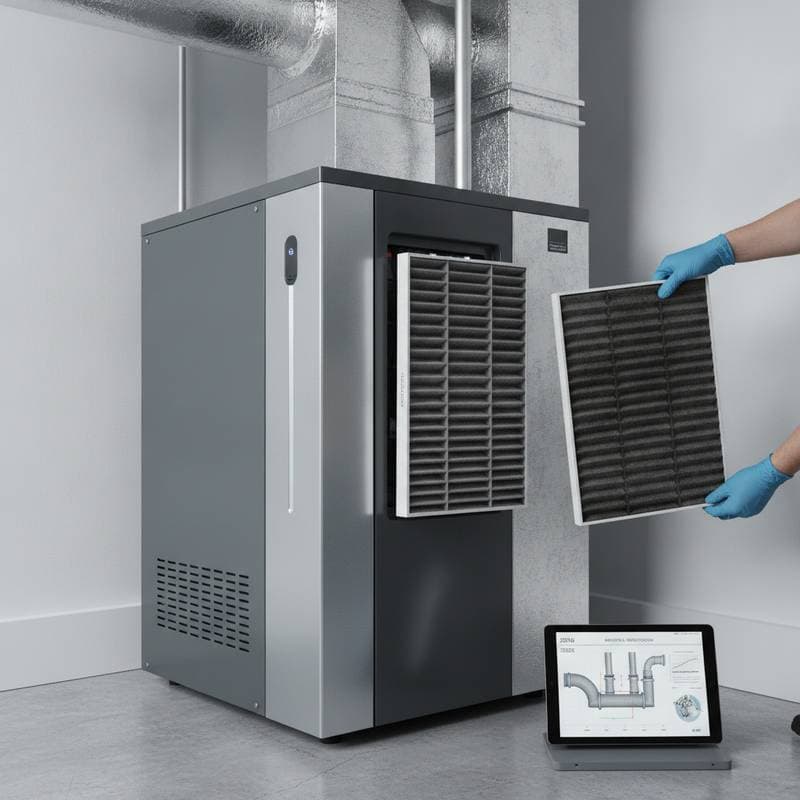
- Slide out the old filter carefully to avoid releasing trapped dust.
- Check airflow direction arrows on the new filter and insert it facing the correct direction.
- Record the date on the filter frame with a marker.
Rinse reusable filters with warm water, allow complete drying, and reinstall. Never return a damp filter to the system.
Common Mistakes to Avoid
Homeowners often shorten system lifespan by overlooking basic maintenance. Watch for these errors:
- Delaying replacement until airflow slows noticeably.
- Using the wrong size filter that leaves gaps around the edges.
- Selecting a filter with an excessively high MERV rating for the fan strength.
- Reinstalling an old or damp reusable filter.
- Ignoring noise or airflow changes that indicate clogging.
Avoiding these mistakes preserves efficiency and stabilizes energy bills.
Cost and Maintenance Considerations
A typical pleated filter costs between 10 and 40 dollars depending on size and rating. Annual monthly replacements total roughly 120 to 480 dollars. This expense remains modest compared with a 2,500-dollar repair for a burned-out blower motor or coil. Regular changes represent the most economical protection for the HVAC system.
Subscription filter services deliver the correct size and rating each month. This option removes guesswork and prevents missed changes.
Accessibility and Air Quality Benefits
Monthly changes provide extra value for individuals with allergies or respiratory conditions. Clean filters minimize airborne irritants and reduce sneezing, coughing, and sinus discomfort.
When to Call a Professional
Persistent temperature control issues after filter replacement may indicate a need for deeper cleaning. A licensed technician can inspect coils, ducts, and the blower assembly.
Sustaining Long-Term System Health
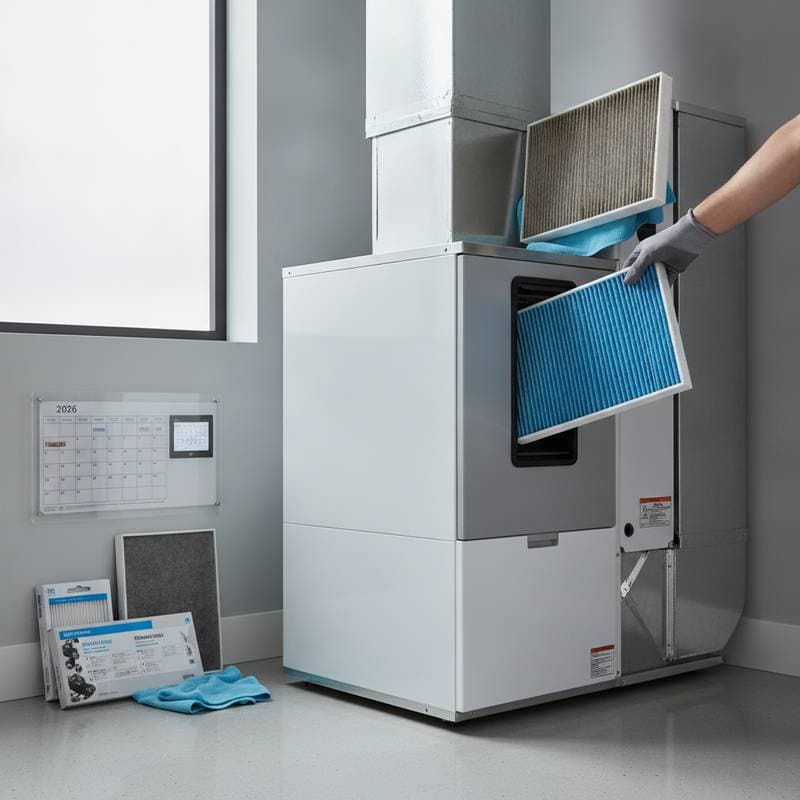
View the filter as the primary defense for the entire system. Mark the calendar or set a recurring phone reminder for the same day each month. Store an extra filter to avoid skipping a cycle. Over time the system delivers steadier airflow, quieter operation, and cleaner indoor air.