Fall Chimney Maintenance to Prep for Winter Fires
A warm fire on a cold evening brings comfort to any home. Before lighting the first fire of the season, the chimney requires inspection, cleaning, and preparation. Fall provides the ideal window for this work. Proper maintenance protects against fire hazards while supporting efficient operation throughout winter.
Understanding Chimney Maintenance Costs
Homeowners often want to know the price of chimney care before beginning. Costs depend on service type, chimney size, and whether the work is handled personally or by a professional.
DIY Chimney Maintenance Costs
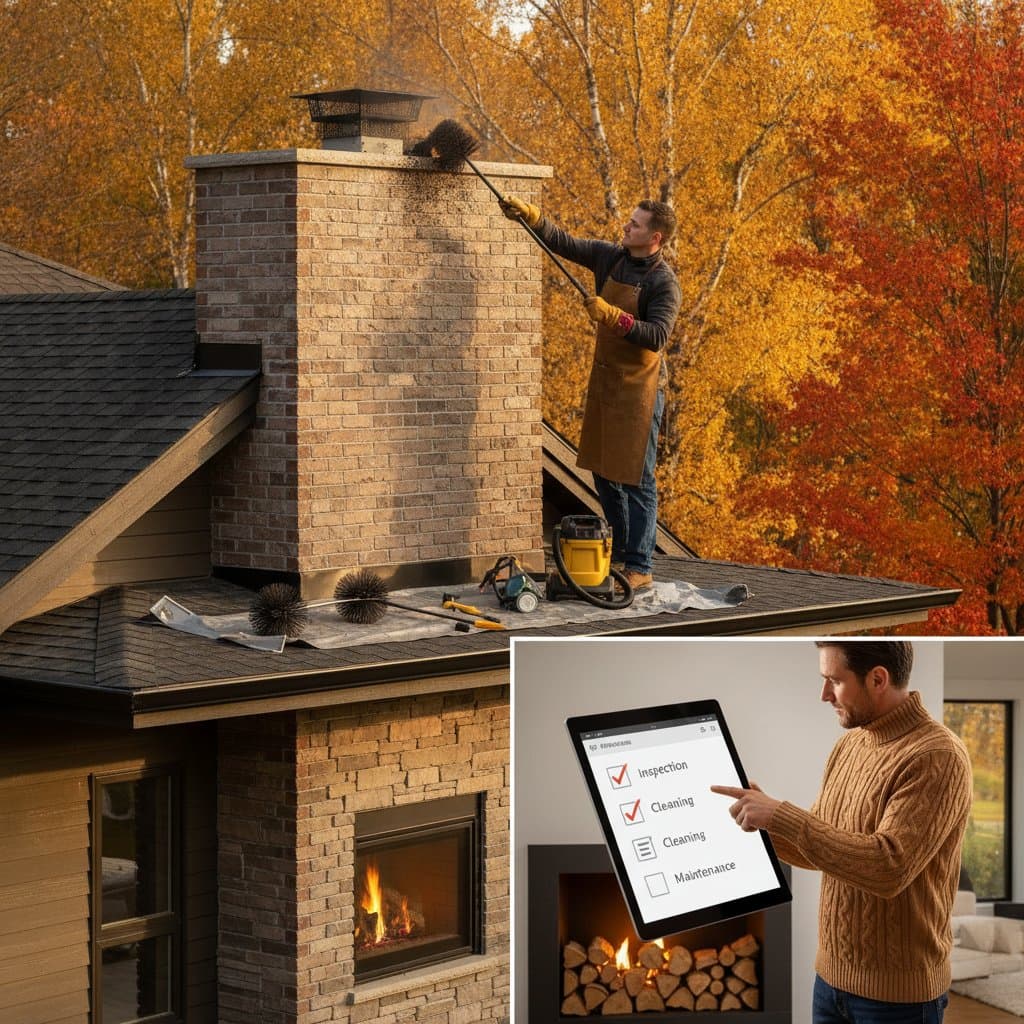
Basic upkeep performed by the homeowner requires several supplies. A chimney brush and rods represent a modest investment similar to other home tools. A shop vacuum or ash vacuum adds a mid-range expense based on power and filtration. Protective items such as gloves, a mask, and goggles remain essential. Sealant or caulking addresses minor exterior cracks.
DIY cleaning demands time, effort, and careful attention. A sturdy ladder, drop cloths, and a secure workspace are also necessary. Limited experience increases the chance of incomplete soot removal or overlooked damage.
Professional Chimney Cleaning and Inspection Costs
Professional service usually combines cleaning with inspection. A standard cleaning removes soot and creosote. A level one inspection examines visible chimney and fireplace components. A level two inspection employs cameras to evaluate interior flues and concealed issues.
Prices fluctuate with chimney height, roof access, and existing condition. Additional repairs such as damper replacement or masonry fixes increase the total. Annual maintenance packages often provide better value for consistent safety.
Factors That Influence Pricing
Several elements determine final cost. Chimney height and complexity play a major role. Heavy creosote accumulation requires more labor. Roof accessibility and the presence of nests or debris also affect the quote. Early fall scheduling frequently reduces rates because demand remains lower before peak heating season.
Choosing Between DIY and Professional Service
The decision rests on experience level, available equipment, and comfort with the required tasks. Chimney work involves more than surface cleaning. It requires knowledge of airflow, damage detection, and safe system operation.
Advantages and Limitations of Each Approach
DIY offers lower immediate expense and control over schedule. It also provides personal satisfaction from completing the task. However, safety risks rise when working at height or handling soot. Hidden structural problems often go unnoticed without specialized tools.
Professional service supplies certified expertise and thorough documentation. Camera inspections and proper equipment improve results. The higher cost and need for advance booking represent the main drawbacks. Provider quality varies, so verification of credentials remains important.
Skill and Safety Requirements
DIY cleaning calls for moderate skill and comfort with ladders. Proper ladder securing and correct brush technique are necessary. Any sign of cracks, loose bricks, or thick creosote layers warrants an immediate call to a professional.
Answers to Common Chimney Questions
Industry experts respond to frequent homeowner inquiries.
How often should a chimney receive cleaning? Most specialists advise annual cleaning before heating season. Heavy use may justify an additional mid-season service.
What is creosote and why does it matter? Creosote forms as a flammable residue when wood smoke cools inside the flue. Regular removal prevents chimney fires.
Do gas fireplaces require maintenance? Yes. Although they produce less soot, debris and moisture can still accumulate. Annual inspection keeps vents clear.
What signs indicate cleaning is needed? Strong odors, weak draft, visible soot, or nesting materials all point to required attention.
What does a professional inspection cover? The process examines the cap, liner, flue, damper, and masonry for blockages, cracks, and moisture damage.
Are permits required for chimney work? Minor cleaning rarely needs permits. Major repairs may require local approval.
How can nesting animals be prevented? A chimney cap fitted with a wire screen blocks birds and squirrels. Inspect the cap each fall.
Which wood burns most cleanly? Seasoned oak or maple produces less creosote than softwoods or wet wood.
How should the fireplace be prepared for cleaning? Remove ashes and grates. Protect the hearth with a tarp and open the damper for ventilation.
What happens when annual maintenance is skipped? Smoke issues, reduced efficiency, and fire risk increase. Preventive care costs less than emergency repairs.
Step-by-Step Decision Guide
A structured process helps determine the best course of action.
- Assess chimney condition and usage frequency. Regular wood burning or visible buildup favors professional cleaning.
- Evaluate personal comfort with heights and soot handling. Lack of confidence supports hiring help.
- Compare true costs including tools, time, and potential repair risks. Professional service often prevents larger future expenses.
- Review insurance requirements. Many policies request proof of annual inspection that only certified work can supply.
- Make the final choice based on chimney age and usage patterns. Newer, lightly used chimneys may allow simple DIY care.
Winter Maintenance Practices
Burn only dry, seasoned wood. Keep the damper closed when the fireplace is unused. Remove ashes on a regular schedule. Schedule a mid-season inspection during periods of daily use.
Benefits of Timely Preparation
Consistent fall attention reduces fire risk and improves heating performance. Homeowners gain peace of mind and avoid unexpected repair costs during cold months. Regular care also supports better indoor air quality and extends chimney lifespan.