
Essential HVAC Filter Changes for Each Season
Your HVAC system works quietly in the background. It keeps your home comfortable through every seasonal shift. One simple task keeps it running efficiently and cleanly. That task is changing the air filter.
Ignoring this small component can lead to higher energy bills. It can also cause uneven temperatures and poor indoor air quality. A well timed filter replacement keeps your system healthy. It extends its life and ensures that your family breathes cleaner air.
Every season brings different demands on your HVAC system. Dust, pollen, humidity, and temperature fluctuations influence how hard your unit works. Adjusting your filter change schedule to match the seasons maintains peak performance.
Spring: Managing Pollen and Dust
Spring is when your HVAC system transitions from heating to cooling. Outdoor allergens also peak during this time. Pollen, dust, and spores find their way indoors through open windows and air leaks. This activity puts extra strain on your system.
Filter Type and Frequency
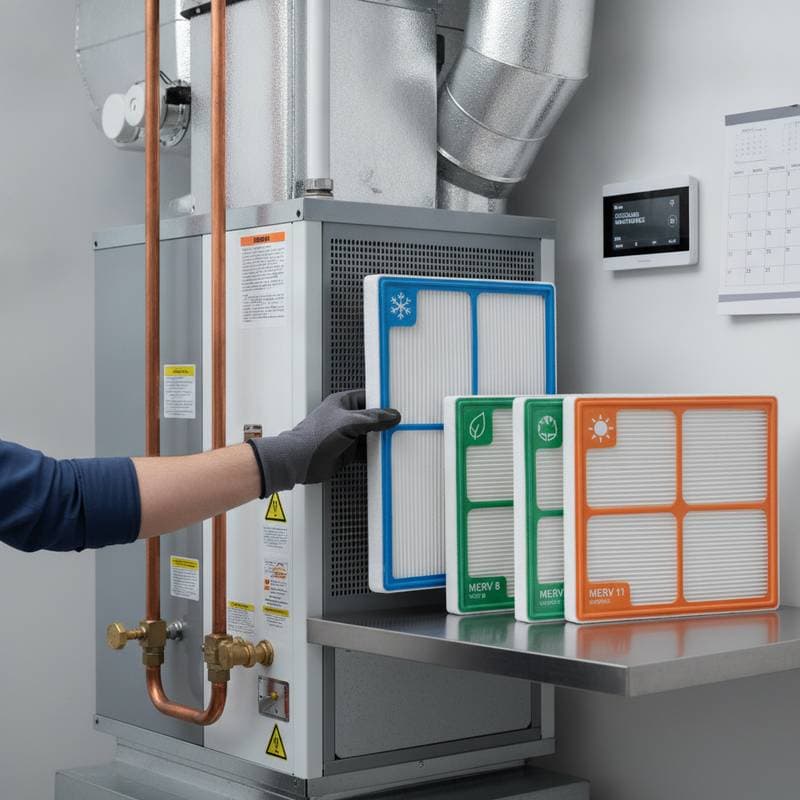
A pleated filter with a MERV rating between 8 and 11 is usually ideal for spring. This rating captures smaller particles like pollen and mold without restricting airflow. In areas with heavy pollen, change the filter every 30 days to maintain clean airflow.
If your home uses a reusable filter, rinse it thoroughly with a garden hose. Let it dry completely before reinstalling. Never use detergents or high pressure sprays. These products can degrade the filter fibers.
Cost and Maintenance Tips
Replacement filters range from 10 to 25 dollars depending on thickness and brand. Mark your calendar at the start of spring and again midway through the season. This habit reminds you to check the filter. Vacuum around return vents to reduce dust buildup. Inspect the outdoor condenser unit for leaves or debris.
Fall: Preparing for Heating Season
Temperatures cool and the HVAC system shifts back toward heating. Leaves, dust, and outdoor debris often enter the system during this transition. Filters that sat through summer may already be near capacity. This situation creates an ideal time for replacement.
Filter Type and Frequency
A medium efficiency pleated filter rated MERV 8 to 10 suits most fall conditions. It effectively traps dust and fine debris without putting too much strain on the blower motor. Replace filters every 60 days during fall unless you have pets or use a fireplace frequently. Both factors increase airborne particulates.
If you use a whole house humidifier, make sure it is clean before the heating season begins. A dirty humidifier can introduce minerals and mold into the air. Your filter will then need to trap these particles.
Cost and Maintenance Tips
Fall filters usually cost 10 to 20 dollars each. Take this opportunity to vacuum registers. Inspect ductwork for leaks and check insulation around attic ducts. A clean filter at the start of the heating season prevents musty smells when the furnace first cycles on.
Choosing the Right Filter for Every Season
Filters vary widely in material, efficiency, and price. The right choice depends on your household needs, HVAC system design, and local air quality.
Fiberglass filters are inexpensive and disposable. They cost around 5 dollars each but capture only large particles. They suit systems that require frequent changes or homes without allergy concerns.
Pleated polyester filters cost 10 to 20 dollars and offer moderate filtration for dust and pollen. These are the most common choice for balancing cost and performance.
Electrostatic filters and HEPA style filters provide top tier filtration. They may restrict airflow in older systems. Always check your HVAC manual before upgrading to a high efficiency model.
Some smart thermostats include filter change reminders based on system runtime. These alerts make seasonal maintenance easier to track.
Pro Tips for Success
Consistent maintenance habits protect your HVAC investment. Try these practical methods to stay on top of filter changes.
- Create a seasonal checklist. Add filter replacement alongside other home tasks like gutter cleaning and smoke detector checks.
- Buy filters in bulk. Purchasing a year supply at once can save money and ensure you always have a spare.
- Label each filter box. Write the installation date on the frame with a marker to track intervals easily.
- Store filters flat and dry. Humidity can warp or weaken the fibers before you even install them.
- Vacuum intake vents monthly. Cleaner vents reduce the load on your filter and extend its service life.
Building Long Term System Reliability
Seasonal filter changes are among the simplest ways to keep your HVAC system efficient, reliable, and safe. Each clean filter improves airflow. It reduces strain on mechanical components and keeps dust and allergens under control.
Timing your filter swaps with the changing seasons extends the life of your system. It maintains consistent comfort throughout the year. Combine this routine with annual inspections, clean vents, and proper humidity control. These steps build a long term maintenance plan that protects your home air quality and energy efficiency.




