Get HVAC Filter Timing Right for Fall Maintenance
As the weather cools and your home transitions from air conditioning to heating, your HVAC system begins to work in a different way. Fall is the perfect time to prepare your system for the heavier demands of the colder months. One of the most overlooked yet essential tasks is changing your HVAC filter on schedule.
Getting the timing right can make a noticeable difference in your comfort, energy efficiency, and indoor air quality throughout the season. This guide explains how to manage your HVAC filter replacement schedule for fall, why timing matters, and how to decide between DIY and professional maintenance.
Understanding HVAC Filter Costs and Timing
The cost of maintaining your HVAC filter depends on several factors, including the filter type, system size, and how often your unit operates. While replacing a filter is one of the most affordable maintenance tasks in home care, ignoring it can lead to expensive problems.
DIY Filter Replacement Costs
Replacing your filter yourself usually costs between 10 and 60 dollars per filter, depending on the quality and size. Standard fiberglass filters are inexpensive but need to be replaced more often. Pleated or high-efficiency filters are more costly but last longer and capture smaller particles.
You should also account for small expenses such as gloves or cleaning supplies. The time investment is minimal, usually around 10 to 15 minutes, but it requires attention to detail to ensure the filter fits correctly and the airflow direction is right.
Professional Maintenance Costs
If you prefer to have a technician handle your HVAC maintenance, a professional visit typically costs 75 to 200 dollars. This price often includes a full system inspection, cleaning, and filter replacement. Many homeowners choose professional service in the fall since it ensures the system is ready for winter and that any hidden issues are caught early.
Factors That Affect Filter Timing
Several variables influence how often you should replace your filter. Homes that run their HVAC system daily may need filter changes every 30 to 60 days. Pet hair and dander quickly clog filters, reducing airflow. Households with allergy sufferers benefit from more frequent changes.
Dusty or smoky environments shorten filter life. High-efficiency filters can last up to six months, while basic ones may need monthly replacement. The key is to check your filter regularly and adjust timing based on what you see. A visibly dirty or gray filter means it is time for a replacement, no matter the calendar.
When DIY Might Save Money
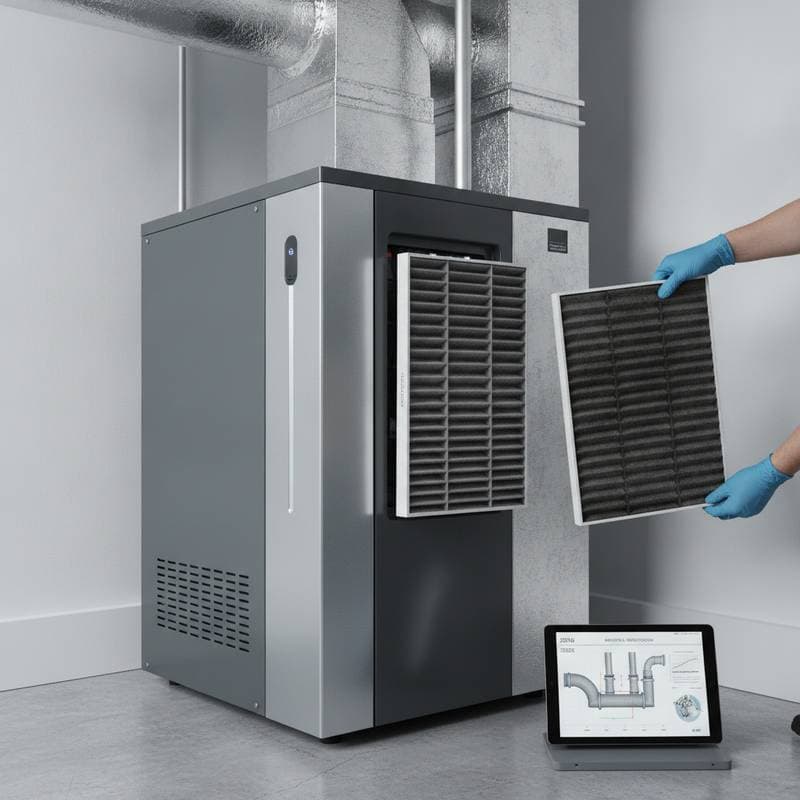
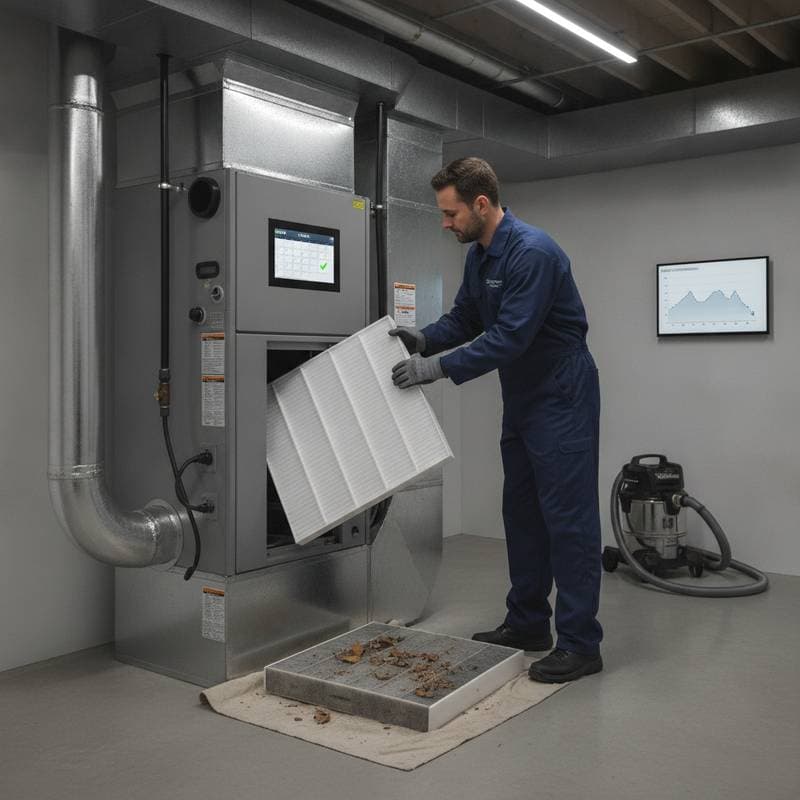
If you are comfortable accessing your HVAC unit and know which filter to use, DIY replacement can save money. It is simple, quick, and requires no specialized tools. Just remember to switch off the system before removing the old filter, check airflow direction arrows, and note the date of replacement for future reference.
When Waiting Costs More
Delaying filter changes can cause your HVAC system to work harder, leading to higher utility bills and potential damage to the blower or coils. It can also make your home feel less comfortable because airflow becomes restricted. A neglected filter is one of the most common reasons for premature system failure.
DIY vs Professional: Making the Right Choice
Choosing between DIY and professional service depends on your comfort level and the condition of your system. Both options have benefits and drawbacks.
Benefits of DIY Replacement
You only pay for the filter. It can be done anytime without scheduling an appointment. You gain a better understanding of your system.
Drawbacks of DIY Replacement
Using the wrong filter size or installing it backward can reduce efficiency. Without a professional inspection, small problems may go unnoticed. You may not address dirt buildup in ducts or coils.
Benefits of Professional Service
Technicians check airflow, thermostats, and system components. Professionals verify that your system runs at peak performance. You know your system is ready for the colder months.
Drawbacks of Professional Service
Service calls include labor and inspection fees. Appointment availability can be tight during seasonal peaks.
Skill Level and Tools Needed for DIY
Basic DIY replacement requires minimal skill. You will need a correctly sized replacement filter, a flashlight, possibly a screwdriver if your panel is secured, and a marker to note the date on the filter frame.
Safety Considerations
Always turn off your HVAC system before changing the filter. Avoid touching electrical components or loose wiring. If you smell burning or notice condensation inside the unit, call a professional immediately.
Time Commitment Comparison
DIY replacement takes about 15 minutes, while a professional tune-up can take one to two hours. The extra time from a technician is often worthwhile if your system has not been serviced recently.
Your HVAC Filter Questions, Answered
Answers to commonly asked questions from industry experts.
How often should I replace my HVAC filter in the fall?
Most homes benefit from replacing filters every 60 to 90 days. If you have pets or allergies, every 30 to 45 days is better.
How do I know which filter size to buy?
Check your current filter frame for printed measurements, or review your HVAC manual. Always match the size exactly.
What happens if I forget to replace the filter?
A dirty filter restricts airflow, increases energy use, and can damage your system. It also reduces indoor air quality, making your home feel stuffy.
Are expensive filters worth it?
Premium filters capture smaller particles and last longer, but they do not replace regular maintenance. Choose based on your home needs, not just the price.
Can I clean and reuse my filter?
Only reusable filters are designed for cleaning. Disposable filters must be replaced, not washed or vacuumed.
Does filter direction matter?
Yes. Each filter has arrows showing the correct airflow direction. Installing it backward reduces performance.
Should I replace my filter before or after professional maintenance?
Replace it before if it is very dirty, or after if your technician provides a new one as part of the service.
Are thicker filters better?
Thicker filters capture more debris and last longer, but not all systems support them. Check your owner manual before switching sizes.
Can a clogged filter cause my system to shut down?
Yes. Many modern HVAC units automatically shut off when airflow is too restricted to prevent overheating.
How can I remember when to change my filter?
Set reminders on your phone or mark changes on a wall calendar. Some smart thermostats send automatic alerts.
Should I change my filter before turning on the heat for the first time?
Yes. Dust and debris from summer can clog the system, so start the heating season with a fresh filter.
Do I need a professional inspection every fall?
Yes. An annual inspection helps identify issues early, improves efficiency, and ensures safe operation.
How does filter quality affect air quality?
High-quality filters trap fine particles like pollen and smoke, improving indoor air and reducing allergy symptoms.
What should I ask a technician during a fall tune-up?
Ask about airflow readings, duct cleanliness, and the type of filter best suited for your system.
How to Decide: Your Step-by-Step Guide
Step 1: Assess Your Situation
Consider your household size, pets, and health conditions. If you notice more dust or allergies, more frequent changes are needed.
Step 2: Evaluate Your Skills and Resources
If you are comfortable accessing your HVAC system and following basic instructions, DIY replacement is simple. If not, schedule a service visit.
Step 3: Calculate True Costs
Include not just the filter price but also the potential cost of energy loss or repairs from neglect. A regular schedule saves money over time.
Step 4: Assess Risk
If your system is old or has shown signs of strain, professional maintenance is safer. Technicians can check for leaks, corrosion, or motor issues.
Maintain Peak Performance All Season
Follow a consistent filter schedule and combine it with annual professional checks. This approach keeps energy costs down, protects equipment, and maintains healthy indoor air throughout fall and winter.