Top Mini-Split ACs for Energy-Efficient Home Cooling
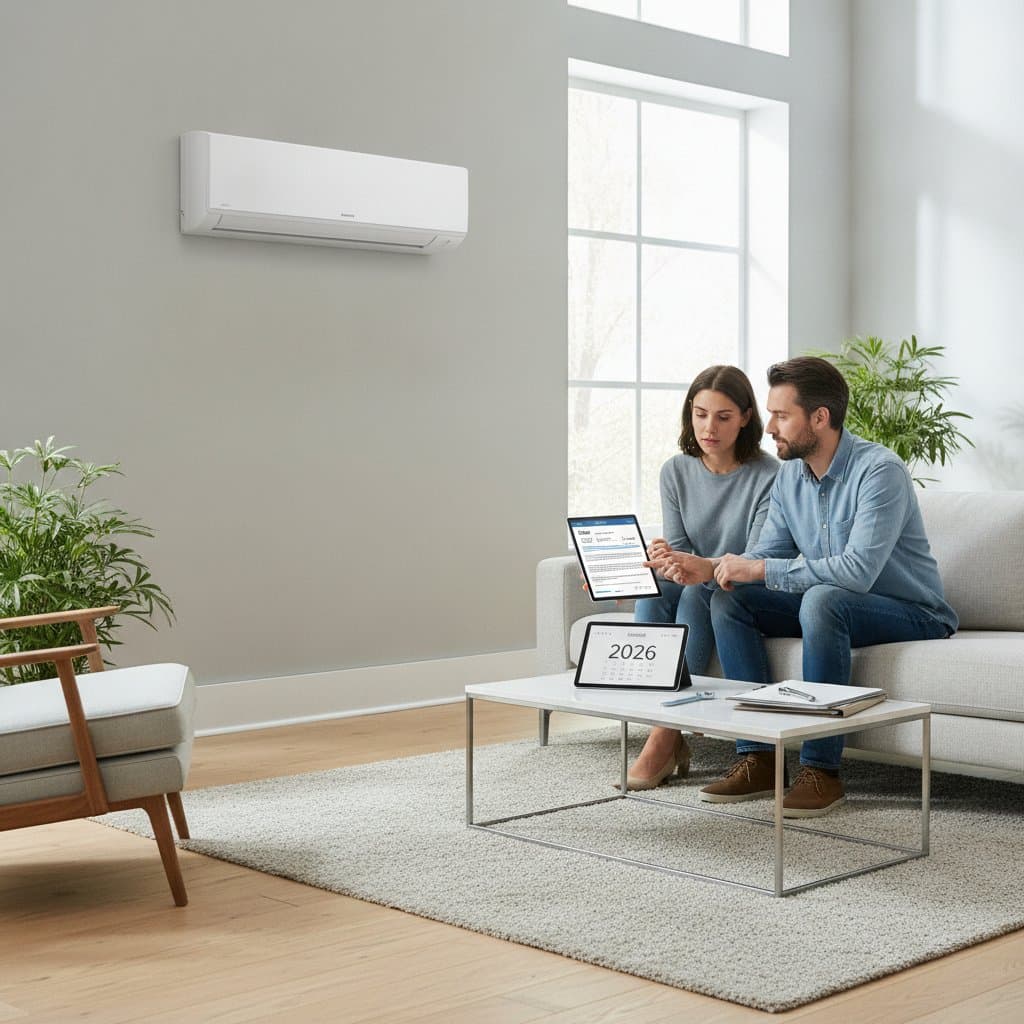
Keeping a home cool without raising energy bills becomes straightforward with a mini-split air conditioning system. These ductless units deliver cooling to specific zones. They reduce waste by operating only where needed.
Homeowners gain flexibility when upgrading from window units or cooling additions. This guide explains key features of energy-efficient models and outlines selection criteria.
How Mini-Split Systems Work
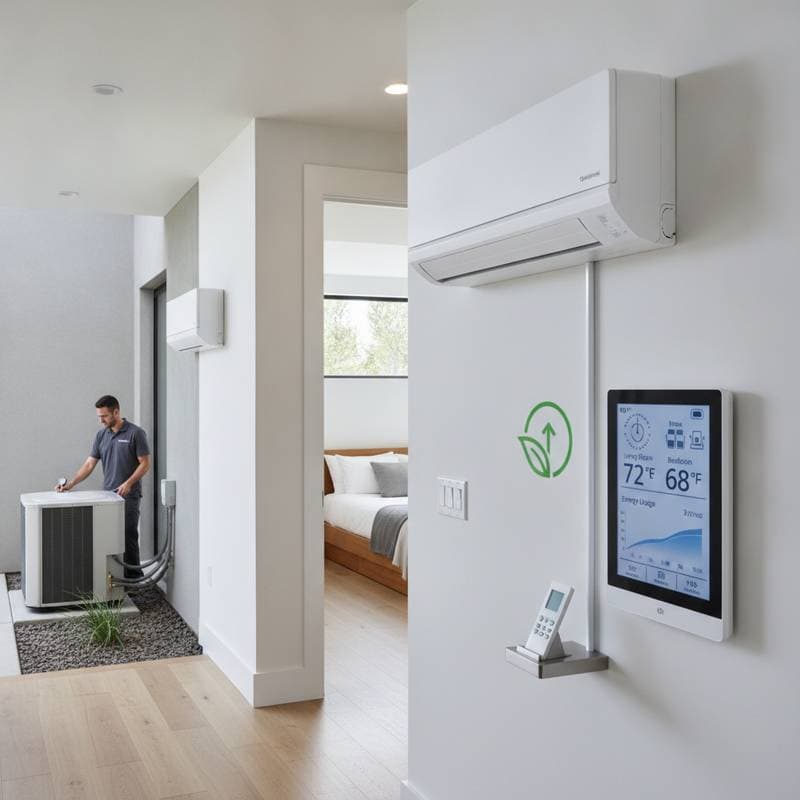
Each system includes an outdoor compressor paired with one or more indoor air handlers. Refrigerant lines pass through a small wall opening to connect the components. The design eliminates ductwork and allows direct cooling of chosen areas.
Advantages of Ductless Units
- Energy efficiency improves because the system avoids duct losses and uses variable-speed compressors.
- Zoned cooling permits separate temperature settings for each room.
- Indoor units operate at low sound levels.
- Installation requires only minor wall penetrations.
- Many models provide both cooling and heating through heat pump technology.
These characteristics support lower operating costs and consistent comfort.
Selecting Efficient Models
Compare units by seasonal energy efficiency ratio ratings. Higher values correspond to reduced electricity consumption. Inverter-driven compressors maintain steady temperatures with less cycling.
Single-Zone Configurations
Single-zone units suit one room or a small suite. Models rated above 20 SEER cool effectively while using minimal power. They fit spaces such as home offices or bedrooms.
Multi-Zone Configurations
Multi-zone systems connect several indoor units to a single outdoor compressor. They accommodate homes with different cooling demands across floors or room types. Up to four or more zones can run on independent schedules.
Connected and Low-Noise Options
Wi-Fi-enabled units allow remote adjustments through mobile applications. Users can raise or lower temperatures before arriving home. Some models also log energy data for review.
Units rated below 20 decibels suit bedrooms and study areas. They maintain performance without audible distraction.
Financial Considerations
Initial costs exceed those of window units. Savings appear over time through lower electricity use and the absence of duct leakage. A single-zone installation typically requires the smallest outlay. Multi-zone setups cost more at the start yet offer greater control.
Steps for Proper Selection
- Calculate room dimensions to match BTU capacity to each zone.
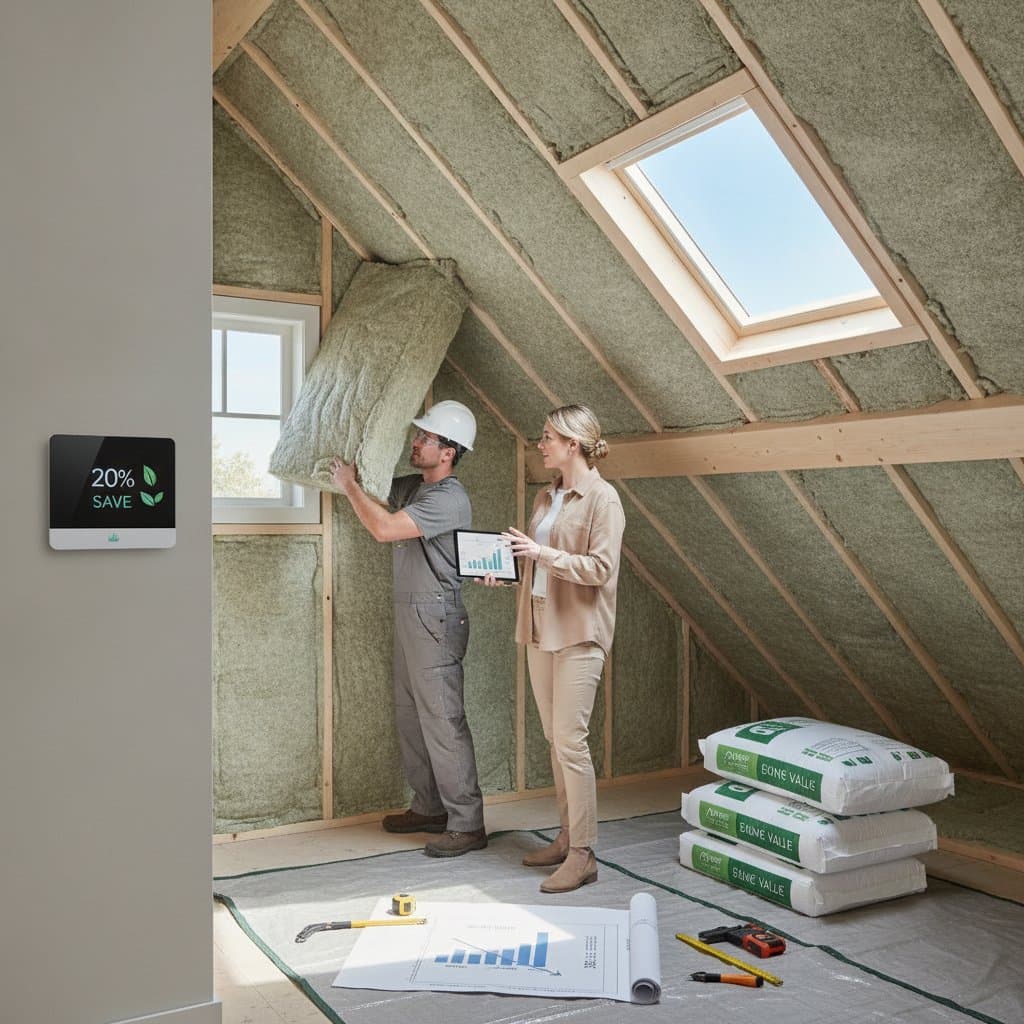
- Assess insulation quality and window condition to estimate cooling load.
- Review local climate data to decide on heat pump capability.
- Identify desired controls such as app access or occupancy sensors.
- Engage a qualified technician for load calculations and placement recommendations.
Correct sizing prevents short cycling and preserves efficiency.
Routine Care Practices
Clean or replace filters on a regular schedule. Clear debris from the outdoor cabinet. Arrange annual professional inspections to sustain performance.
Practices That Improve Results
- Activate cooling only in occupied zones.
- Maintain steady temperature settings rather than frequent adjustments.
- Seal openings around doors and windows.
- Run ceiling fans to distribute air evenly.
- Review usage reports from system controls or connected apps.
Consistent application of these steps supports steady comfort and reduced consumption.
Planning an Installation
A properly sized and maintained mini-split system supplies targeted cooling with measurable energy reductions. Focus on verified efficiency ratings, appropriate zoning, and scheduled service to achieve reliable operation across seasons.