Discover the Benefits of Crawl Space Encapsulation in 2026
Many homeowners overlook the area beneath their homes. Yet the crawl space influences comfort, air quality, and structural stability. Crawl space encapsulation controls moisture, reduces energy costs, and extends the life of flooring systems. Modern materials and improved installation techniques deliver long-term benefits that extend beyond basic waterproofing.
Understanding Crawl Space Encapsulation
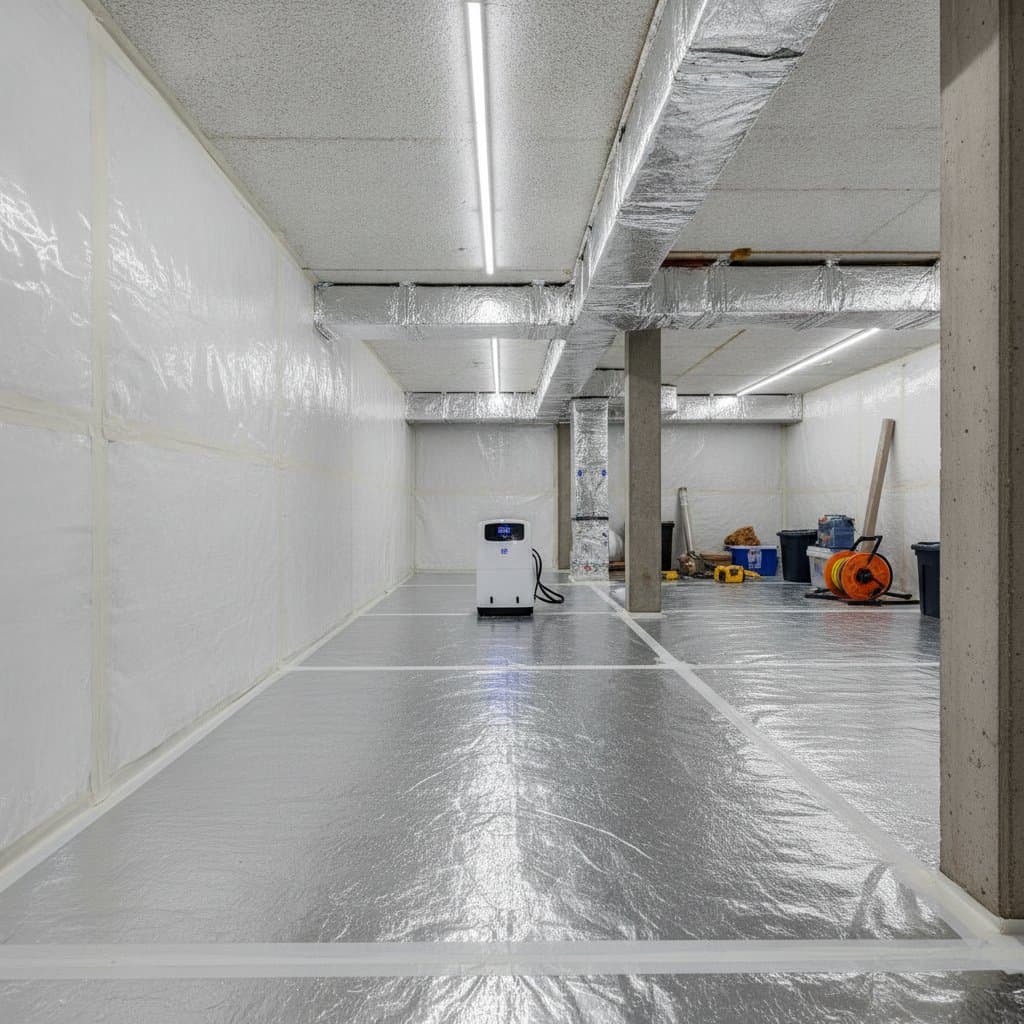
Crawl space encapsulation seals the entire area under a home with a durable vapor barrier. The process lines the foundation walls and floor with heavy-duty polyethylene sheets, seals vents, insulates walls, and adds a dehumidifier or ventilation system. The goal is a clean, dry, and controlled environment that prevents moisture from entering through soil or foundation.
Most professional installations use vapor barriers between 12 and 20 mils thick. Thicker liners resist punctures and humidity better than thinner materials. The encapsulation process converts a damp, dusty area into a usable, conditioned space.
The Hidden Problems of an Unsealed Crawl Space
An unsealed crawl space traps moisture that seeps through soil or foundation cracks. This dampness encourages mold, mildew, and wood rot that weaken joists and beams. Over time these issues produce sagging floors and musty odors that rise into living areas. Homeowners frequently report that sealing their crawl spaces removed persistent odors they had masked with air fresheners for years.
Uncontrolled moisture also attracts termites, rodents, and insects. Termites thrive in humid environments and cause severe structural damage before discovery. Pest control experts recommend encapsulation as a proactive defense because a sealed space removes the moist habitat these pests require.
Moisture in the crawl space affects indoor air quality as well. Warm air rises through the house and pulls air from lower levels upward. Encapsulation stops the movement of contaminated air and improves overall indoor comfort.
Key Benefits of Crawl Space Encapsulation
Moisture Control
A sealed barrier blocks ground vapor and prevents condensation. When paired with a dehumidifier, humidity levels stay between 45 and 55 percent year-round. This prevents mold growth and wood decay while preserving structural integrity.
Energy Efficiency
Sealing reduces airflow between the ground and living areas above. Indoor temperatures stabilize, so heating and cooling systems operate more efficiently. Homeowners commonly cut energy usage by up to 20 percent after encapsulation because HVAC systems run less often.
Improved Indoor Air Quality
Encapsulation prevents damp, contaminated air from entering living areas. Families with allergies or respiratory sensitivities often notice clearer air. Airborne mold spores and dust mites cannot thrive once humidity is controlled.
Structural Protection
Wood beams, joists, and subfloors suffer from repeated cycles of dampness and drying. Encapsulation stabilizes humidity levels and reduces stress on materials. Some homeowners combine encapsulation with foundation repair to reinforce aging structures.
Pest Prevention
A dry, sealed crawl space becomes inhospitable to termites, ants, and rodents. Many pest control companies include crawl space sealing in integrated pest management plans because it reduces future infestations.
Increased Home Value
A clean, sealed crawl space signals strong maintenance to potential buyers. Real estate agents highlight encapsulation as a premium feature in humid climates. The upgrade can increase resale value and shorten time on the market.
What to Expect During Installation
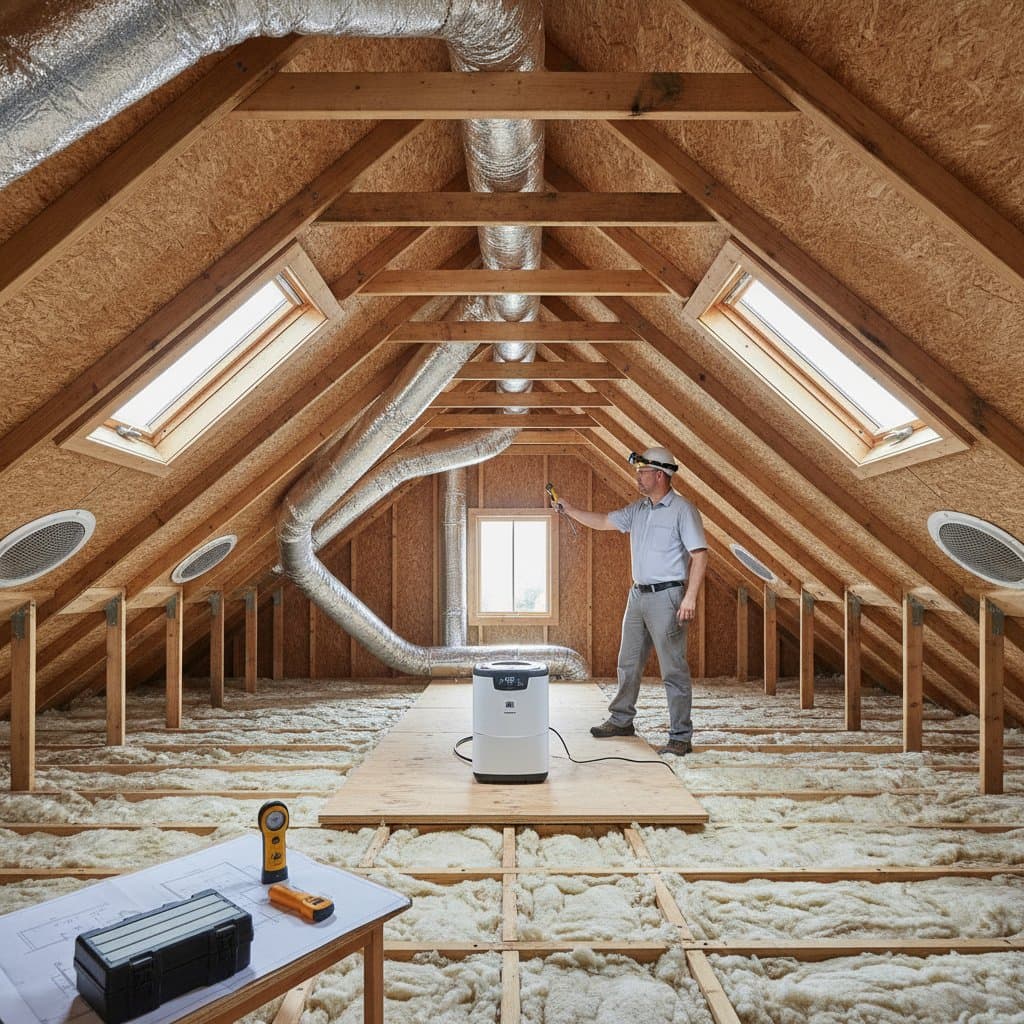
Professional encapsulation usually takes one to three days. Contractors begin with inspection and cleanup, remove debris and standing water, and seal foundation cracks. They lay the vapor barrier across the ground and up the walls, tape or heat-seal seams, and attach it with mechanical fasteners. Rigid foam boards may be added for insulation, vents are sealed, and a dehumidifier is installed.
Considering Costs and Return on Investment
Costs range from 2 to 7 dollars per square foot. An average 1,000-square-foot crawl space costs between 2,000 and 7,000 dollars. Energy savings, reduced repair needs, and lower pest control expenses provide measurable returns that continue over time.
Choosing the Right Contractor
Select contractors certified in waterproofing or mold remediation. Request references and review previous work. A reputable company performs a moisture assessment, explains material choices, and supplies a detailed quote. Avoid partial sealing that can trap moisture and create odors.
Maintenance Tips After Encapsulation
Check the dehumidifier periodically and inspect the vapor barrier once or twice a year for tears. Keep gutters and downspouts clear so water flows away from the foundation. Monitor humidity with a hygrometer and adjust the system if readings exceed 60 percent.
Common Mistakes to Avoid
Thin plastic sheeting tears easily and offers limited protection. Leaving vents open during humid weather allows damp air to enter. Skipping drainage improvements before encapsulation permits water to bypass the barrier.
Pro Tips for Success
- Test for radon before sealing if local levels are elevated.
- Choose white or light-colored liners to improve visibility during inspections.
- Install a simple LED fixture to make the space usable for storage.
- Keep photos and receipts to support warranty claims and future resale.
Protecting Your Long-Term Investment
Crawl space encapsulation delivers lasting benefits when properly maintained. Regular inspections, clean gutters, and a functioning dehumidifier keep moisture under control. Homeowners who stay proactive report more comfortable indoor conditions, fewer odors, and lower humidity throughout the year.