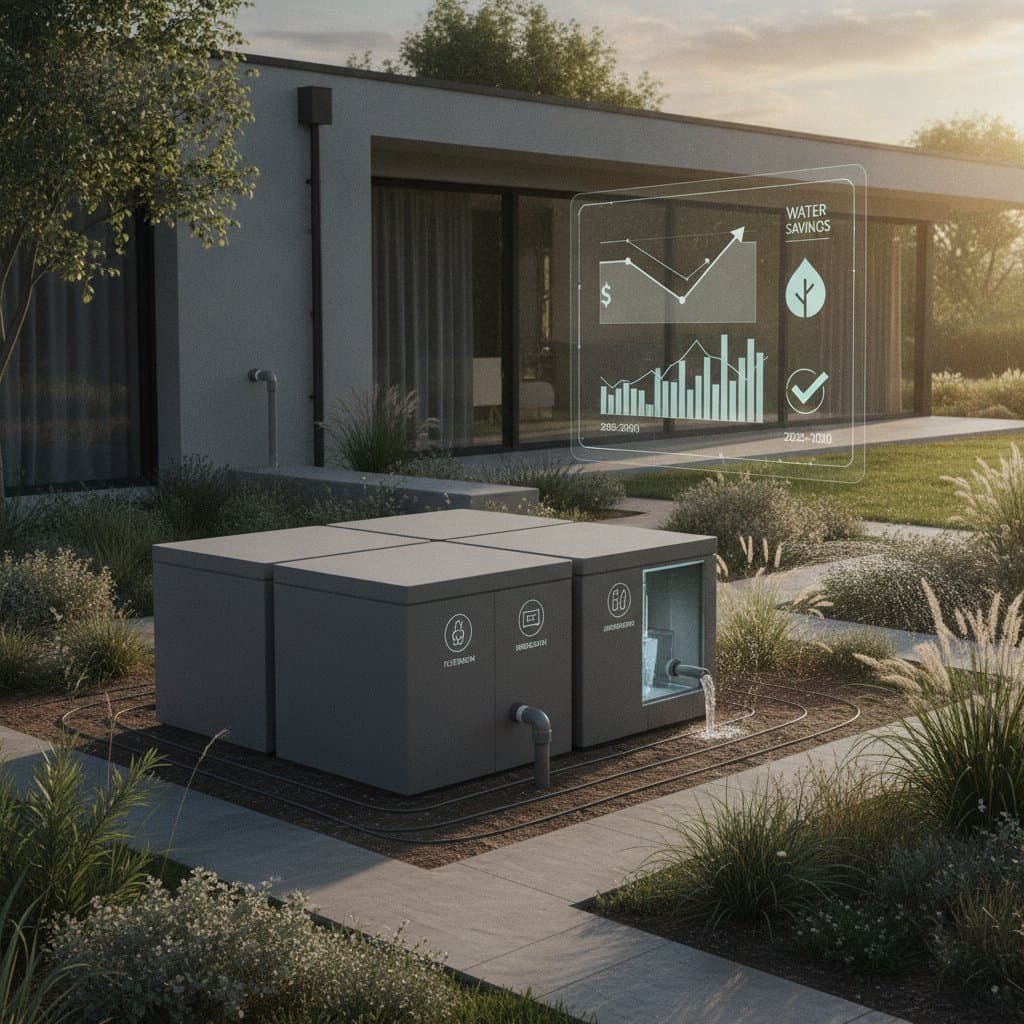
2026 Rebates: Accelerating ROI for Heat Pump Water Heaters
Homeowners seeking to reduce energy expenses and enhance efficiency increasingly consider heat pump water heaters. New rebate programs scheduled for 2026 strengthen the financial case for this upgrade. Lower operating costs, substantial incentives, and extended system durability position these units as a prudent investment. Grasping rebate mechanics, installation expectations, and savings projections equips individuals to determine the optimal timing for adoption.
The Appeal of Heat Pump Water Heaters
Heat pump water heaters employ electricity to transfer heat from surrounding air to the storage tank, bypassing direct heat generation. This method consumes approximately half the energy of conventional electric or gas alternatives, yielding notable reductions in water heating expenses. The U.S. Department of Energy reports annual savings of three hundred to six hundred dollars for typical households, influenced by local utility rates, regional climate, and daily hot water demands. Such efficiency holds steady in diverse residential settings.
These systems align with national sustainability objectives, as various federal and local initiatives promote high-performance electric appliances. In certain areas, adoption qualifies for supplementary rebates or tax credits, compounding advantages and expediting cost recovery. Homeowners benefit from reduced carbon footprints alongside immediate utility bill relief.
Navigating 2026 Rebate Programs
These forthcoming incentives aim to diminish initial investment barriers for efficient water heating solutions. Rebates substantially offset purchase and installation expenses, varying by state and often tied to income levels or projected energy reductions. A standard household might secure six hundred to two thousand dollars in direct rebates upon installing a qualifying heat pump model.
Utility providers frequently supplement with performance incentives for documented efficiency gains. Pairing these with manufacturer rebates or promotional offers can halve overall costs. Eligibility requires replacing an outdated electric or gas unit with a certified heat pump, performed by licensed professionals adhering to program standards. Preserve invoices, model certifications, and completion certificates to facilitate rebate processing.
Installation Cost Breakdown
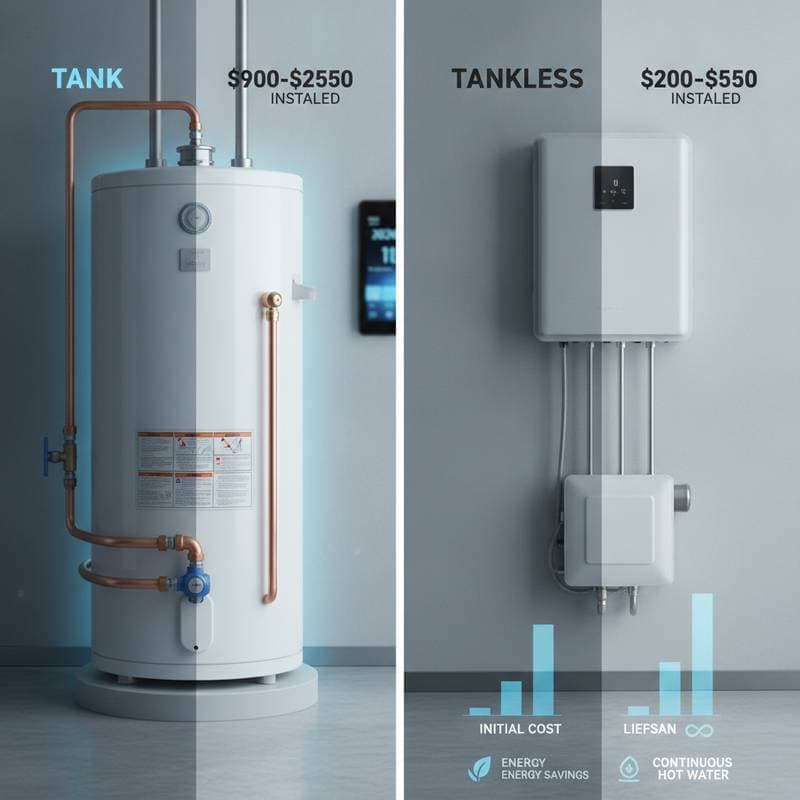
Prior to incentives, expect total installation expenses of two thousand to five thousand dollars, contingent on unit capacity, manufacturer, and property specifics. Primary variables encompass labor, electrical enhancements, and adaptations for ventilation or drainage. Properties with existing infrastructure incur lower fees, whereas aging structures may demand additional modifications.
Regional labor charges span five hundred to one thousand dollars. Electrical circuit additions or condensate line installations contribute another two hundred to five hundred dollars. Inquire with utilities about subsidized services from approved installers to minimize outlays. Optimal placement demands at least one hundred cubic feet of ambient air space, such as in garages or basements, where mild temperatures support peak operation.
In cooler regions, select hybrid variants that integrate heat pump technology with backup electric elements for reliable performance during low temperatures. Professional assessment ensures compatibility and compliance with building codes.
Calculating Return on Investment
ROI emerges from offsetting initial expenditures against annual savings and incentives. A four-person household with a conventional electric tank faces roughly five hundred dollars yearly in water heating costs. Transitioning to a heat pump model trims this by two hundred to three hundred dollars annually, factoring in usage patterns and rates.
Rebates compress payback timelines to three through six years. Apply this structured approach for precise estimation:
-
Tally full installation costs, encompassing labor, materials, and upgrades.
-
Deduct applicable rebates, tax credits, and discounts.
-
Divide net cost by projected yearly energy savings.
This yields the breakeven period. With lifespans of ten to fifteen years, subsequent operation generates unencumbered profits. Track local energy tariffs and consumption habits for refined projections.
Selecting Optimal Heat Pump Models
Available designs include integrated units merging heat pump and tank components, alongside split configurations with external heat pumps and indoor tanks. Climate, available space, and financial constraints guide selection. Integrated models suit compact areas, while splits excel in space-limited or extreme-weather homes.
Evaluate these essential attributes:
-
Energy factor (EF) ratings, where values exceeding 3.0 indicate superior efficiency.
-
Tank capacities from forty to eighty gallons, matched to household needs.
-
Operational noise,fans and compressors.
-
Smart connectivity for remote temperature control and usage analytics.
-
Comprehensive warranties, often ten years on tanks and components.
Leading manufacturers such as Rheem, AO Smith, and Bradford White deliver models praised for reliability and integration with energy monitoring applications. User experiences highlight seamless performance and intuitive controls.
Professional Installation Recommendations
Heat pump installation demands expertise in electrical systems and plumbing. Although skilled individuals occasionally manage independently, professionals guarantee safety and efficacy. Errors in wiring, airflow, or drainage risk suboptimal function or warranty invalidation.
Hire certified experts from NATE or ENERGY STAR programs to meet rebate criteria and local regulations. They assist with sizing, positioning, and fine-tuning. Consult reviews on platforms like Angi or HomeAdvisor to vet candidates, prioritizing those with heat pump specialization.
Addressing Common Challenges
Reliable systems occasionally encounter hurdles like excessive noise, delayed heating, or diagnostic alerts. Vibration-related sounds resolve through bracket securement or anti-vibration pads. Prolonged recovery times stem from energy conservation settings or chilly surroundings; activate hybrid operation for accelerated response.
Sensor or ventilation faults trigger error indicators. Routine filter cleaning and airflow verification typically rectify these. Access manufacturer manuals for step-by-step diagnostics, and leverage app-based notifications for proactive alerts.
Essential Maintenance Practices
Regular upkeep sustains efficiency and longevity. Incorporate these annual protocols:
-
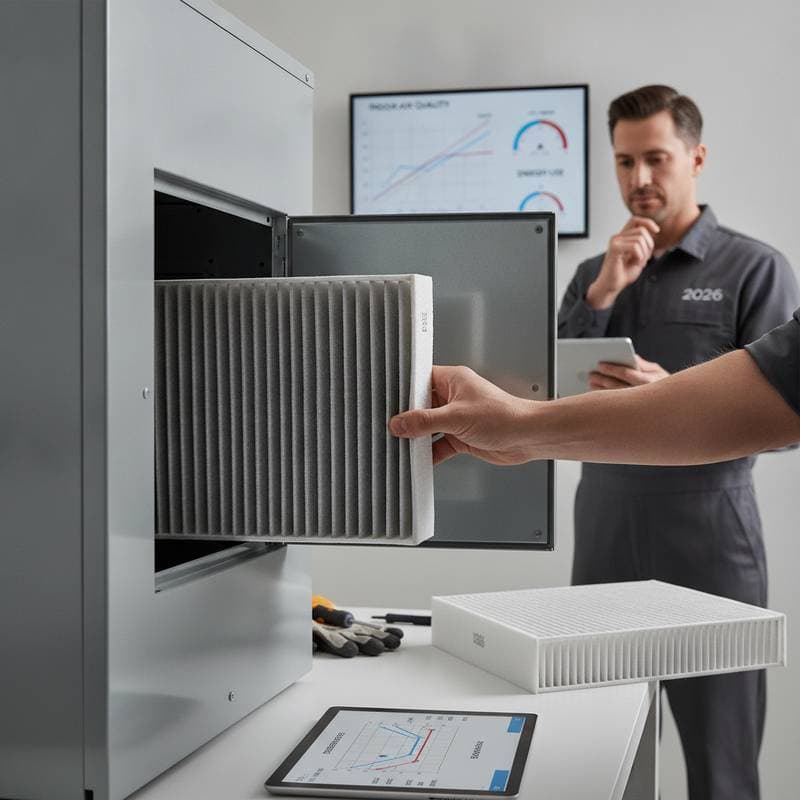
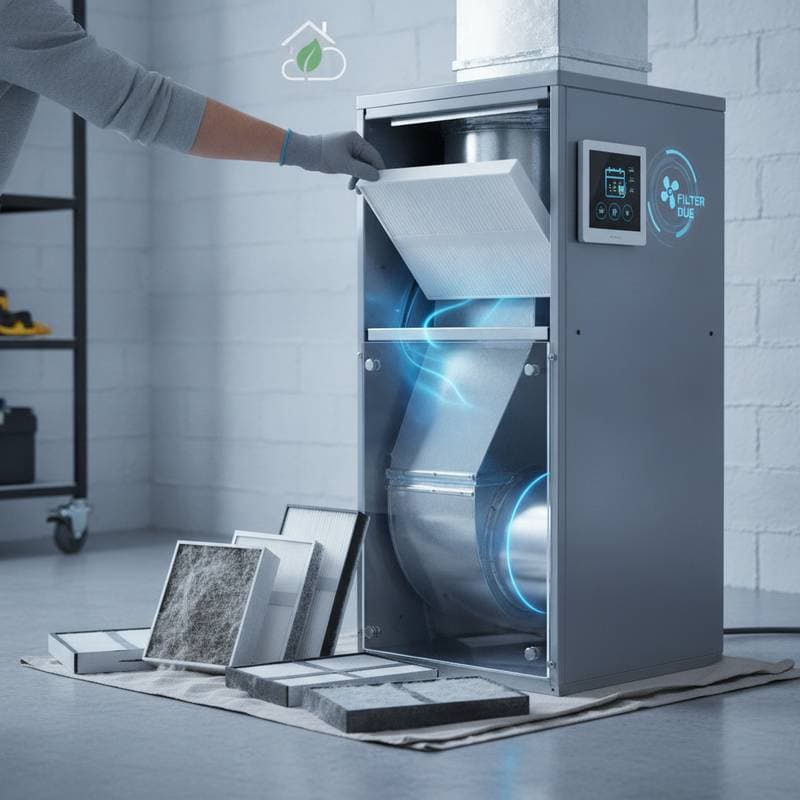
Clean or replace air filters semiannually to preserve circulation.
-
Flush tanks yearly to eliminate sediment accumulation.
-
Clear condensate drains to prevent blockages.
-
Examine anode rods biennially or triennially against corrosion.
-
Set temperatures to one hundred twenty degrees Fahrenheit, balancing comfort and conservation.
These measures require minimal time investment and may extend service life by years. Consider bundled service plans from technicians for thorough evaluations.
Timing Your Water Heater Upgrade
Replace units over eight years old exhibiting rust or inconsistent heating. Aging electric or gas models erode efficiency, inflating bills. Proactive replacement enables model selection, rebate alignment, and cost control, averting urgent, premium-priced interventions.
Gas-to-electric conversions necessitate panel capacity reviews; certain programs subsidize these enhancements. Early planning secures incentives and avoids disruptions.
Securing Sustained Performance
Post-installation, monitor temperature consistency and alerts monthly. Log energy consumption to quantify savings. Anomalous usage increases signal potential upkeep needs or demand shifts.
Annual technician visits, costing one hundred to two hundred dollars, uphold warranties and preempt issues. Consistent vigilance ensures decades of reliable, cost-effective operation.
Enduring Advantages of Heat Pump Adoption
Beyond financial recovery, heat pump water heaters deliver environmental and comfort gains. Reduced energy demands lower household emissions, supporting climate resilience. Enhanced durability minimizes replacement frequency, fostering long-term stability.
Homeowners enjoy consistent hot water supply with minimal intervention, complemented by integration into smart home ecosystems. These systems not only optimize budgets but also elevate living standards through efficient, eco-conscious design.