
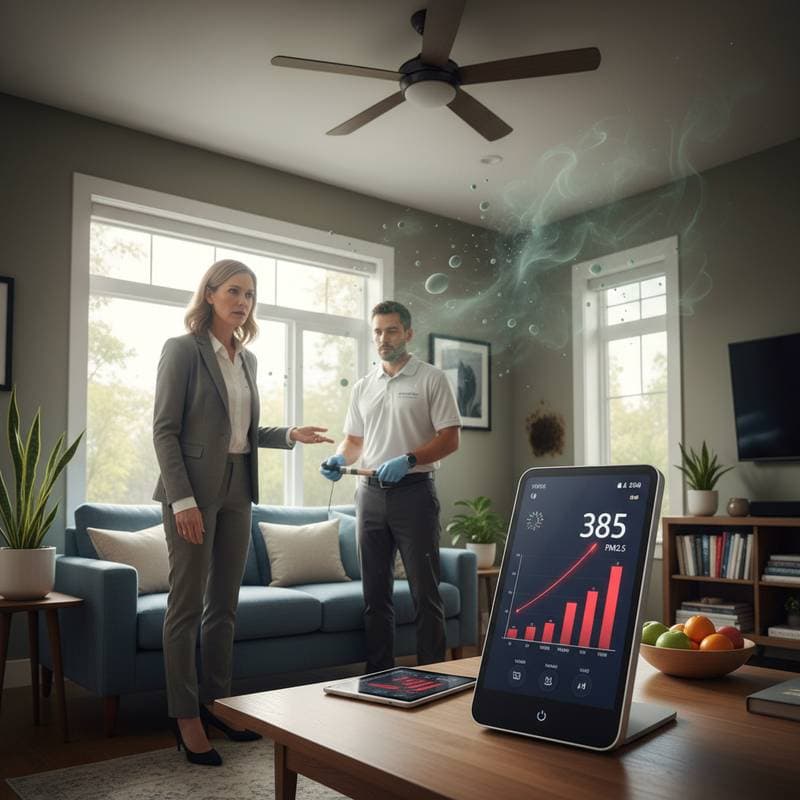
Indoor Air Can Be Five Times More Polluted Than Outside
Indoor environments often harbor pollutants at concentrations up to five times higher than outdoor air. This reality stems from limited ventilation, everyday activities, and building materials that release harmful substances. Understanding this issue empowers homeowners to take proactive steps toward better health and comfort.
Why Indoor Air Quality Matters
Poor indoor air quality affects respiratory health, sleep patterns, and overall well-being. Common culprits include volatile organic compounds from paints and cleaners, mold growth in damp areas, and carbon monoxide from faulty appliances. These pollutants accumulate silently, leading to symptoms such as headaches, fatigue, and allergies that mimic other conditions.
Home value also ties into air quality. Prospective buyers increasingly prioritize homes with clean, tested air systems. Addressing these issues early prevents costly repairs and enhances livability.
Signs It Is Time to Test Your Indoor Air
Testing becomes essential when certain indicators appear. Persistent odors, like musty smells or chemical fumes, signal potential problems. Family members experiencing unexplained respiratory issues, eye irritation, or skin rashes warrant immediate attention.
Other triggers include recent renovations, water damage, or the installation of new furniture and carpets. If your home lacks modern ventilation or sits in a high-pollution urban area, routine checks prove beneficial. Aim to test annually or after any major changes to maintain baseline safety.
How Professional Air Testing Works
Professional testing involves certified experts using specialized equipment to measure pollutant levels accurately. They begin with a site visit to assess your home's layout, ventilation, and potential sources. Air samples collect via pumps that draw in particles over set periods, often 24 to 48 hours for comprehensive data.
Analyses target specific contaminants: particulate matter via laser counters, VOCs through gas chromatography, and mold spores under microscopic examination. Carbon monoxide detectors provide instant readings. Results arrive in detailed reports with pollutant concentrations compared to safety standards, plus tailored recommendations.
Costs vary by scope, typically ranging from a few hundred dollars for basic checks to more for full-home evaluations. Many services offer follow-up consultations to interpret findings and plan improvements.
DIY Testing Options for Quick Insights
For initial screening, at-home kits provide accessible entry points. Radon test kits, placed in basements for 48 hours to three months, detect radioactive gases from soil. Mold test swabs or petri dishes sample suspicious surfaces, revealing growth types within days.
VOC and particulate monitors, available online or at hardware stores, offer real-time digital readouts. Place them in high-use areas like kitchens or bedrooms for ongoing monitoring. While less precise than professional methods, these tools identify hotspots and justify further action.
Follow kit instructions precisely to ensure validity. Calibrate digital devices regularly and consult results against EPA guidelines for interpretation.
Practical Steps to Improve Indoor Air Quality
Enhance ventilation by opening windows daily when outdoor air is clean and using exhaust fans during cooking or showering. Install HEPA-filtered air purifiers in main living spaces to capture particles and allergens effectively.
Address moisture sources to curb mold: repair leaks promptly, use dehumidifiers in humid climates, and ensure proper attic and crawlspace drainage. Choose low-VOC paints and natural cleaning products to minimize chemical emissions.
Maintain heating and cooling systems through annual servicing to prevent dust buildup and ensure efficient operation. Incorporate houseplants like spider plants or peace lilies, which naturally filter toxins. Track progress with repeat testing to measure improvements.
Sustaining a Healthier Home Environment
Consistent habits transform air quality over time, reducing health risks and boosting daily comfort. Families report fewer illnesses and better sleep after implementing these strategies. Invest in monitoring tools for peace of mind and long-term wellness.
By prioritizing air testing and ventilation, you create a sanctuary that supports vitality. Start with a simple assessment today to uncover and eliminate hidden threats.




