Why R-454B Will Transform Your AC in 2025
Homeowners increasingly encounter discussions about the upcoming refrigerant shift, and one name stands out in HVAC news and contractor conversations: R-454B. This refrigerant represents more than a routine update. It signals substantial changes in air conditioning performance, operating costs, and environmental impact. Grasping the implications of R-454B for residential systems enables informed preparation for the transition.
What Is R-454B and Why It Matters
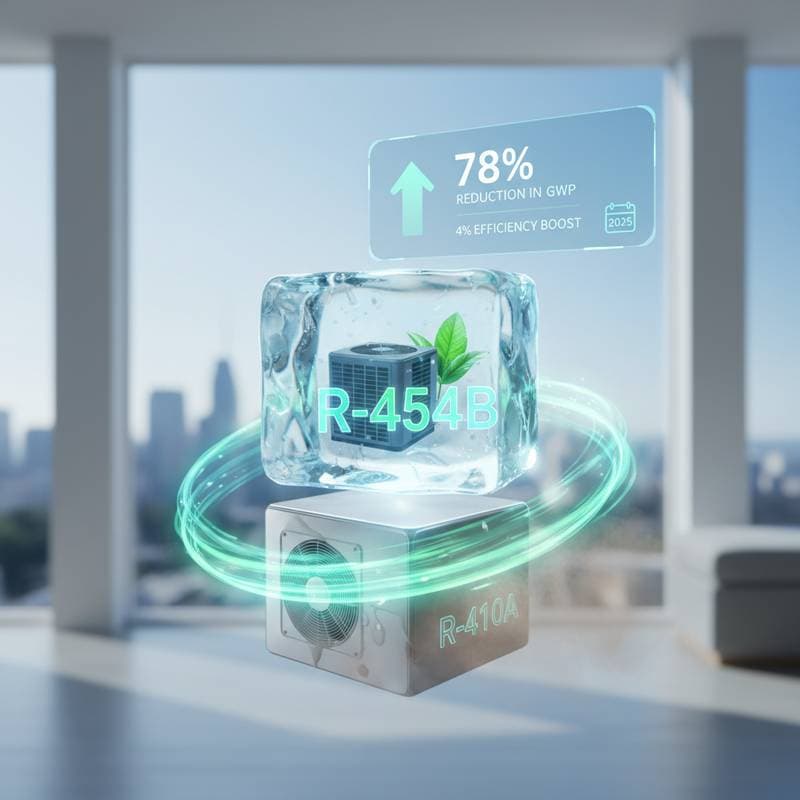
R-454B serves as a next-generation refrigerant intended to supplant R-410A, the longtime standard in residential and light commercial air conditioners. Environmental performance drives this replacement. R-454B features a Global Warming Potential (GWP) approximately 78 percent lower than R-410A, resulting in reduced contributions to atmospheric warming from releases during servicing or leaks.
Major manufacturers including Carrier, Trane, and Lennox have announced that upcoming air conditioning models will incorporate R-454B. Professionals in online HVAC forums describe this shift as comparable to the R-22 phaseout in its significance. The objective remains to sustain or enhance system performance while minimizing ecological harm.
Performance and Efficiency Benefits
Beyond its environmental advantages, R-454B demonstrates superior efficiency. Laboratory tests indicate it provides comparable or marginally improved cooling capacity relative to R-410A, with reduced compressor energy demands. Such characteristics yield tangible reductions in monthly energy expenses. Depending on equipment configuration and regional climate, users may realize a 2 to 4 percent gain in overall system efficiency.
The refrigerant functions at modestly lower pressures, alleviating stress on compressors and associated components. This design choice promotes extended equipment durability and decreased maintenance expenditures over time. Training resources from HVAC education platforms highlight that diminished discharge pressures correlate with reduced leak occurrences and minimized degradation of seals and valves.
Safety and Handling
R-454B falls under the A2L classification, denoting mild flammability. This attribute prompts inquiries regarding safety, yet evolving industry protocols and building regulations mandate equipment and procedures suited for secure deployment and maintenance. Homeowners face no elevated risks in daily operation, as systems remain sealed with integrated safeguards.
Licensed technicians certified in A2L handling must perform all installations and repairs. Service providers require specialized recovery equipment, leak detection devices, and tools compatible with A2L specifications. Before proceeding with a system upgrade, verify that the selected HVAC firm adheres to these updated safety protocols.
Cost Expectations
New R-454B-equipped systems carry a modest upfront premium over R-410A counterparts, attributable to specialized components and initial production constraints. Expect costs to rise by 5 to 10 percent. For a standard central air conditioner replacement priced from 5,000 to 10,000 dollars, this equates to an extra 250 to 1,000 dollars.
Efficiency gains and environmental compliance often recoup this investment through sustained savings. Annual energy expenditures may decline by several hundred dollars, varying with household consumption and local weather patterns. Certain states and utilities anticipate introducing rebates for low-GWP systems, potentially lowering the net cost of R-454B adoption.
Compatibility and Replacement Planning
Retrofits from existing R-410A systems to R-454B prove infeasible due to incompatible lubricants and pressure profiles; blending refrigerants risks catastrophic component failure. Owners of relatively new R-410A units need not rush replacements, though R-454B will emerge as the prevailing choice for future installations.
For systems approaching obsolescence, initiate conversations with HVAC specialists regarding R-454B alternatives. Suppliers now distribute initial units, and service personnel complete requisite certifications for safe management of the refrigerant.
Environmental and Regulatory Drivers
The adoption of R-454B aligns with international initiatives to curb greenhouse gas emissions. Regulatory frameworks progressively eliminate high-GWP options, compelling manufacturers toward compliant substitutes that uphold performance benchmarks. R-454B satisfies these mandates without compromising user comfort.
Industry analyses position this evolution as a pragmatic advancement in sustainable HVAC practices. The combination of reduced GWP and optimized energy use positions R-454B as a vital intermediary in the progression toward advanced cooling solutions.
When to Call a Professional
R-454B integration demands professional expertise beyond DIY capabilities. Engage a certified HVAC technician versed in A2L protocols for new installations. Such experts assess existing infrastructure, propose suitable hardware, and confirm compliance with ventilation and safety norms.
Uncertain about timing a replacement? Professionals evaluate current system performance, project R-454B-related savings, and detail incentive opportunities. Insist on proof of A2L licensure and tool certification from any contractor.
Maintaining Your Investment
Post-installation, diligent upkeep sustains R-454B system performance. Arrange yearly inspections to detect leaks, clean condenser coils, and maintain optimal refrigerant levels. These steps safeguard efficiency and avert compressor issues. Technicians should routinely inspect sensors and safety mechanisms.
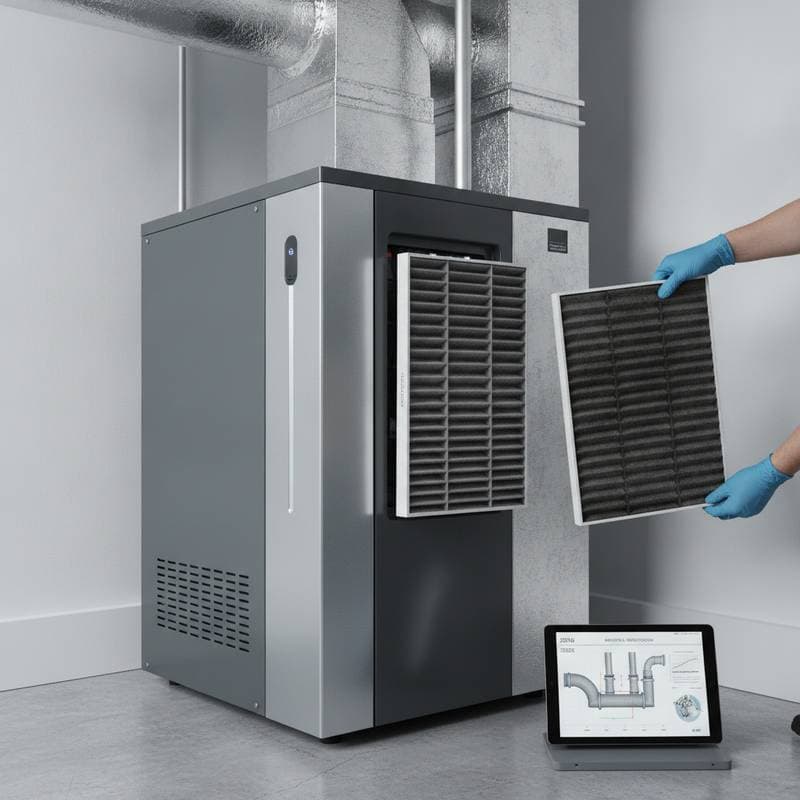
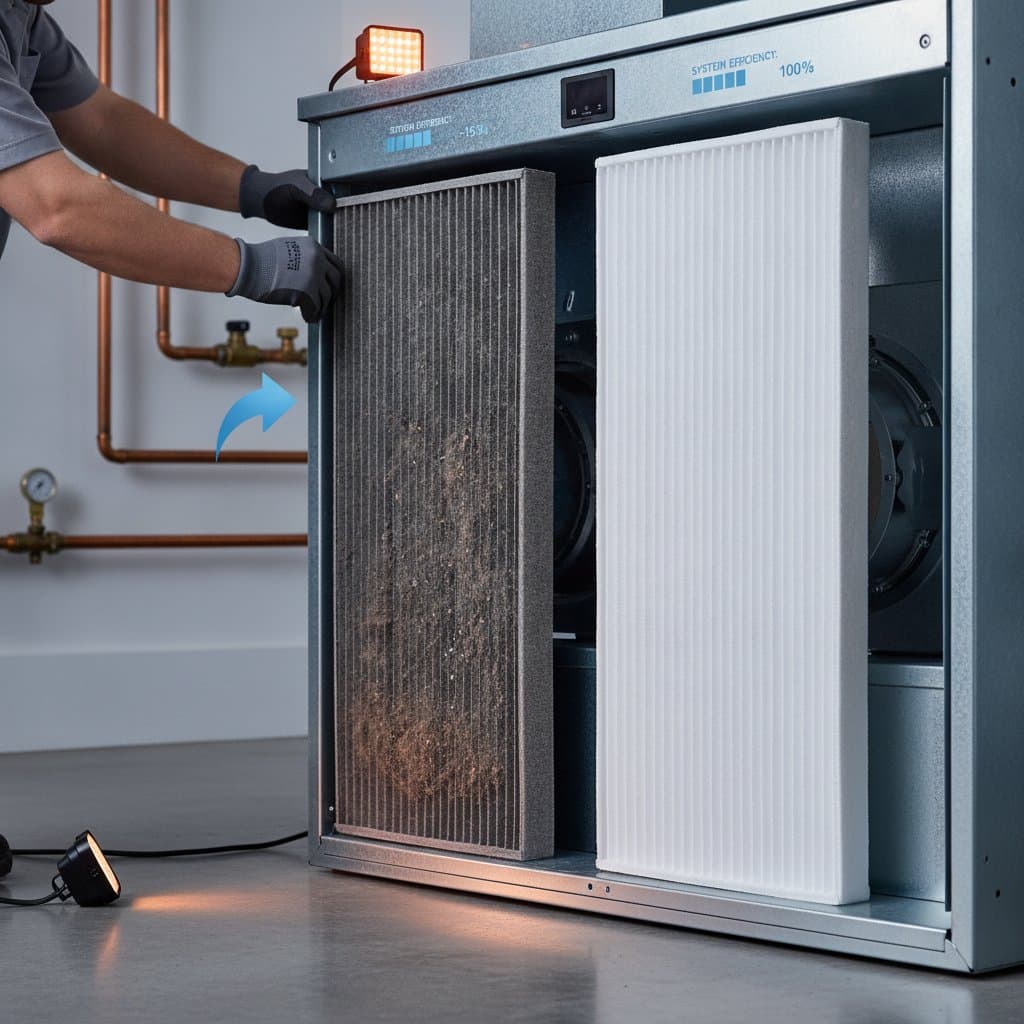
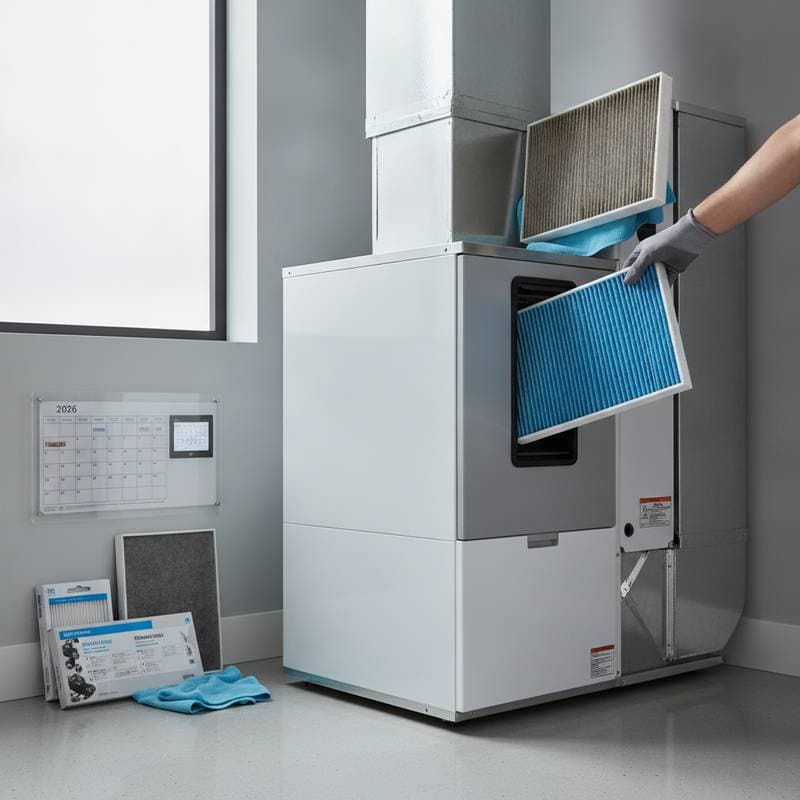
Consistent maintenance, including timely filter replacements, ensures reliable operation, diminished energy use, and minimized environmental effects. Proactive care maximizes the lifespan of R-454B units, delivering enduring comfort alongside fiscal and ecological benefits.