Indoor Air Testing Costs and Key Insights
Indoor air quality influences health, comfort, and energy efficiency in homes. Homeowners increasingly recognize the presence of pollutants such as mold spores, volatile organic compounds, and allergens that accumulate indoors. If unusual odors appear, allergies persist, or reassurance about the living space is desired, indoor air testing provides essential information. Knowledge of the process and associated costs enables informed choices regarding testing and subsequent purification efforts.
Understanding Indoor Air Testing Costs
Professional indoor air testing costs range from $150 to $1,500, varying with home size, testing methods, and contaminants examined. A basic inspection assessing humidity, carbon dioxide, and particulate matter starts at the lower end of this spectrum. More thorough evaluations targeting volatile organic compounds, formaldehyde, or biological agents like mold and bacteria command higher fees due to specialized equipment and laboratory analysis.
Several elements determine the final expense, including the square footage of the property, quantity of samples collected, type of testing apparatus used, and necessity of lab processing. Travel expenses for technicians or fees for extra sampling sites may also contribute. Homeowners benefit from obtaining multiple quotes to compare services and ensure value aligns with needs.
Breakdown of Common Costs
- Basic Air Quality Test: This option detects everyday pollutants including dust, pollen, and airborne particles. Expect to pay $150 to $300 for a standard home assessment.
- Volatile Organic Compound Testing: Such analysis identifies chemicals released from paints, furniture, and cleaning supplies. Costs typically range from $250 to $600, reflecting the need for sensitive detection tools.
- Mold and Allergen Testing: Technicians collect air or surface samples for laboratory examination. Fees fall between $300 and $800, depending on sample volume and analysis depth.
- Comprehensive Packages: These integrate various tests for a holistic view of indoor air. Prices vary from $500 to $1,500, offering detailed reports and remediation advice.
| Test Type | Estimated Cost Range | What It Covers |
|---|---|---|
| Basic Air Quality Test | $150 - $300 | Humidity, CO2, particulate matter |
| VOC Testing | $250 - $600 | Chemicals from paints, furniture |
| Mold and Allergen Testing | $300 - $800 | Air/surface samples for biologicals |
| Comprehensive Package | $500 - $1,500 | Multiple contaminants, full analysis |
DIY Versus Professional Testing
Homeowners must weigh options between do-it-yourself kits and professional services based on objectives and technical comfort.
Advantages of DIY Testing
- Initial expenses remain low, often under $100 per kit.
- Screening occurs at convenient times without scheduling.
- Setup involves straightforward instructions for basic pollutant checks.
Disadvantages of DIY Testing
- Detection covers only common contaminants, missing nuanced issues.
- Results lack expert review, leading to potential misinterpretation.
- Sampling errors can compromise reliability.
Advantages of Professional Testing
- Utilization of precise instruments yields lab-verified outcomes.
- Specialists deliver customized recommendations for improvement.
- Findings support health decisions or property transactions effectively.
Disadvantages of Professional Testing
- Fees exceed DIY options significantly.
- Coordination of appointments adds logistical effort.
For issues like ongoing allergies, persistent odors, or evident mold growth, professional involvement delivers superior accuracy and guidance.
Common Questions About Indoor Air Testing
What Components Does an Indoor Air Test Encompass?
Standard evaluations measure particulate matter, humidity, temperature, volatile organic compounds, and carbon dioxide concentrations. Advanced options include assessments for mold spores and formaldehyde levels. Selection of components depends on suspected pollutants and home conditions.
How Long Until Results Arrive?
Certain measurements provide immediate feedback through on-site devices. Laboratory analyses for complex samples require three to seven days. Technicians often supply preliminary observations during the visit to address urgent concerns.
Is It Necessary to Vacate the Home During Testing?
Occupancy poses no issue in most cases. Technicians request minimal interference, such as avoiding window openings or fan operations, to capture representative air samples. This approach ensures data reflects typical indoor conditions.
How Frequently Should Indoor Air Undergo Testing?
Periodic checks every two to three years suffice for routine monitoring. More immediate testing follows events like renovations, flooding, or introduction of new furnishings. Such timing prevents pollutant buildup and maintains safety.
Does Subpar Air Quality Impact Health?
Extended exposure to indoor pollutants triggers symptoms including headaches, tiredness, allergic reactions, and breathing difficulties. Vulnerable groups such as children and those with respiratory conditions face heightened risks. Proactive testing mitigates these effects through targeted interventions.
Steps to Prepare for Indoor Air Testing
Record observations of symptoms, smells, or visible problems prior to the assessment. Refrain from cleaning, painting, or using strong chemicals for 48 hours to avoid altering pollutant levels. Select a certified provider equipped with calibrated tools who issues comprehensive reports. Post-testing, implement suggested remedies like ventilation upgrades or purifier installations to address identified issues.
Strategies for Sustained Indoor Air Health
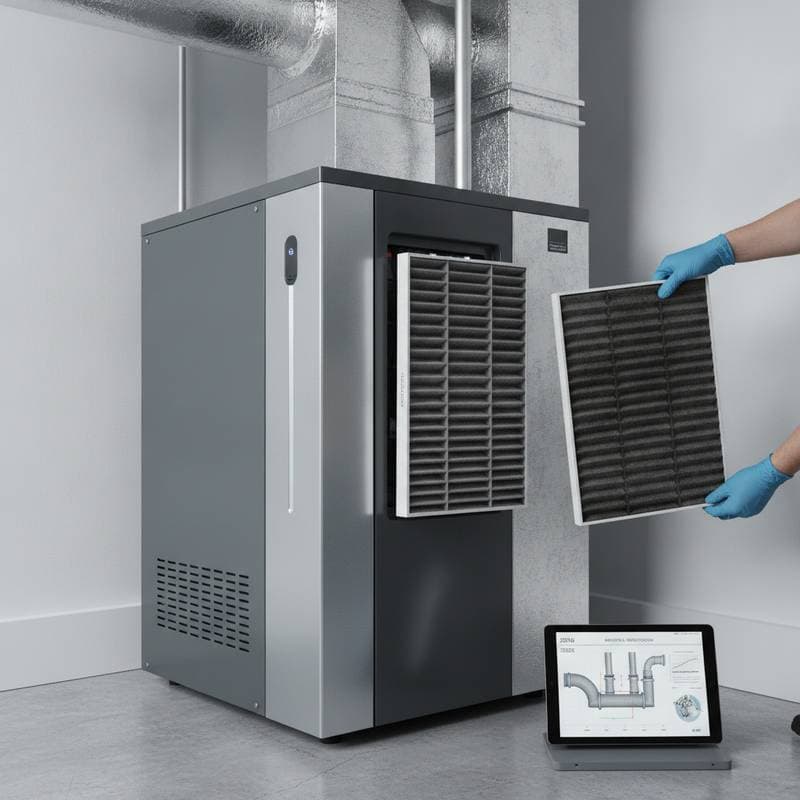
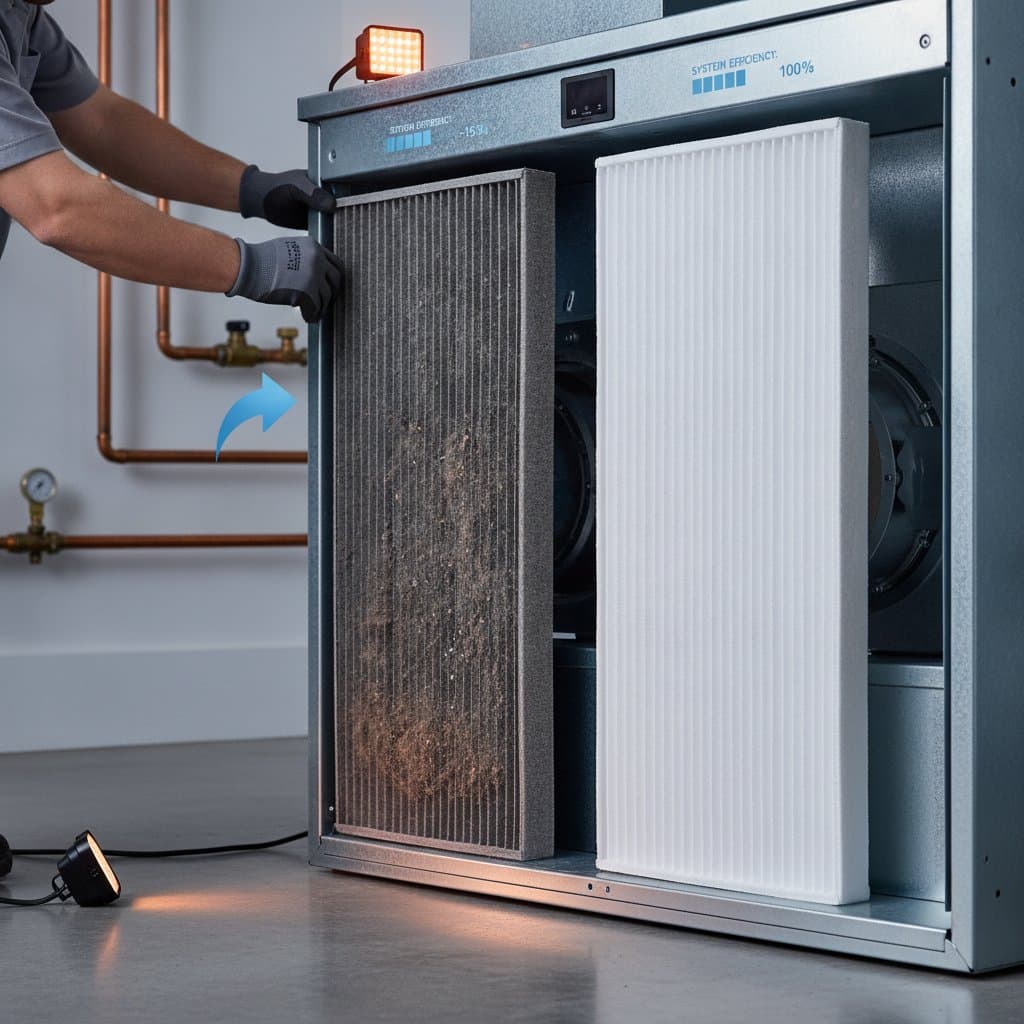
Routine practices fortify air quality beyond initial testing. Install filters with high MERV ratings in HVAC systems to trap particles effectively. Maintain humidity between 30 and 50 percent using dehumidifiers where needed. Regularly service vents and ducts to optimize airflow. Incorporate air-cleaning houseplants and opt for low-emission cleaning agents. Ongoing vigilance through simple monitors ensures the home supports well-being and comfort year-round.