Protect Your Basement From Floods in Power Outages
A flooded basement leads to property damage, ruined belongings, and expensive repairs. The sump pump serves as the primary defense against groundwater intrusion. When storms cause power failures, this defense disappears. Planning for both water management and backup power prevents sudden flooding.
Understanding Basement Flooding Risks
Basement flooding occurs when groundwater or rainwater enters the lowest level of a home. The sump pump gathers this water in a pit and expels it before accumulation begins. Severe storms often trigger outages at the worst possible moment. Even brief interruptions allow water to rise several inches.
Key factors that raise flooding risk during outages include high water tables after heavy rain, inadequate foundation drainage, aging pumps with reduced capacity, and outages that exceed temporary power supplies. Recognizing these issues guides selection of appropriate backup systems.
How Backup Sump Pumps Prevent Flooding
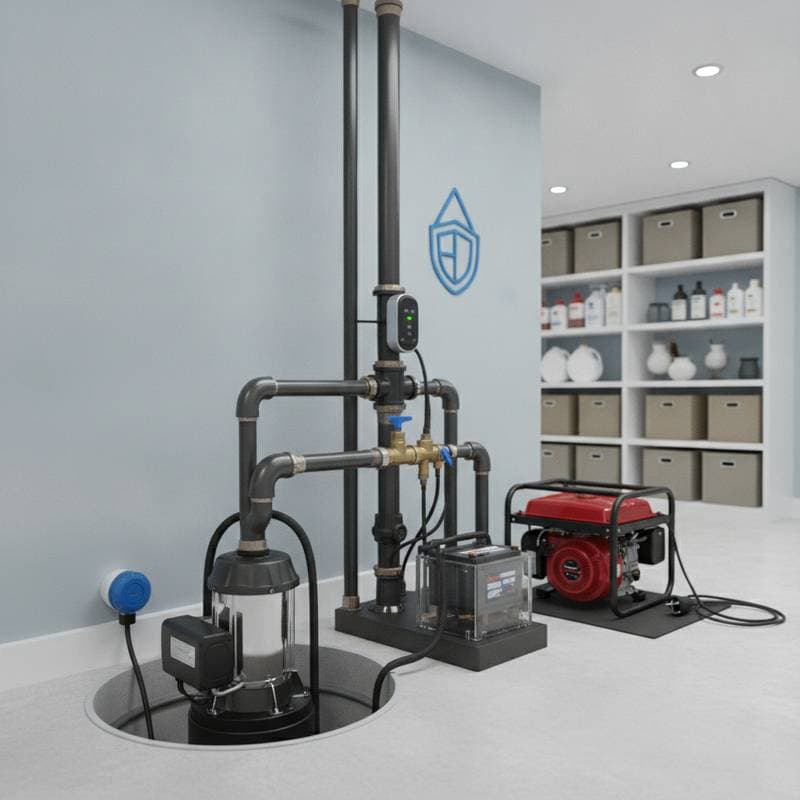
A backup sump pump activates when the primary unit loses power. Options include battery power, water pressure, or generator support. Each approach maintains water removal when standard systems stop.
Battery Backup Sump Pumps
Battery systems use a deep-cycle battery to run a secondary pump. These units activate automatically and provide several hours of operation. They suit homes that experience short outages and moderate water inflow.
Water-Powered Backup Sump Pumps
Water-powered units rely on municipal water pressure to create suction. They need no electricity or batteries and function during extended outages. These systems require steady water pressure and do not work with private wells.
Generator-Powered Systems
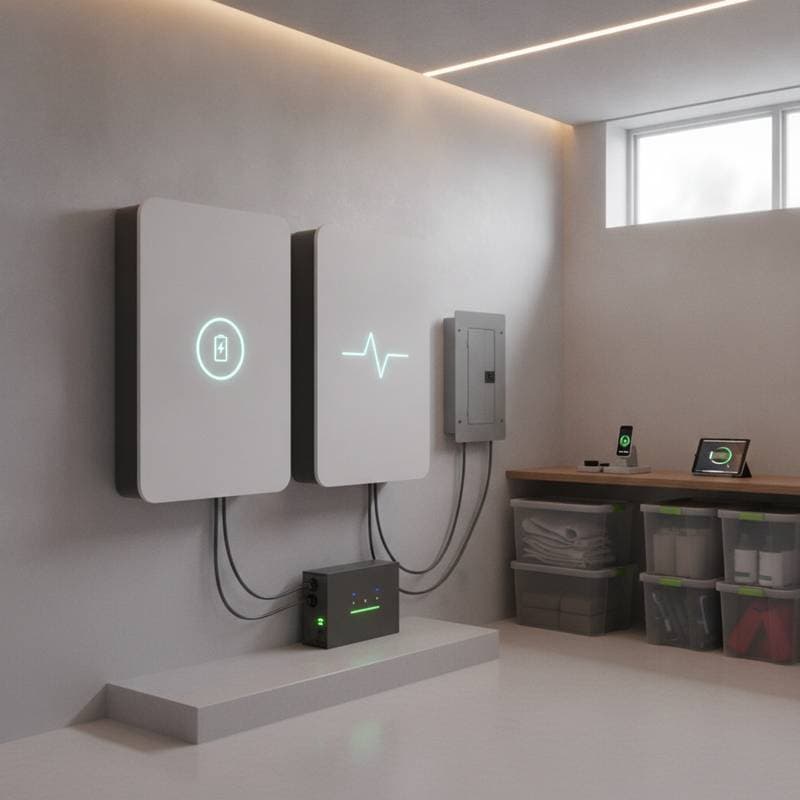
Portable or standby generators supply electricity directly to the primary pump. Whole-house models start automatically and support all essential circuits. Fuel availability determines runtime length.
DIY vs Professional Installation
Battery backup installation involves electrical connections, discharge piping, and waterproof seals. Errors produce leaks, pump failure, or safety hazards. Professional plumbers or waterproofing specialists verify correct pump sizing, proper drainage, code-compliant wiring, and realistic performance testing.
Your Basement Flooding Questions, Answered
How much does a backup sump pump cost?
Battery backup systems range from several hundred to over one thousand dollars based on capacity and brand. Water-powered units fall in a similar price range. Generator solutions cost more due to equipment and fuel requirements.
How long does a battery backup sump pump last during an outage?
A charged battery runs from several hours to a full day depending on water volume. Replace batteries every few years and test performance regularly.
Do I need a professional to install a water-powered pump?
Yes. These units connect to the main water line and require precise fittings to avoid backflow. Improper work can violate local codes.
Can I use a portable generator for my sump pump?
Yes. Operate the generator outdoors away from openings to avoid carbon monoxide. Select an outdoor-rated cord and confirm sufficient wattage output.
What maintenance does a backup sump pump require?
Pour water into the pit every few months to test both pumps. Clear debris from the intake, check float switch movement, and confirm the discharge pipe remains unobstructed.
What happens if both pumps fail?
Water rises quickly. Keep a wet-dry vacuum, sandbags, or portable utility pump available to limit damage until power returns.
Are permits required for sump pump installation?
Some jurisdictions require permits for new discharge lines or backflow devices. Check local regulations before beginning work.
What is the best location for the sump pit?
Place the pit at the lowest basement floor point, usually near a wall. Connect it to an exterior drainage path that leads away from the foundation.
How can I prevent pump overload during storms?
Install a high-water alarm, maintain clear discharge lines, and schedule annual professional inspections before storm season.
How to Decide: Your Step-by-Step Guide
- Assess flood risk by tracking sump pump activity during storms and local outage frequency.
- Evaluate power reliability to determine whether battery or generator backup offers the best protection.
- Calculate total costs including equipment, installation, and future maintenance.
- Match installation method to personal skill level and hire professionals when electrical or plumbing work exceeds comfort.
- Prepare emergency supplies such as spare batteries and contact information.
Preparing Your Basement for Power Outages
- Inspect the sump pump system for corrosion, blockages, and worn components.
- Test the backup pump under simulated outage conditions.
- Seal foundation cracks with waterproof epoxy.
- Store valuables on shelves or in plastic bins rather than on the floor.
- Install a sump pump alarm that signals rising water levels.
Ensuring Long-Term Protection
Regular testing and timely component replacement keep backup systems reliable. These steps reduce the chance of sudden flooding and protect both the home structure and stored items during any outage.