Know Exactly When to Test Your Home for Air Quality Issues
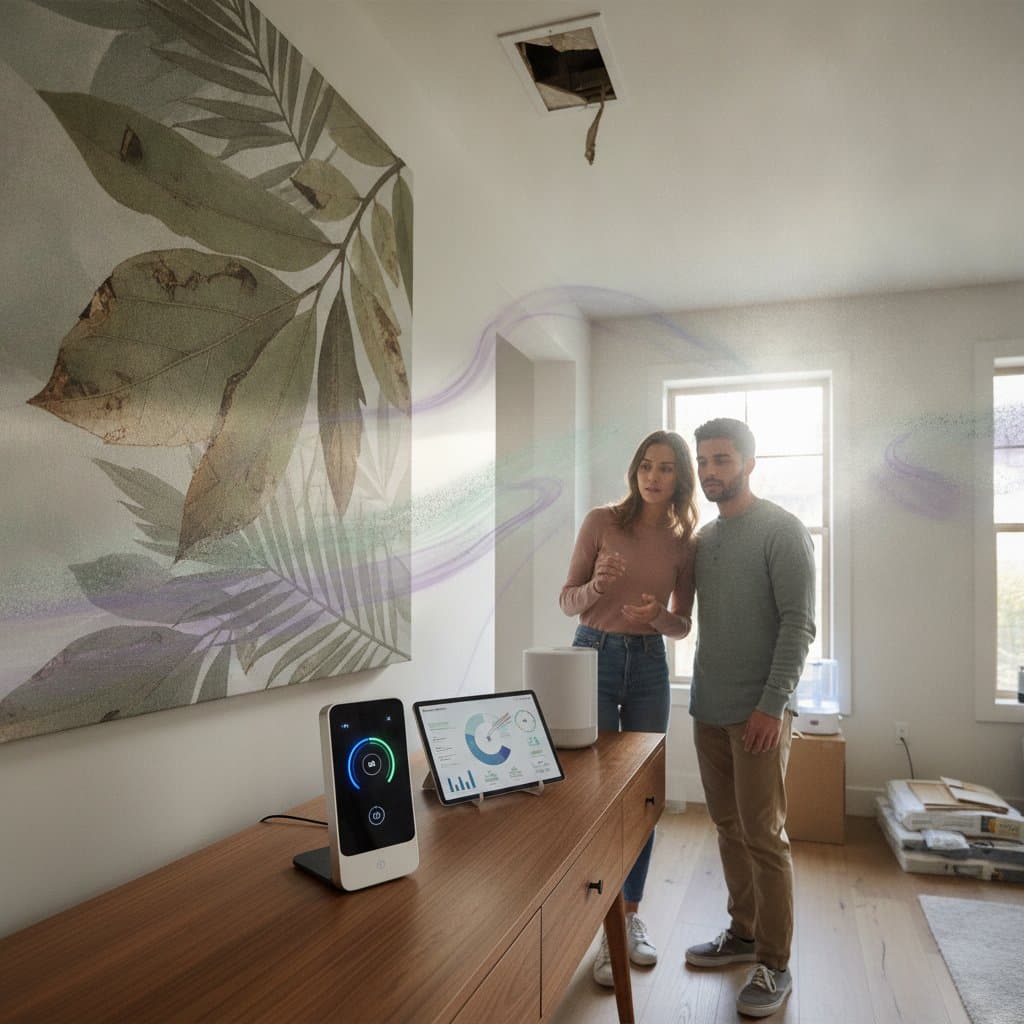
Indoor air quality often receives less attention than it deserves. Many homeowners assume that if their home looks clean and smells fine, the air must be safe. In reality, invisible pollutants can linger in every corner, slowly affecting health and comfort.
Knowing when to test your home for air quality issues helps protect your family and maintain a healthy indoor environment.
Why Air Quality Testing Matters
Indoor air can contain a mix of particles, gases, and biological contaminants. Common pollutants include mold spores, volatile organic compounds from paint or cleaning products, and fine dust. Carbon monoxide, radon, and formaldehyde can also build up in poorly ventilated areas.
Indoor air can sometimes be several times more polluted than outdoor air. Testing identifies the exact source and level of contaminants. This information allows you to decide whether simple home maintenance, better ventilation, or professional remediation is needed.
Without testing, it is easy to misdiagnose symptoms or waste money on the wrong solutions.
Signs You Should Test Your Indoor Air
Air quality testing is not only for visible mold or strange odors. Subtle signs often point to hidden issues. Homeowners should schedule testing if they notice any of the following:
- Frequent respiratory irritation such as coughing, congestion, or shortness of breath.
- Persistent headaches or fatigue that improve when you leave the house.
- Increased allergy or asthma flare-ups, especially during certain seasons.
- Musty or chemical odors that linger even after cleaning.
- Excess moisture or condensation on windows and walls.
- Recent remodeling or painting, which may release fumes and fine particles.
- New furniture or flooring, as some materials emit volatile compounds for months.
- Visible mold growth or water damage in basements, bathrooms, or attics.
If you recognize more than one of these signs, testing can pinpoint the source and help prevent long-term exposure.
Seasonal and Situational Testing
Timing plays a major role in accurate air quality assessment. Conditions inside your home change throughout the year, so testing during different periods can reveal new patterns.
- After major weather changes. Heavy rain, snow, or high humidity can raise mold levels and affect ventilation.
- Before and after home improvement projects. Construction dust, adhesives, and new materials release particles and gases that linger indoors.
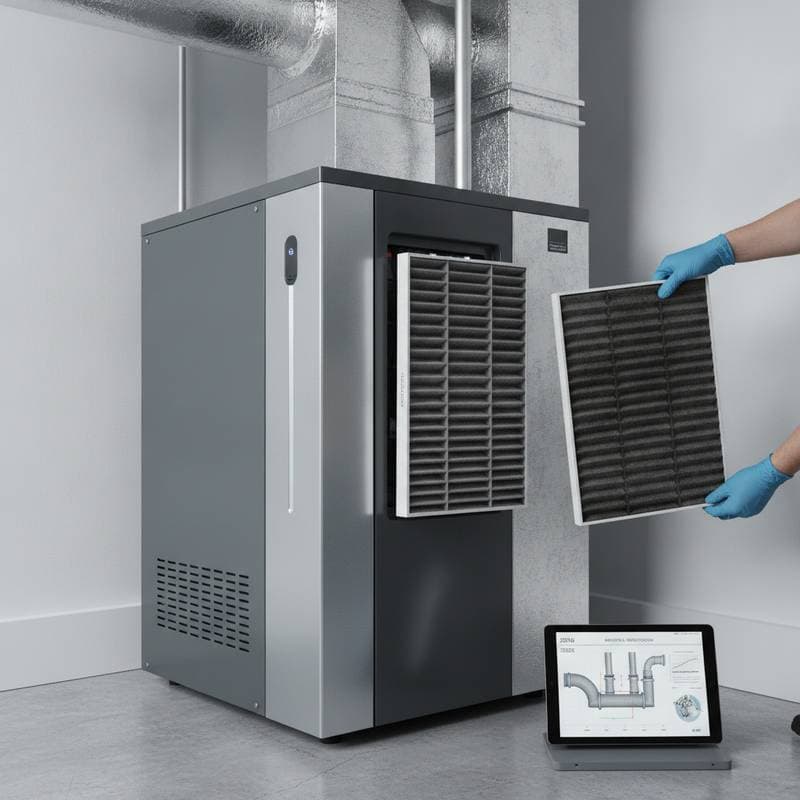
- When installing a new HVAC system. Testing before installation provides a baseline, and a follow-up test ensures the system is filtering air correctly.
- During high pollen seasons. Testing helps determine if outdoor allergens are entering through leaks or poor filtration.
- After pest infestations. Droppings and residues can degrade air quality even after the pests are gone.
Routine testing every few years, or after major changes in occupancy or structure, keeps your indoor environment balanced.
DIY Testing vs. Professional Assessment
Homeowners can start with DIY test kits that measure common pollutants like mold, radon, or carbon monoxide. These kits are easy to use and offer quick insights. The downside is that results can be limited or inaccurate if used incorrectly.
Professional air quality specialists use calibrated instruments that measure multiple pollutants simultaneously. They can test for particulate matter, chemical compounds, biological contaminants, and ventilation efficiency. Experts also interpret results with context, explaining what levels are safe and what actions are necessary.
A balanced approach works best. Use DIY kits for quick checks, then call professionals for confirmation or deeper analysis.
Cost and Accuracy Considerations
DIY kits can cost as little as the price of a household cleaning product, while professional testing can range into several hundred dollars depending on scope and location. Although professional services cost more, they provide comprehensive reports and actionable advice.
For homes with children, elderly residents, or anyone with respiratory conditions, professional testing is often worth the investment. Homeowners looking to reduce cost can prepare by cleaning vents, replacing filters, and documenting symptoms before hiring a tester. This helps professionals target the most likely sources quickly.
Maintaining a Healthy Indoor Environment
Once you know what affects your air, preventive maintenance becomes easier. Replace HVAC filters every few months, vacuum with a HEPA filter, and control humidity with dehumidifiers or ventilation fans. Avoid storing chemicals in living areas and choose low-VOC paints and cleaners.
If test results show elevated pollutants, take corrective action promptly. For mold, address leaks and moisture first. For radon, hire certified mitigation contractors. For chemical pollutants, improve ventilation and switch to safer materials.
Taking Action on Test Results
Testing your home air quality is not a one-time task. It is part of an ongoing effort to create a healthier, more comfortable home. As living habits, building materials, and climate conditions change, your indoor air evolves too.