Understanding Radon and Its Health Implications
Indoor air quality directly influences long-term health outcomes, yet many homeowners neglect this critical aspect of maintenance. Radon gas stands out as a particularly insidious hazard because it lacks odor and color, evading detection without deliberate testing. This naturally occurring gas emerges from the decay of uranium in soil and rock, accumulating to hazardous levels when confined within living spaces.
Effective management begins with awareness and action. Testing identifies elevated concentrations, while mitigation systems address the issue at its source. Homeowners who prioritize these steps significantly lower exposure risks, including the potential for lung cancer, as supported by health authorities.
Pathways of Radon Entry into Homes
Radon migrates upward from the earth and seeks the easiest routes into structures. Identifying these pathways allows for targeted prevention measures. Primary entry points consist of the following:
- Cracks in concrete foundations or basement floors
- Openings surrounding sump pumps or floor drains
- Gaps between foundation blocks or within expansion joints
- Joints where walls connect to floors during construction
- Spaces around utility pipes penetrating the foundation
In homes with inadequate ventilation or enhanced energy efficiency features, radon tends to concentrate more readily. Such conditions often arise after renovations or added insulation, underscoring the need for testing following structural changes.
Functions of a Radon Mitigation System
A radon mitigation system actively lowers indoor gas concentrations by directing it outside the home. The predominant approach involves sub-slab depressurization, which extracts radon from below the foundation and channels it through a vent extending above the roof.
Essential System Components
- PVC Vent Pipe: Drilled through the foundation and directed to an outdoor exit point
- Inline Radon Fan: Generates negative pressure to extract gas from soil voids
- Sealed Barriers: Block re-entry of radon through treated openings
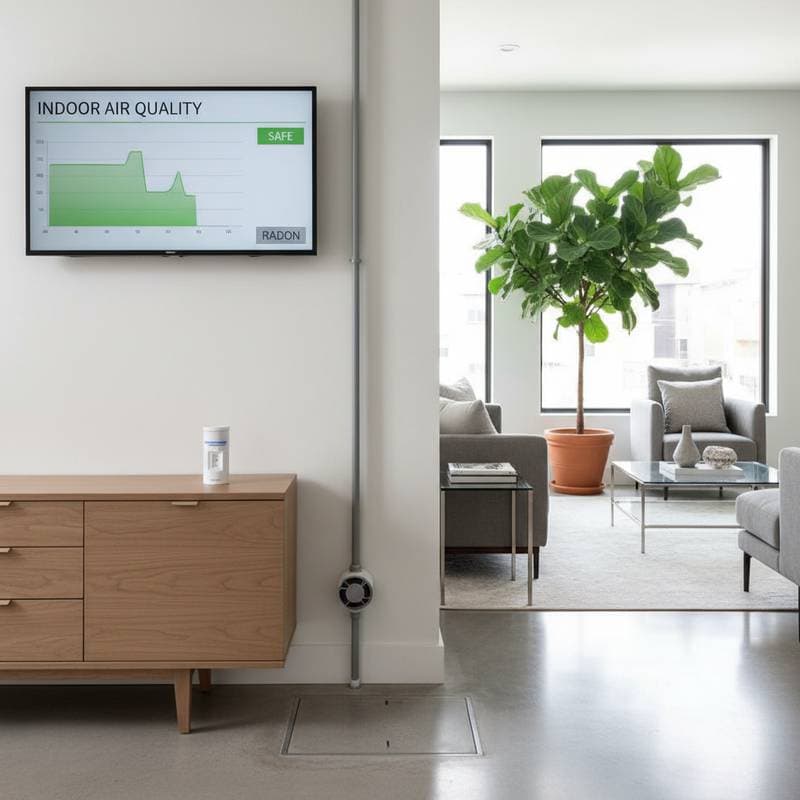
- Performance Monitor: Gauges suction levels and alerts to potential issues
Proper installation achieves reductions of up to 99 percent in indoor levels, transforming potentially unsafe environments into secure ones.
Enhancing an Installed Radon Mitigation System
Annual inspections maintain the efficacy of existing systems, as components wear over time and home modifications can disrupt performance. Homeowners should watch for indicators that signal the need for intervention.
Indicators Requiring System Review:
- Elevated results from follow-up radon tests
- Abnormal sounds emanating from the fan assembly
- Accumulation of moisture within vent piping
- Emerging cracks or alterations near foundation elements
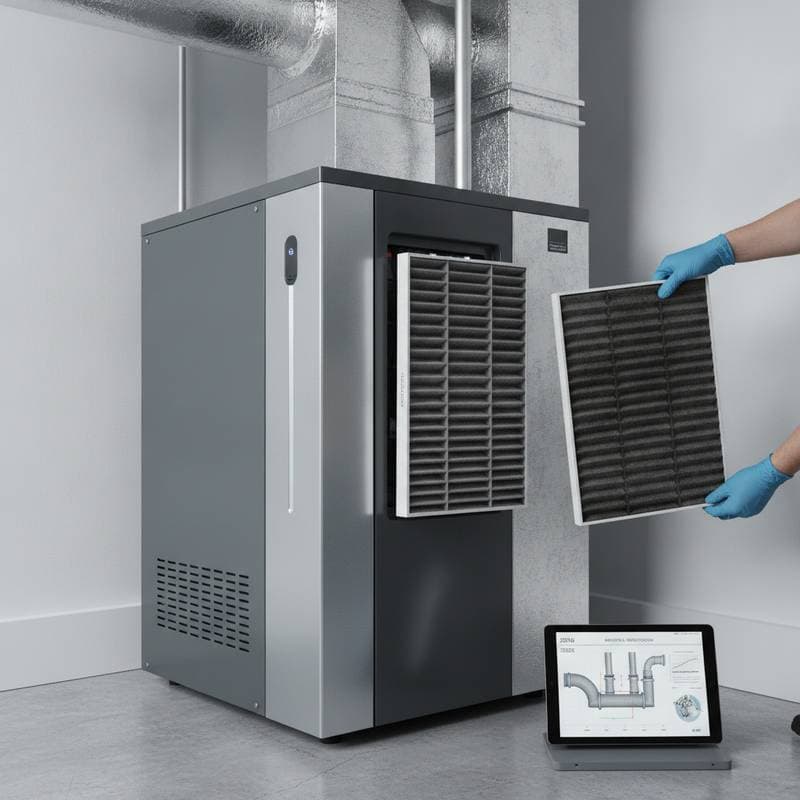
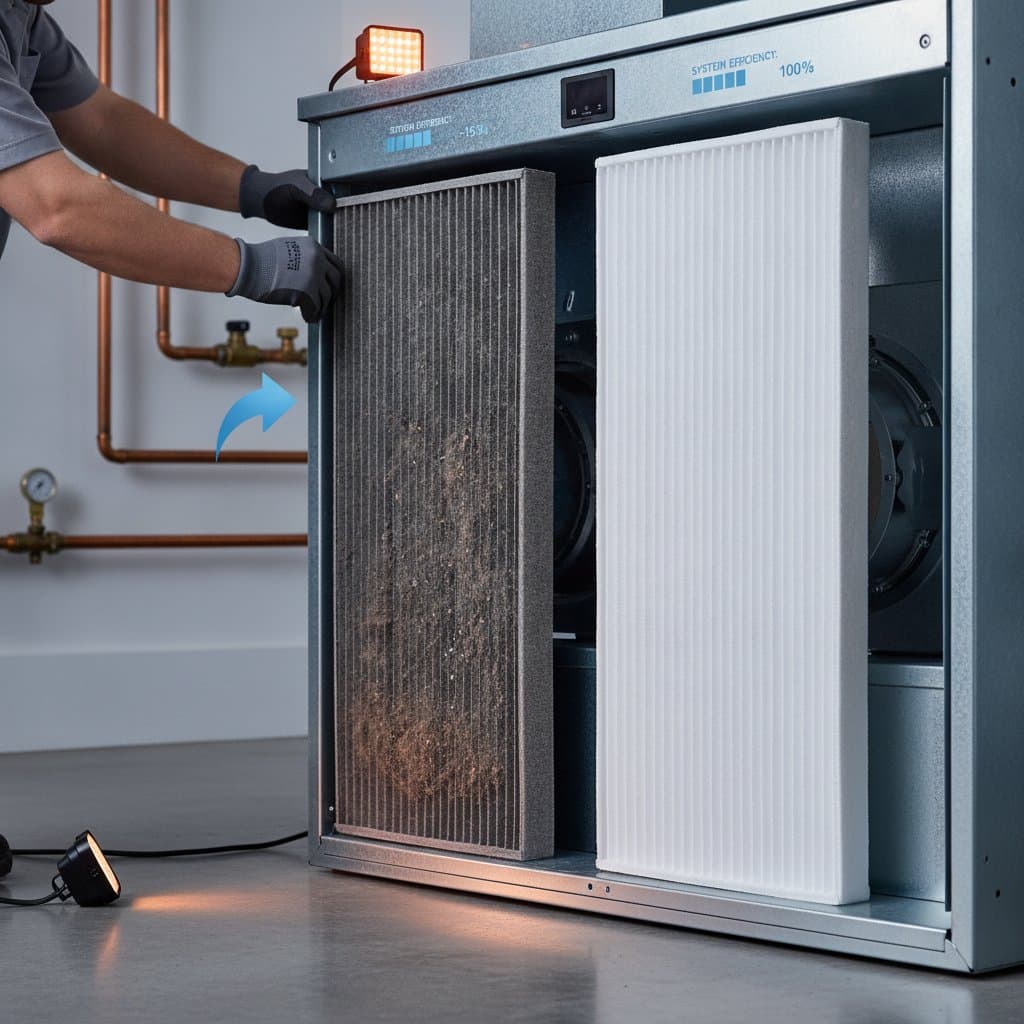
Contemporary fan models offer reduced noise and greater energy efficiency compared to predecessors. Switching to such units can decrease electricity consumption by as much as 30 percent without compromising extraction power. Integration of smart sensors provides app-based monitoring, delivering instant updates on gas levels and operational status.
Influences of Seasons on Radon Concentrations
Radon levels often vary across seasons due to environmental factors. Winter conditions, with closed windows and active heating, generate pressure differentials that draw more soil gases indoors. Summer brings better natural airflow, though elevated humidity may alter soil gas movement.
Conduct tests across multiple seasons to establish baseline averages. For a single test, select a period of minimal ventilation to capture peak concentrations. Schedule retesting every two years to verify sustained system effectiveness amid changing conditions.
Financial and Upkeep Aspects of Radon Systems
Active mitigation systems rely on continuously operating fans with modest energy demands, comparable to a standard bathroom exhaust unit. Expect fan lifespans of approximately ten years, after which replacement becomes necessary.
Practical Maintenance Strategies:
- Inspect fan gauges or manometers each month to verify consistent suction
- Ensure vent pipes remain free from obstructions like debris, snow, or ice buildup
- Address any shifts in fan noise or vibration through immediate replacement
- Perform comprehensive home retests biennially or triennially
Consistent upkeep preserves system reliability and averts expensive remediation down the line.
Steps to Implement Radon Protection
Initiate the process with a radon test kit, available for short-term or long-term monitoring. Analyze results against established action thresholds; levels exceeding four picocuries per liter warrant mitigation. Professional installers assess site-specific needs, ensuring compliance with building codes.
Complement full systems with interim measures, such as applying sealants to visible cracks or enhancing mechanical ventilation. Position radon control within a broader indoor air management framework, incorporating humidity regulation and air circulation improvements. This holistic approach yields enduring benefits, from enhanced well-being to increased real estate appeal, as informed buyers now routinely request documentation of radon safeguards.
Sustained vigilance through periodic testing and structural awareness empowers homeowners to neutralize this environmental threat effectively. Secure indoor environments originate from proactive foundation-level interventions, accessible to every property owner.