Complete Guide to Indoor Air Quality Testing: 2026 Strategies for a Healthier Home
Poor indoor air quality impacts more than daily comfort. It affects overall health, work efficiency, and the durability of household surfaces. Many homeowners prioritize surface cleaning yet overlook invisible airborne particles that linger persistently. A full indoor air quality assessment uncovers these concealed problems and guides you toward a cleaner, safer indoor setting.
This resource details the process of assessing air quality, analyzing outcomes, and implementing effective remedies. Regardless of whether you reside in an urban dwelling or a rural house, grasping the composition of the air you inhale daily proves vital for fostering a well-being-oriented environment.
The Importance of Testing Indoor Air Quality
Studies from organizations such as the Environmental Protection Agency and the World Health Organization indicate that indoor air pollution levels frequently reach two to five times those found outdoors. Sources of these contaminants include construction elements, household cleaners, upholstered items, and everyday routines. Typical offenders encompass volatile organic compounds, fine particles, carbon monoxide, radon gas, and organic matter like mold particles or animal allergens.
Exposure to subpar air can trigger immediate effects such as tiredness, head pain, and breathing discomfort, alongside chronic conditions over time. Comprehensive testing pinpoints exact contaminants, enabling precise interventions rather than broad assumptions.
Discussions in online home maintenance communities, including Reddit forums, highlight cases where air evaluations exposed undetected mold growth or fuel leaks overlooked by standard upkeep. For example, one individual reported discovering high formaldehyde concentrations following the addition of new kitchen fixtures, leading to enhanced airflow systems that eliminated ongoing smells and migraines.
Key Indoor Pollutants and Their Effects
Pollutants vary in origin and impact, necessitating tailored detection approaches. Familiarity with these elements aids in selecting appropriate equipment and understanding data correctly.
Volatile Organic Compounds (VOCs)
VOCs emanate from items like paints, sealants, odor neutralizers, manufactured textiles, and bonding agents. Elevated levels may provoke lightheadedness or sore throats. Prolonged contact heightens potential health concerns. Devices for VOC detection quantify levels in parts per billion; values exceeding 500 parts per billion warrant enhanced airflow or purification measures.
Particulate Matter (PM2.5 and PM10)
These minuscule particles, including dust, combustion residues, and pollen grains, penetrate lung tissues deeply. PM2.5 denotes particles smaller than 2.5 microns. Concentrations surpassing 35 micrograms per cubic meter indicate the need for particle traps or origin elimination. Units equipped with high-efficiency particulate air filters effectively diminish these substances.
Carbon Monoxide (CO)
This odorless gas arises from partial burning in devices such as ovens or heating units. Minor escapes can induce drowsiness and stomach upset. Detectors for CO must register under 9 parts per million during ongoing occupancy. Surges beyond 30 parts per million demand prompt examination of combustion equipment.
Radon
A radioactive gas from natural soil sources, radon seeps in via ground-level fissures or subfloor areas. Extended exposure elevates lung disease risks. Testing employs charcoal absorbers or electronic detectors positioned for days. Levels under 2 picocuries per liter qualify as secure; those over 4 picocuries per liter necessitate corrective actions.
Mold Spores
Kits for mold detection gather floating spores or swab surfaces. Counts exceeding 500 spores per cubic meter signal potential dampness problems. Mold flourishes when relative humidity surpasses 60 percent, making moisture regulation the primary safeguard.
Options for Indoor Air Quality Assessment
Select between expert services and self-administered kits based on financial means, time constraints, and familiarity with procedures.
Expert-Led Assessments
Trained specialists deploy precise tools to gauge various contaminants at once. Fees for a thorough evaluation of an average residence range from 300 to 600 dollars. These evaluations merge on-site readings with laboratory examinations, yielding detailed profiles of substances or microbes. Reports furnish quantitative data, origin identifications, and tailored resolution plans.
Self-Administered Kits
These packages range in price from 30 to 200 dollars, varying by targeted contaminants. They typically involve collection media or detectors that users send to laboratories. Turnaround for results spans several days, delivering levels for elements like VOCs, formaldehyde, or mold presence. Though less exact than professional methods, such kits suit preliminary surveys or periodic verifications.
Ongoing Monitoring Devices
Intelligent sensors provide live tracking of air factors and link to smartphone applications. They assess carbon dioxide, VOCs, particles, and moisture content. Costs fall between 100 and 400 dollars. These tools prove useful for observing shifts tied to activities like meal preparation, surface wiping, or air exchange adjustments. Numerous residents rely on them for year-round air management.
Steps to Prepare for Testing
Reliable results depend on meticulous setup. Adhere to the following procedures prior to sample gathering or device activation.
- Seal windows and exterior doors for a minimum of 12 hours to equalize internal conditions.
- Deactivate purification units and air circulation mechanisms to prevent skewed measurements.
- Refrain from scrubbing or applying sprays that could briefly boost chemical vapors.
- Note down lately performed tasks, including surface coatings or structural updates, which might sway findings.
- Log ambient temperature and moisture readings, as these influence contaminant densities.
Conduct evaluations in primary zones like lounges, sleeping quarters, cooking areas, and lower levels, where contaminants differ. Focus extra scrutiny on spots featuring fuel devices, floor coverings, or prior flood damage.
Analyzing Assessment Outcomes
Test outputs display contaminant densities in standard units. Benchmark these against guidelines from health authorities or scientific bodies. The World Health Organization, for instance, advises keeping PM2.5 under 10 micrograms per cubic meter for sustained exposure.
Examine results for elevated figures and recurring trends. Uniform VOC elevations in several areas suggest widespread origins, such as structural components. Isolated mold detections imply localized water entry. Seek advice from a qualified environmental specialist if interpretations prove unclear; they can clarify data and propose fixes.
Strategies to Enhance Indoor Air Quality
Assessments gain value through subsequent enhancements. Target identified issues with measures that curb origins and promote circulation.
Enhance Air Exchange
Boost influx of outdoor air by periodically opening vents or fitting energy recovery ventilators. These units swap out used air while preserving climate control. In moisture-prone zones like lavatories and kitchens, employ extractor fans that direct air outside, avoiding recirculation into overhead spaces.
Improve Air Filtration
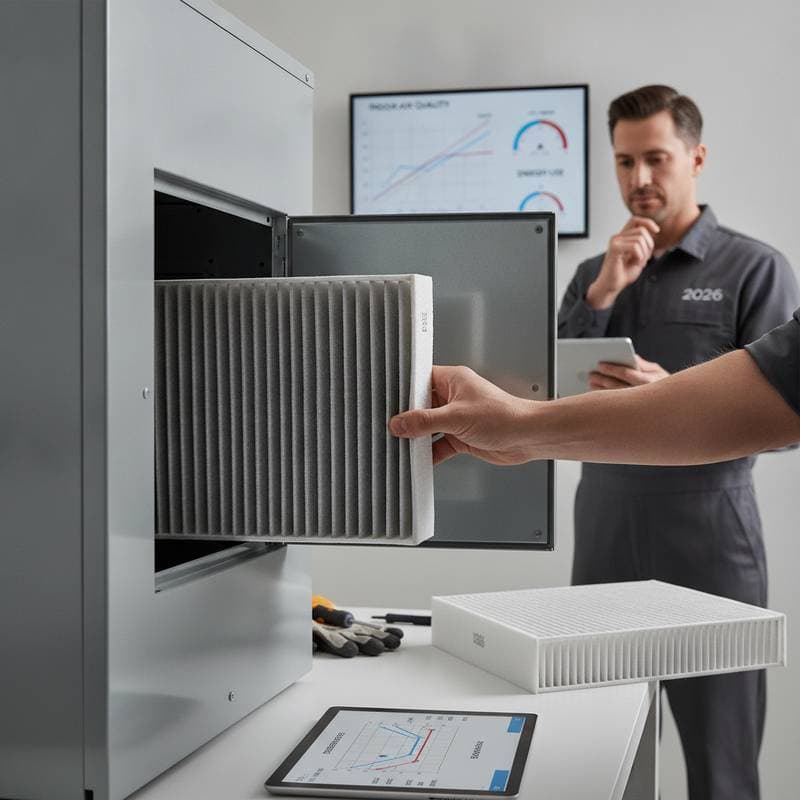
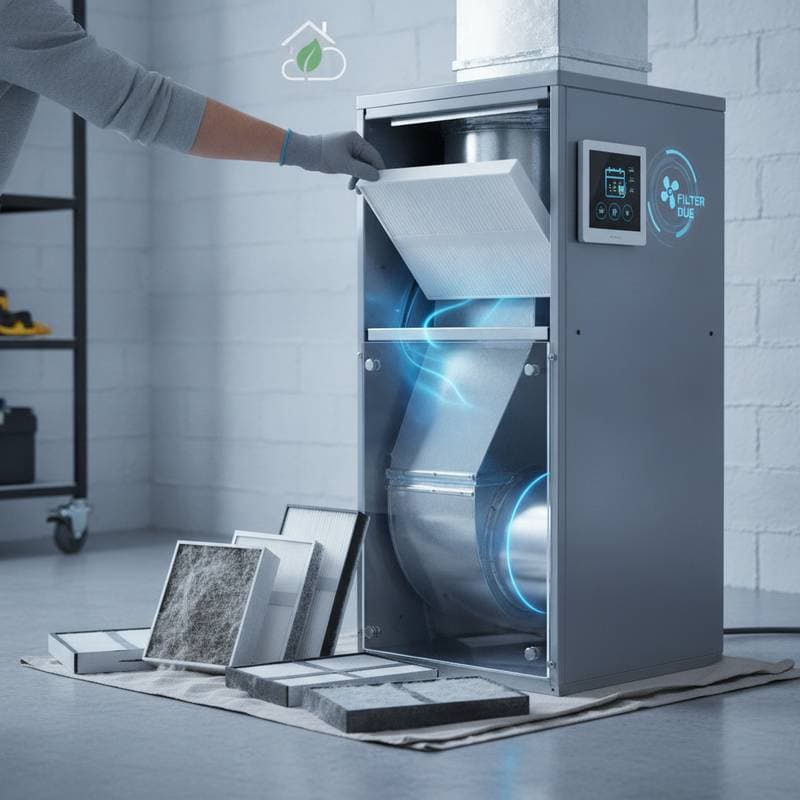
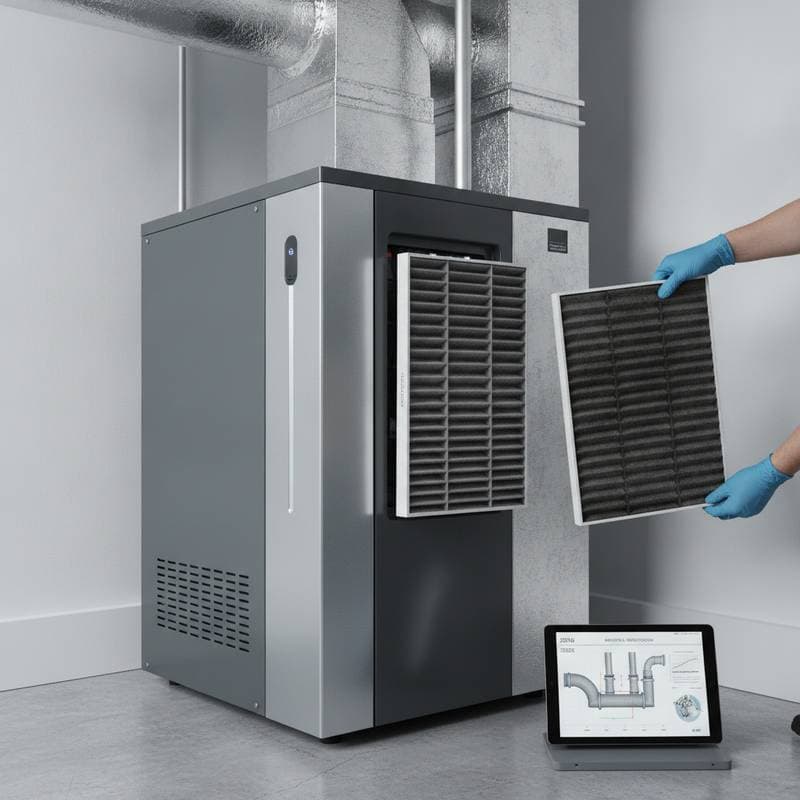
Opt for filters with MERV ratings of 11 or above to trap small particles. Renew them every two to three months. Standalone purifiers featuring high-efficiency particulate air technology eliminate 99.97 percent of floating matter. Place them in high-occupancy rooms such as bedrooms or gathering spaces.
Regulate Moisture Levels
Sustain relative humidity from 40 to 50 percent indoors. Deploy dehumidifying equipment in humid sublevels or washrooms. In arid regions, add moisture via humidifiers to curb particle suspension and ease breathing. Clean water tanks weekly to avoid bacterial proliferation.
Minimize Chemical Emissions
Select paints, coatings, and cleansers labeled low- or no-VOC. Keep substances in airtight storage distant from inhabited zones. Steer clear of fragrance-emitting items or misted products that introduce excess vapors.
Mitigate Radon and Carbon Monoxide Risks
For radon above safe limits, install extraction systems. Close ground fissures and augment subfloor airflow. Regarding carbon monoxide, verify proper exhaust on all burning devices and schedule yearly maintenance. Position alarms in corridors and adjacent to rest areas.
Limit Dust and Irritants
Use vacuums fitted with high-efficiency particulate air systems and launder linens in hot water each week. Swap soft flooring for solid surfaces if sensitivities or breathing conditions persist. Service ductwork and registers every few years to clear accumulations.
Ongoing Surveillance for Sustained Safety
After upgrades, persistent oversight maintains gains. Devices from manufacturers like Airthings, Awair, and IQAir deliver nonstop tracking of VOCs, carbon dioxide, and particles. Certain models sync with heating systems for automatic airflow tweaks. Community shares in tech discussion groups reveal how integrating these with climate controls cuts energy use while upholding purity.
Link detectors to voice-activated systems for notifications on rising levels. This automated cycle supports air health with minimal effort.
Timing for Follow-Up Tests
Indoor conditions shift with weather cycles, building alterations, and lifestyle patterns. Perform re-evaluations post significant occurrences, such as laying new surfaces or applying treatments. Yearly or twice-yearly checks confirm that additions or equipment introduce no surprises. Residences with aging climate systems or recurring dampness benefit from quarterly reviews.
Long-Term Benefits of Air Quality Management
Superior indoor air safeguards occupants and structures alike. It eases lung strain, minimizes residue layers, and halts fungal degradation of barriers or fillers. Consistent assessments paired with preventive tactics secure a secure, pleasant habitat enduringly.
Initiate with an entry-level kit or expert consultation, then act on insights with targeted changes. Monitor metrics longitudinally to detect shifts early. Proactive measures over air composition yield enduring wellness advantages through better exchange, reduced emissions, and balanced moisture.