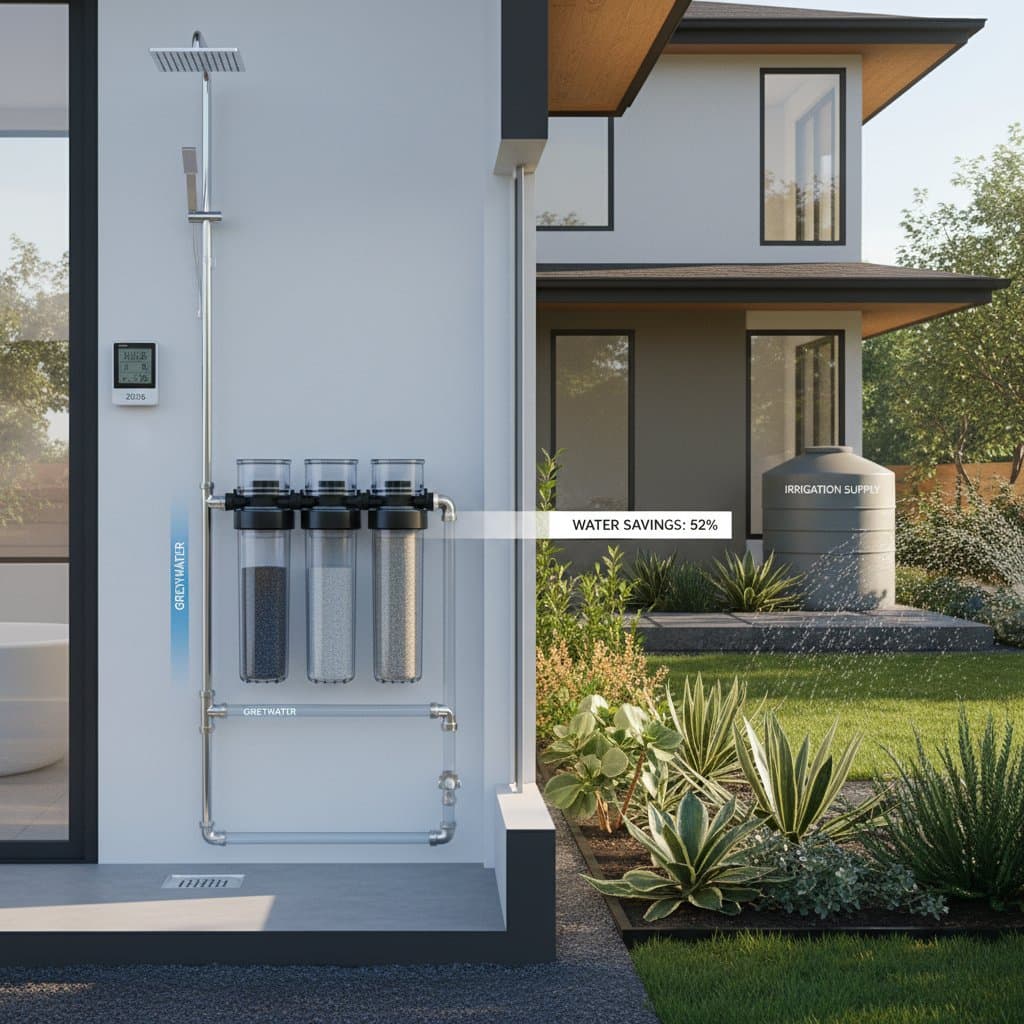
How Greywater Systems Can Halve Household Water Use
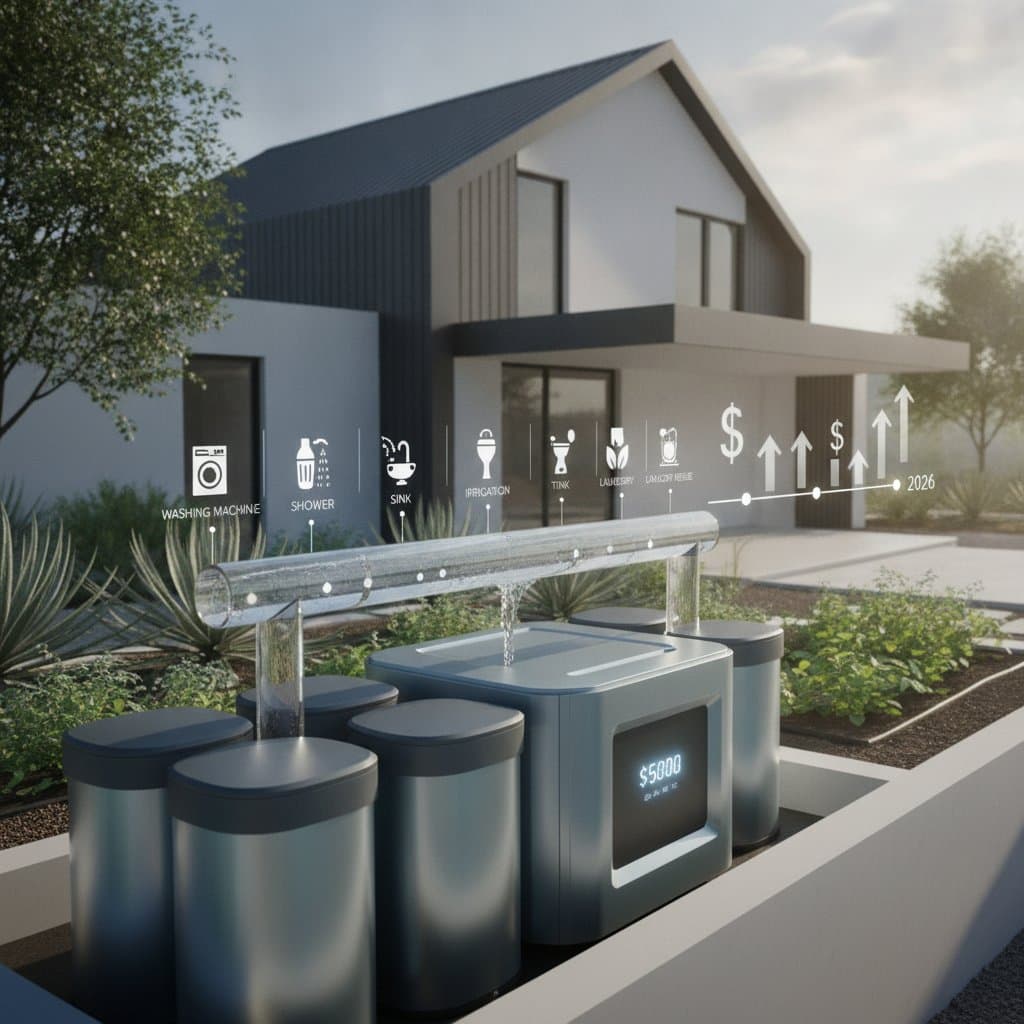
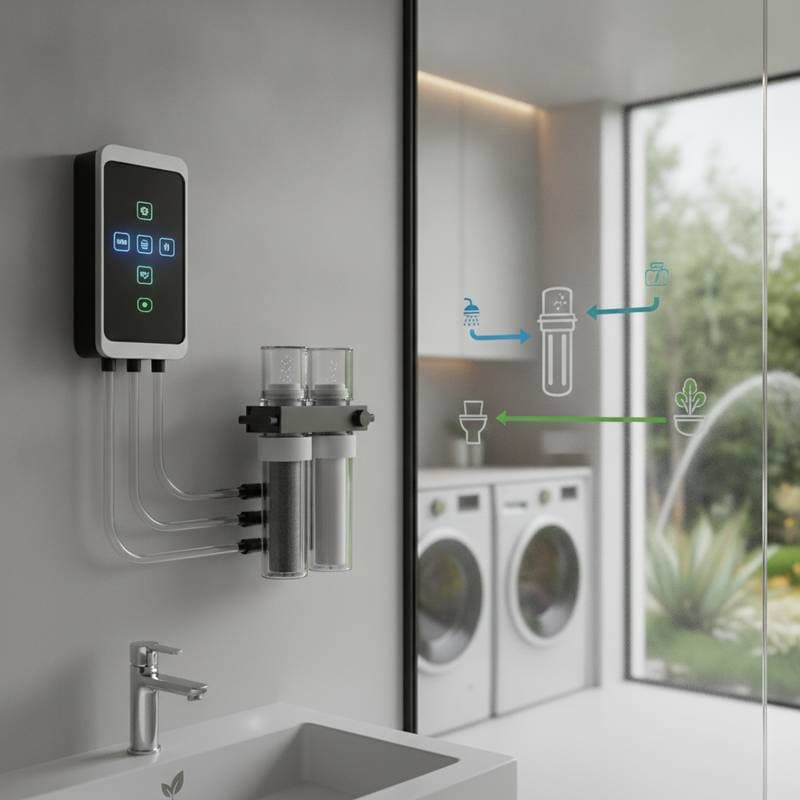
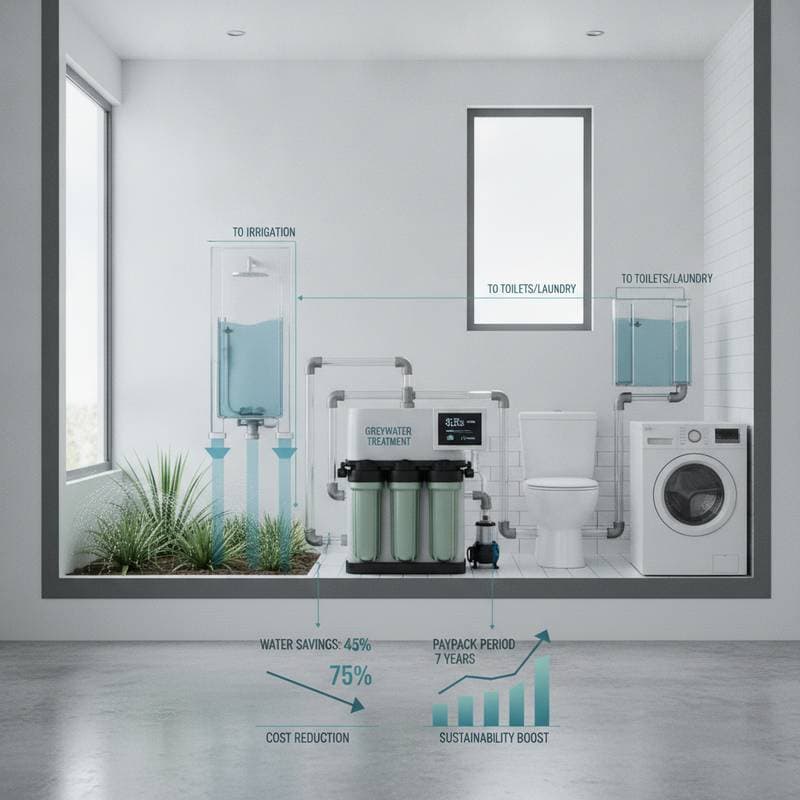
Water scarcity and escalating utility costs prompt homeowners to adopt innovative conservation methods. Greywater systems capture and repurpose water from household sources such as showers, sinks, and laundry, directing it toward non-potable uses like garden irrigation or toilet flushing. These setups achieve reductions in overall water consumption by up to 50 percent, easing financial burdens while contributing to environmental sustainability.
Homeowners often scrutinize monthly bills to pinpoint inefficiencies. A greywater system addresses this by transforming wastewater into a valuable resource, provided the installation aligns with the property's needs and local guidelines. Proper implementation minimizes risks and maximizes long-term benefits.
Breaking Down Greywater System Costs
Greywater systems range from basic configurations to advanced networks, with expenses influenced by scale, components, and installation method. Understanding these elements aids in budgeting. Divide costs into DIY and professional categories for clarity.
Costs for DIY Greywater Systems
DIY projects generally range from $300 to $2,000, depending on materials and scope. These systems suit modest applications, such as diverting laundry water to landscape beds. Key expenses include:
- Diverter valves, priced at $50 to $150 each, to route water from appliances.
- Piping and fittings, costing $100 to $500, for transporting water outdoors.
- Basic filtration units, around $100 to $300, to eliminate debris like lint and hair.
- Storage barrels or tanks, from $50 to $400, for temporary holding.
- Miscellaneous tools and connectors, adding $50 to $200.
Such systems appeal to those with basic plumbing skills, offering customization for specific garden zones. Savings arise from avoiding professional fees, yet success demands precise measurements and adherence to safety protocols to avoid leaks or contamination.
Costs for Professional Greywater Systems
Professional installations cost between $2,000 and $10,000 or more, scaling with home size and features. Complex setups in multi-story homes or those integrating with existing irrigation push expenses higher. Included elements often encompass:
- Automated pumps and multi-stage filters, valued at $500 to $2,000.
- Buried storage reservoirs, ranging from $1,000 to $3,000.
- Smart controllers for timed distribution, adding $300 to $800.
- Backflow preventers and regulatory compliance devices, $200 to $500.
Experts handle permitting and integration, ensuring seamless operation. Although initial outlays exceed DIY options, these systems deliver superior efficiency and durability, often recouping costs through water savings within three to five years in high-rate regions.
Key Factors Influencing Greywater System Pricing
Multiple variables shape the final investment:
- Property Configuration: Retrofitting vintage homes with concealed pipes may require $500 to $1,500 in additional excavation or rerouting.
- Scale of Operation: Systems serving multiple fixtures, such as full-bathroom collection, double material needs compared to laundry-only units.
- Filtration Sophistication: Basic screens cost under $200, while UV-treated systems for indoor reuse exceed $1,000.
- Regulatory Demands: Permit fees and inspections in strict jurisdictions add $200 to $800.
- Timing of Installation: Peak seasons inflate labor rates by 20 to 30 percent.
In water-stressed areas, rebates or incentives from utilities can offset 10 to 50 percent of costs, accelerating payback periods.
Comparing DIY and Professional Installations
Selection hinges on technical proficiency, project ambitions, and time commitment. Evaluate each approach against personal circumstances.
Strengths of DIY Greywater Systems
- Reduced expenses, limited to materials and self-labor.
- Tailored designs, such as zoning water for drought-tolerant plants.
- Hands-on learning, fostering greater appreciation for resource management.
Limitations of DIY Approaches
- Demands familiarity with plumbing basics to avoid code violations.
- Potential for inefficiencies, like uneven flow, if components mismatch.
- Ongoing vigilance required to detect issues early.
Advantages of Professional Services
- Guaranteed adherence to building codes and health standards.
- Optimized performance via engineered components and testing.
- Minimal owner involvement post-installation.
Challenges with Professional Options
- Elevated initial pricing due to expertise and overhead.
- Reduced scope for on-the-fly modifications without extra fees.
Essential Safety and Upkeep Practices
Greywater carries mild contaminants like soaps and skin cells, rendering it unfit for potable or culinary applications. Direct it solely to subsurface irrigation or fixtures. Employ biodegradable, phosphate-free cleaners to safeguard soil biology. Schedule filter rinses biweekly and inspect lines quarterly for blockages, using enzyme treatments to dissolve residues.
Common Questions About Greywater Systems
What Savings Can Homeowners Expect?
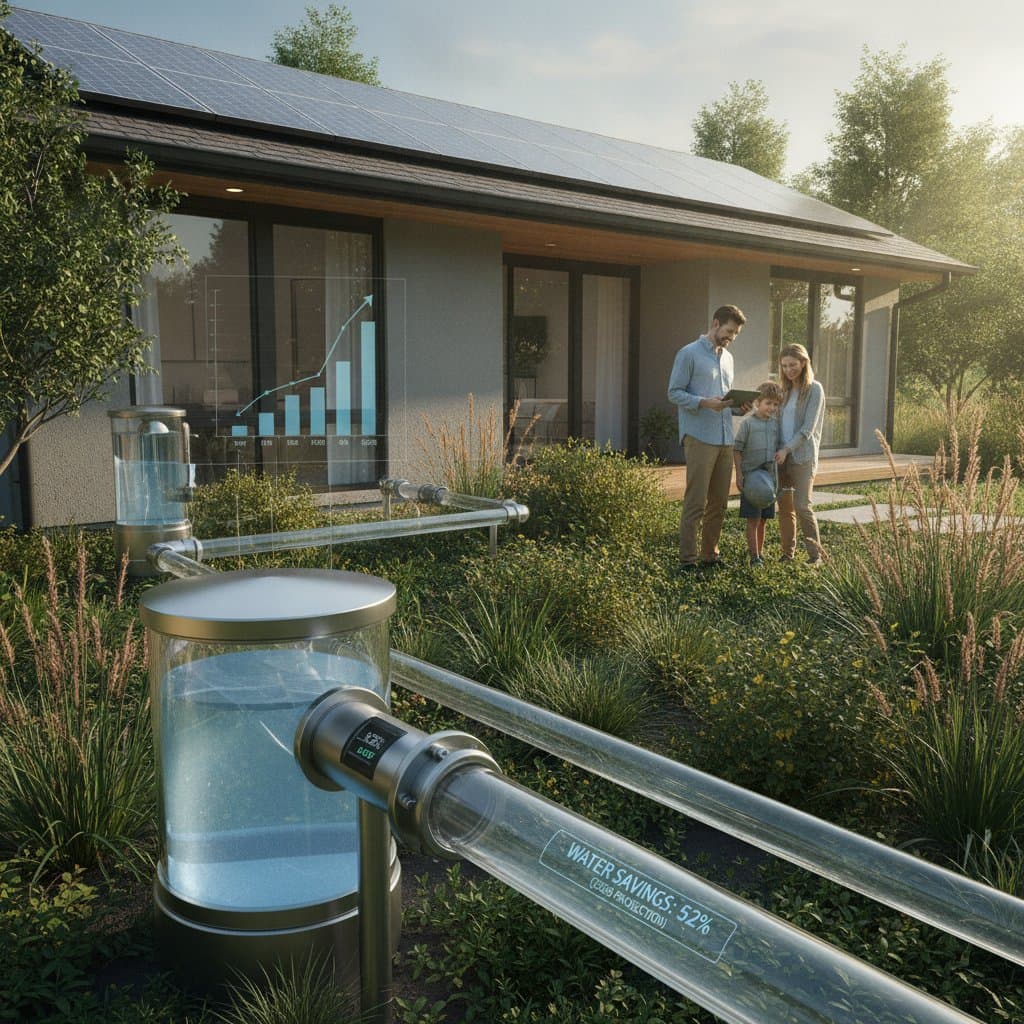
Effective systems reclaim 30 to 50 percent of indoor water, translating to annual savings of $200 to $500 in moderate climates.
Which Water Sources Are Suitable?
Prioritize showers, lavatories, and washers; exclude kitchen effluents and blackwater from toilets due to pathogens.
Are Permits Necessary?
Most municipalities mandate approvals for plumbed connections; standalone diverters for landscapes often bypass this.
What Maintenance Routine Applies?
Monthly filter checks suffice for light use; annual professional audits benefit intricate setups.
Is Storage Advisable?
Limit to 24 to 48 hours in shaded tanks to curb stagnation; immediate reuse prevents microbial issues.
Does Greywater Impact Landscapes?
Properly applied, it enriches soil with nutrients; salt buildup from hard water necessitates periodic flushing.
Can It Support Indoor Uses?
Advanced treatments enable toilet or laundry replenishment, though costs rise accordingly.
How Long Does Setup Take?
DIY units install in 4 to 8 hours; pros complete full systems in 1 to 3 days.
What to Inquire of Installers?
Probe system throughput, component lifespans, service intervals, and integration with home automation.
How to Spot Unreliable Contractors?
Steer clear of those omitting code discussions, lacking certifications, or quoting vague totals.
Step-by-Step Path to Greywater Adoption
- Audit Usage Patterns: Track bills and fixtures over a month to quantify waste hotspots.
- Gauge Capabilities: Test plumbing aptitude via small repairs; consult tutorials if unsure.
- Project Budgets: Tally materials via supplier quotes, factoring 20 percent for contingencies.
- Navigate Regulations: Contact building departments for zoning rules and rebate programs.
- Select and Proceed: Weigh pros against DIY feasibility, then source quality parts.
Integrating Greywater for Enduring Efficiency
Adopting a greywater system positions households at the forefront of water stewardship. Beyond immediate savings, it cultivates resilience against shortages and inspires broader eco-practices. With thoughtful planning, this investment yields dividends in cost control and planetary health well into the future.