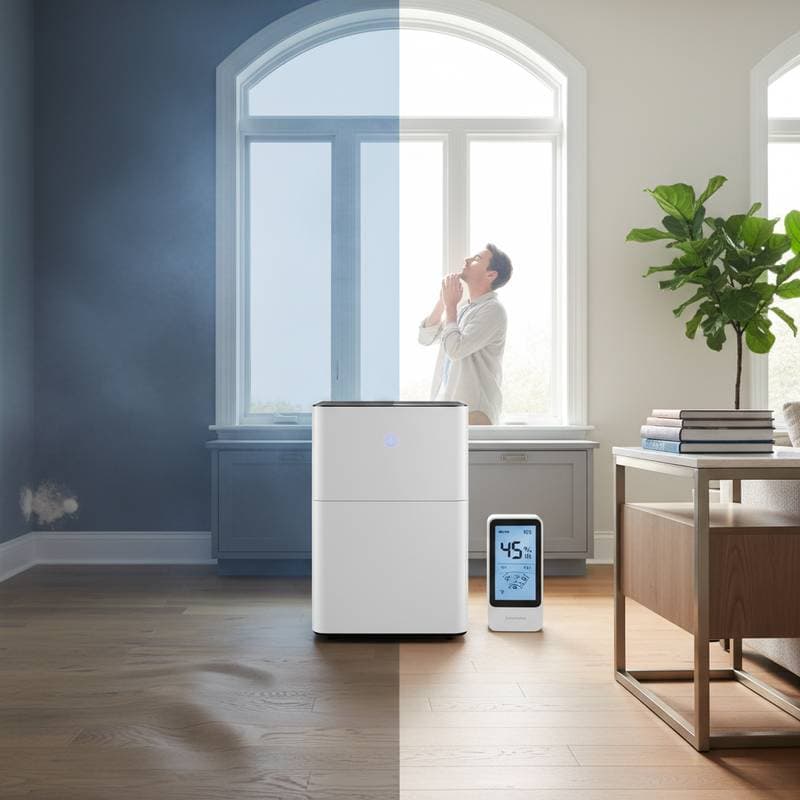
10 Clear Signs Your Home Requires a Whole House Dehumidifier
Humidity levels above 50 percent can lead to structural damage, health issues, and higher energy costs in your home. A whole house dehumidifier integrates with your HVAC system to remove excess moisture throughout the entire space, maintaining optimal indoor conditions. Recognizing the signs early allows you to address the problem before it escalates.
This guide outlines key indicators of high humidity, explains how to assess them, and provides steps for installation and maintenance. By controlling moisture, you protect your property and enhance daily comfort.
1. Persistent Musty Odors
A musty odor often signals hidden moisture buildup in areas like basements or behind walls. Mold and mildew produce this smell as they grow in damp environments. The scent may intensify after rainfall or when humidity rises.
Regular cleaning provides temporary relief, but the odor returns if moisture persists. Install a whole house dehumidifier to reduce humidity levels below 50 percent, preventing mold regeneration and eliminating the source of the smell.
2. Condensation on Windows and Mirrors
Condensation occurs when warm, moist air contacts cooler surfaces, forming water droplets. While common in bathrooms, persistent condensation on living room windows or bedroom mirrors indicates elevated indoor humidity. This can lead to rot in window frames and peeling paint over time.
A single-room dehumidifier addresses isolated spots, but a whole house system treats the entire home by dehumidifying air as it circulates through ducts. This approach stops condensation formation and protects surfaces from moisture damage.
3. Visible Mold Growth and Worsening Allergies
Mold appears as black or green spots on walls, ceilings, or vents in humid conditions. It spreads rapidly if humidity exceeds 60 percent, often hiding behind surfaces or under floors. Exposure to mold spores can trigger allergies, including sneezing, coughing, and skin irritation.
Reducing humidity with a whole house dehumidifier limits mold growth and allergen proliferation. Homeowners typically notice fewer allergy symptoms and cleaner HVAC filters, as lower moisture discourages dust mites and other irritants.
4. Warped Wood and Peeling Paint
Excess moisture causes wood elements, such as floors and doors, to swell and warp. Paint bubbles or peels as water vapor penetrates layers beneath. These issues signal ongoing deterioration that compromises your home's appearance and stability.
Frequent repairs become costly without addressing the root cause. A whole house dehumidifier stabilizes humidity, preventing material expansion and contraction that lead to premature failure.
5. Sticky Air and Inefficient Cooling
High humidity prevents sweat from evaporating, creating a clammy sensation despite moderate temperatures. Your air conditioner may run longer without achieving comfort, as it struggles to remove moisture alongside heat.
This inefficiency increases energy use. Pairing your HVAC with a whole house dehumidifier allows the system to cool more effectively, enabling you to set the thermostat higher while maintaining comfort and reducing bills.
6. Rising Energy Bills
Moist air retains heat, forcing your cooling system to operate longer cycles. If bills increase without changes in usage or weather, humidity could be the factor. The added workload shortens equipment life and raises costs.
A whole house dehumidifier eases the burden on your HVAC by maintaining 40-50 percent humidity. This adjustment can lower energy consumption by up to 30 percent during peak seasons.
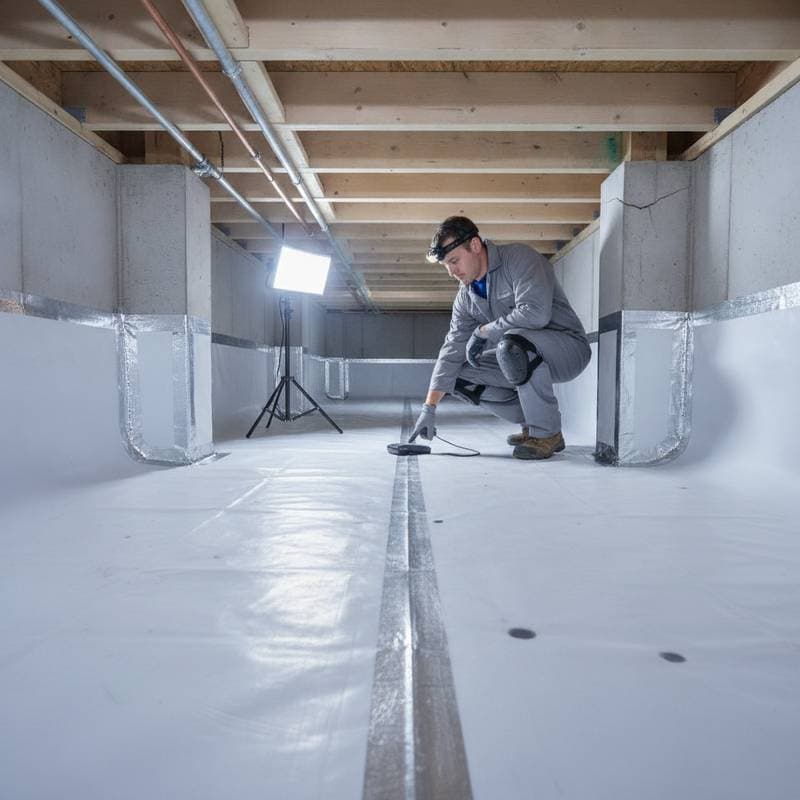
7. Dampness in Basements and Crawl Spaces
Lower levels like basements trap moisture due to poor ventilation and ground contact. Signs include wet walls, white mineral deposits on concrete, or mildew on stored items. Moisture enters through cracks or soil evaporation.
Portable units often fail to manage large volumes here. A whole house dehumidifier draws air from these areas through ductwork, drying them comprehensively and preventing water accumulation with automatic drainage.
8. Rust on Fixtures and Corrosion in Electronics
Humidity speeds up oxidation on metal surfaces, causing rust on hinges, vents, or pipes. Electronics suffer from internal moisture, leading to malfunctions in devices like computers or appliances.
In humid climates, these problems accelerate. A whole house dehumidifier safeguards metals and circuits by keeping air dry, extending the durability of fixtures and gadgets throughout your home.
9. Elevated Humidity Readings
Use a hygrometer to measure indoor levels; aim for 40-50 percent. Readings above 60 percent confirm excess moisture, even if other signs are subtle. Variations occur across rooms in multi-story homes.
Ventilation tweaks help temporarily, but a whole house system ensures uniform control. Monitor levels regularly to verify the unit maintains balance in all areas.
10. Recurring Health Issues
High humidity fosters allergens like dust mites, exacerbating asthma, congestion, or headaches. Symptoms may improve outdoors but return inside, indicating poor air quality.
Moisture control complements filtration by curbing allergen growth. A whole house dehumidifier promotes healthier air, reducing respiratory problems and enhancing overall well-being.
Steps for Professional Installation
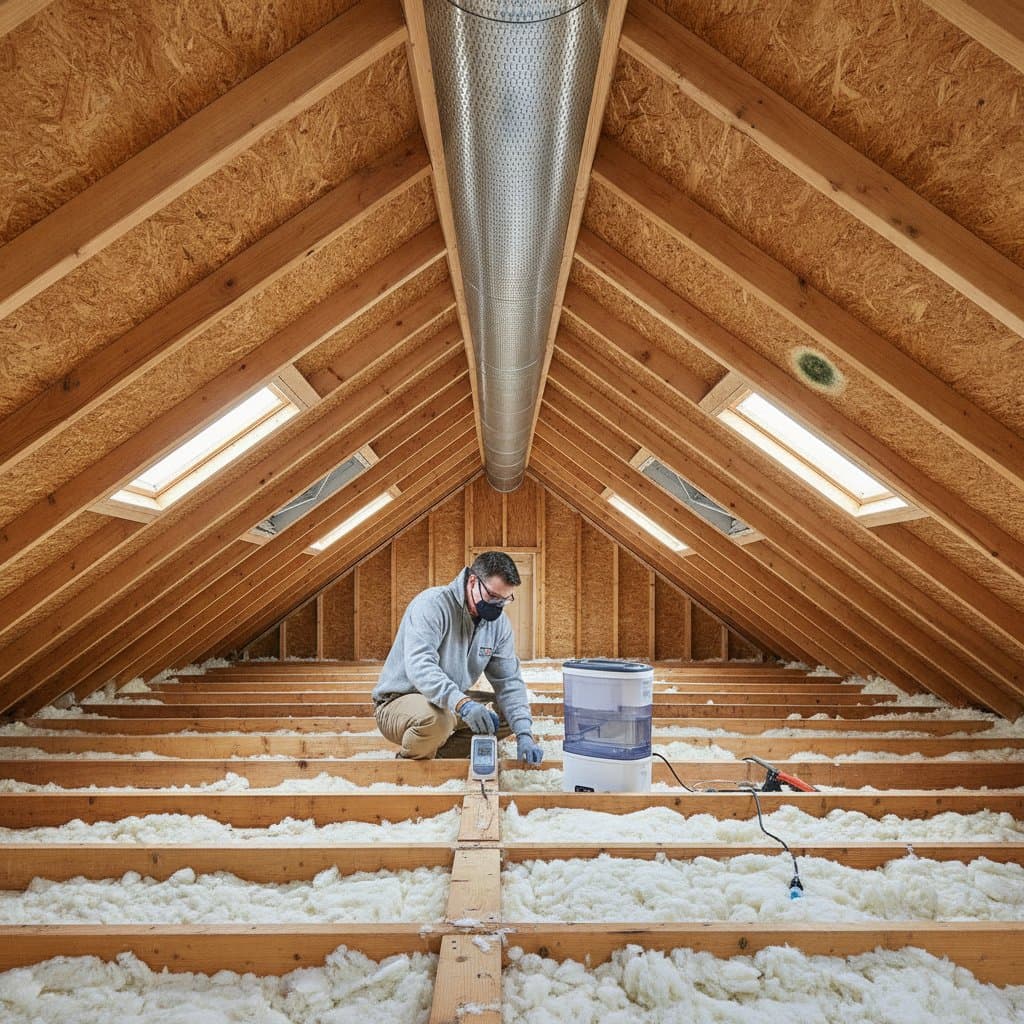
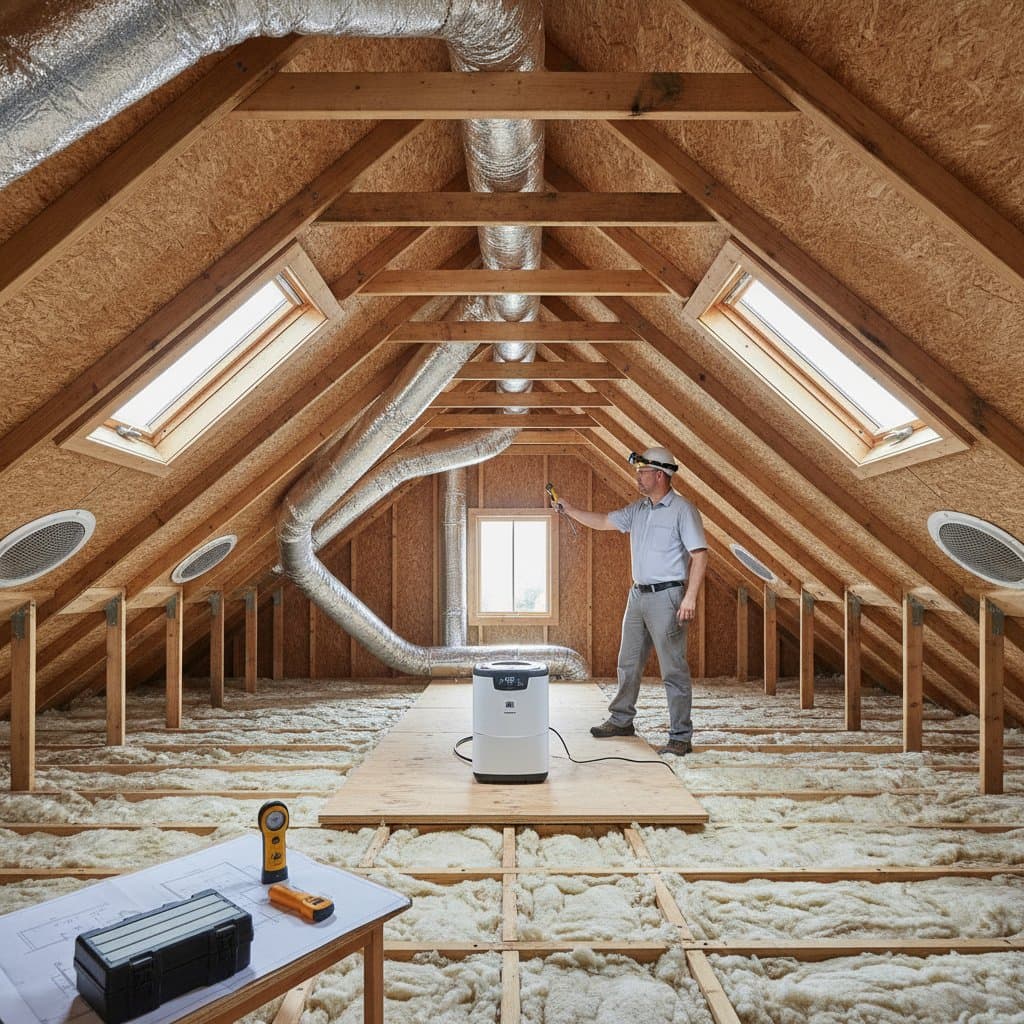
Whole house dehumidifiers require integration with your HVAC system, including duct connections and drainage setup. Professionals assess your home's square footage, insulation, and layout to select the right capacity.
Expect a site visit for precise measurements. Modern units pair with smart thermostats for remote monitoring. Choose Energy Star-certified models for efficient operation without excess energy draw.
Evaluating Costs and Returns
Upfront costs range from $1,500 to $3,000, depending on size and features. Savings accrue from lower energy use, avoided repairs, and extended HVAC life. Mold removal or wood restoration often costs more than the initial investment.
Many systems recoup expenses within 2-3 years through reduced bills. Consult contractors for detailed quotes, including warranties that cover parts and labor.
Ongoing Maintenance Practices
Replace filters every 3-6 months and inspect drain lines for clogs. Clear dust around the unit to maintain airflow. Annual professional tune-ups check sensors and performance.
Self-cleaning models simplify care. Consistent upkeep ensures reliable humidity control and prevents costly downtime.
Selecting an Appropriate System
Capacity matters: undersized units overwork, while oversized ones cycle inefficiently. Technicians perform calculations based on climate and home design.
Reliable brands include Aprilaire, Honeywell, and Santa Fe, known for quiet performance. Review estimates and warranties to match your needs.
Steps to Protect Your Home Long-Term
Address humidity promptly to avoid escalation. Combine a whole house dehumidifier with sealing cracks and improving ventilation for comprehensive protection. Enjoy a drier, healthier home with sustained savings and comfort.