Protect Family Health with 2026 Air Quality Testing
Indoor air quality shapes daily comfort and well-being in your home. Homeowners often prioritize surface cleaning yet neglect airborne threats like dust, pollen, mold spores, and volatile organic compounds (VOCs). These invisible elements can irritate respiratory systems and contribute to long-term health concerns. Regular air quality testing uncovers these risks, fostering a healthier living space for everyone.
This guide details the mechanics of air quality testing, cost influences, and choices between DIY and professional methods. It covers home preparation steps, process expectations, and decision-making strategies to empower informed actions for family protection.
Understanding Air Quality Testing Costs
Air quality testing employs specialized tools and lab processes to pinpoint indoor contaminants. Expenses vary by test scope, home dimensions, and analytical depth. The following sections break down typical ranges and key variables.
DIY Air Quality Testing Costs
DIY kits offer accessible entry points for initial evaluations. Costs span from $20 for simple carbon monoxide detectors to $150 for multi-pollutant panels targeting mold, VOCs, or particulates.
Key expenses encompass:
- Kits priced by detection range and precision.
- Lab processing fees, often $30 to $80 per sample.
- Sensor replacements or calibrations, around $10 to $50 annually for ongoing monitors.
These options provide quick snapshots but risk lower precision without expert oversight. Adhere strictly to protocols to prevent sample errors.
Professional Air Quality Testing Costs
Experts deploy calibrated devices for thorough inspections, yielding reliable data on mold, VOCs, radon, carbon monoxide, and particulates. Fees typically range from $300 to $1,000, depending on comprehensiveness.
Included elements feature:
- Inspector labor at $75 to $150 per hour.
- Rental of pumps, meters, and samplers.
- Lab evaluations for precise contaminant profiling.
- Tailored reports with mitigation strategies.
Extended properties or intricate systems elevate totals. Regional factors, such as high humidity zones, may necessitate expanded protocols.
Factors That Affect Pricing
Multiple variables shape final costs:
- Home size, demanding additional sampling sites in expansive layouts.
- Pollutant variety, with radon or VOC assays adding $100 to $300.
- Geographic location, where metropolitan premiums can increase rates by 20 percent.
- Repeat testing schedules, potentially qualifying for 10 to 15 percent discounts.
- Post-test follow-ups, essential after remediation to verify improvements.
When DIY Might Save Money and When It Might Not
Opt for DIY to monitor targeted zones like basements affordably, saving up to 70 percent versus pros. Yet, flawed techniques might prompt costly retests or overlooked dangers. For persistent issues like indoor allergies or fatigue, professional accuracy justifies the investment, averting health expenses over time.
| Aspect | DIY Range | Professional Range |
|---|---|---|
| Basic Pollutant Check | $20–$100 | $300–$500 |
| Comprehensive Multi-Pollutant | $100–$200 | $500–$1,000 |
| Lab Fees (per sample) | $30–$80 | Included |
| Total for Average Home | $50–$250 | $400–$800 |
DIY vs Professional: Making the Right Choice
Selection hinges on objectives, finances, and technical aptitude. Weighing pros and cons clarifies the optimal path for your circumstances.
Benefits and Drawbacks of DIY Air Quality Testing
Benefits:
- Affordable entry, often under $100.
- Immediate setup for routine spot-checks.
- Flexible repetition without appointments.
Drawbacks:
- Reduced sensitivity for trace levels.
- Error risks from improper handling.
- Absence of interpretive guidance.
Benefits and Drawbacks of Professional Testing
Benefits:
- Superior precision through certified tools.
- Broad-spectrum analysis.
- Actionable insights and documentation.
Drawbacks:
- Elevated fees and coordination needs.
- Delays from lab turnaround, typically 3 to 7 days.
- Possible additional site visits.
Skill Level and Tools for DIY Testing
Basic proficiency suffices for most kits. Essential items include:
- Selected test kits or smart sensors.
- Protective gloves and masks.
- Sterile sample vessels.
- Detailed logs for timestamps and locations.
Execute during stable conditions, steering clear of peak activity periods like meal preparation.
Risks and Safety Considerations
Flawed assessments might conceal threats, prolonging exposure to irritants. VOCs from household items provoke dizziness and breathing difficulties; mold exacerbates asthma. Calibrated professional gear minimizes detection gaps, prioritizing safety.
Time Commitment Comparison
DIY yields results in hours via on-site readers or days post-lab. Professionals invest 2 to 4 hours on-site, with reports in 5 to 10 days. Expedited services can shorten waits for urgent cases.
Your Air Quality Testing Questions, Answered
Expert responses to frequent inquiries.
What does air quality testing detect?
Tests reveal VOCs, carbon monoxide, mold, radon, formaldehyde, and PM2.5 particles. Advanced options track humidity and ventilation efficiency.
How often should I test my home’s air?
Annual checks establish norms. Reassess post-floods, remodels, or material additions like flooring.
Are DIY test kits reliable?
They flag major issues effectively but falter on subtle contaminants. Professionals excel for symptom-linked concerns.
What symptoms suggest poor indoor air quality?
Watch for indoor-worsening coughs, irritations, tiredness, or scents. Mold sightings demand prompt action.
Do I need a professional if I suspect mold?
Absolutely. Specialists employ air grabs and imaging to trace concealed sources.
What are VOCs, and why are they harmful?
Emissions from solvents and synthetics, VOCs irritate lungs and induce nausea with chronic contact.
Can air purifiers replace testing?
Purifiers filter particles but ignore origins. Testing pinpoints needs for targeted fixes.
Do professionals test for radon?
Routinely, via passive or active methods for this silent basement accumulator.
Should I test before selling a home?
Yes, to bolster buyer confidence and sidestep liability.
What should I ask a professional tester?
Inquire on credentials, scope, timelines, and fix plans.
Are there regulations for indoor air testing?
Vary by locale; some mandate radon pre-sale. Experts navigate compliance.
How long does testing take?
On-site: 2–4 hours. Analysis: 3–7 days.
What can I do to improve air quality between tests?
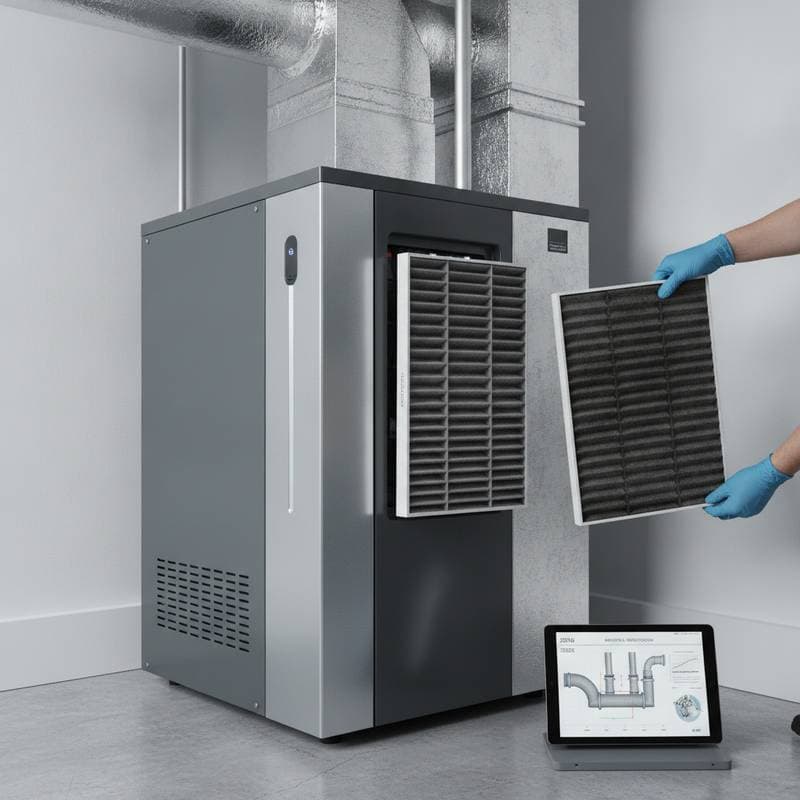
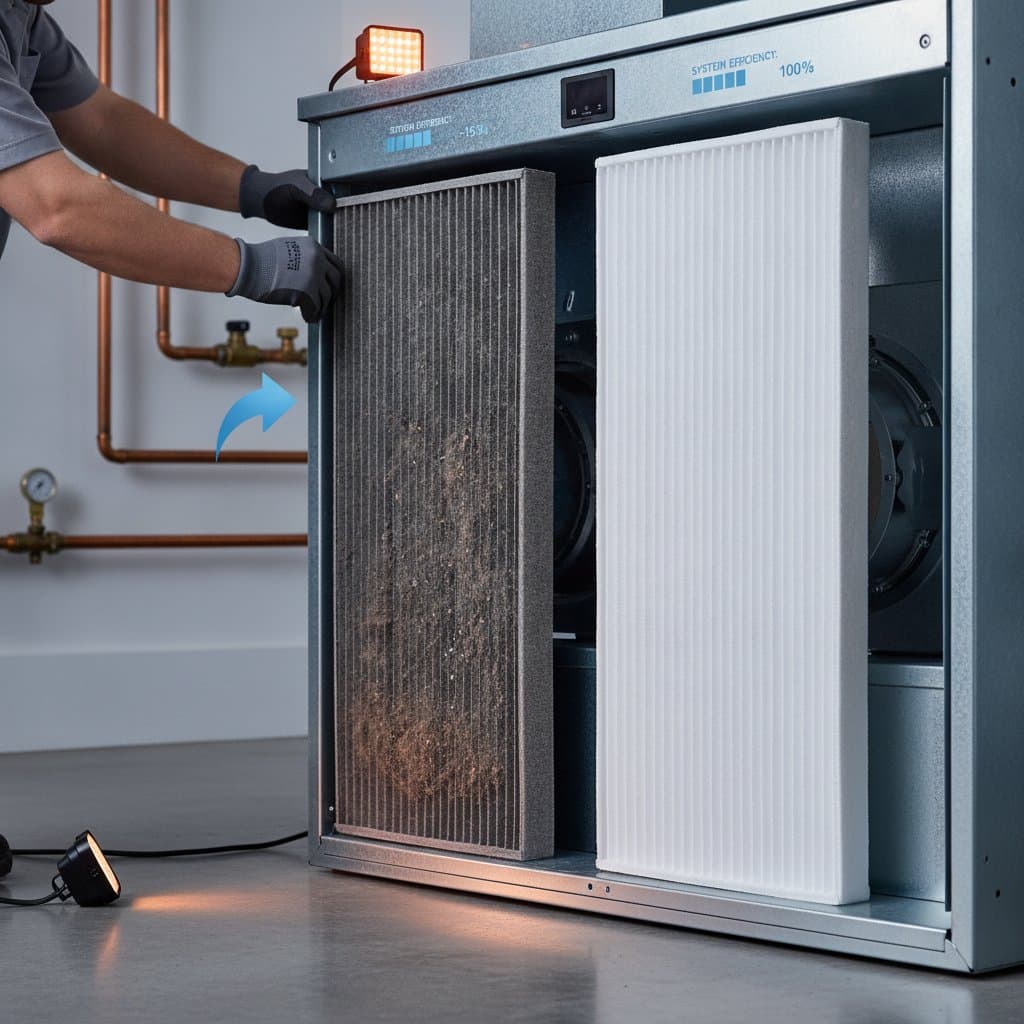
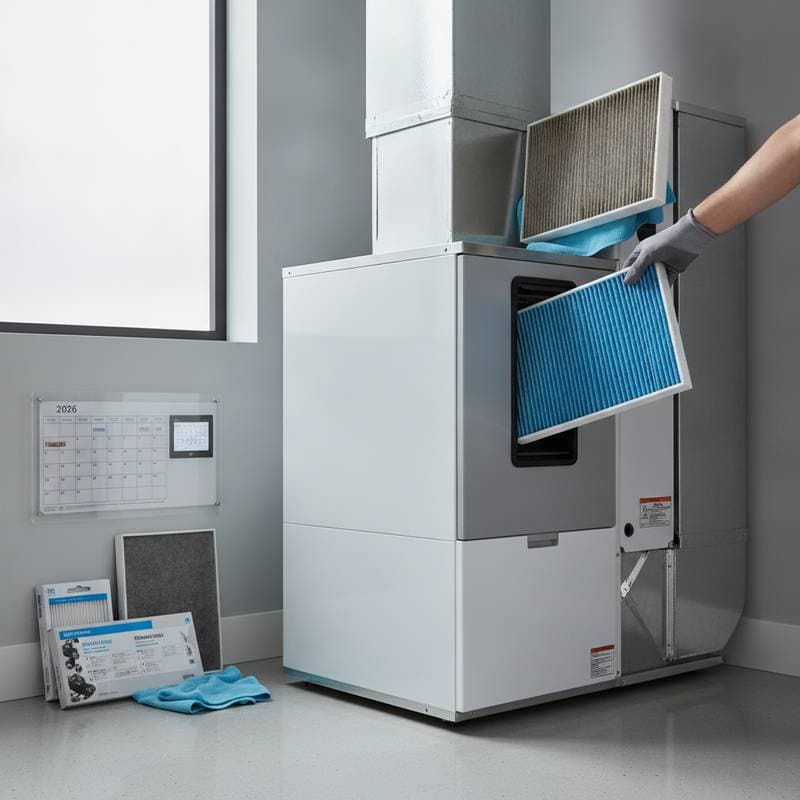
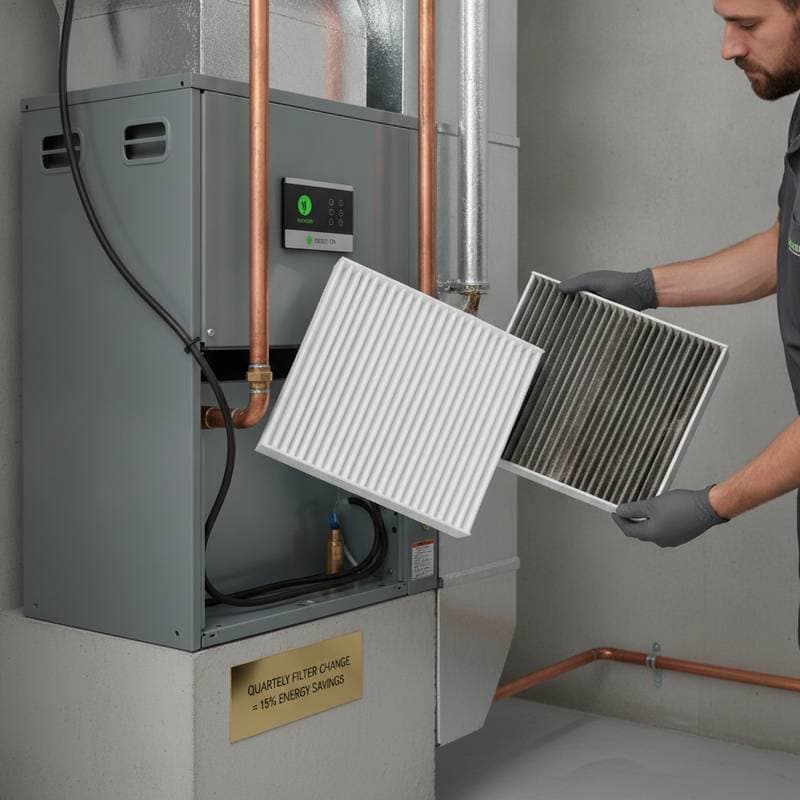
Ventilate regularly, swap filters quarterly, opt for low-VOC cleaners, and manage moisture levels.
How to Decide: Your Step-by-Step Guide
Step 1: Assess Your Situation
Note health signals, odors, or structural clues like dampness. Factor in home history, including builds over 20 years old or recent changes.
Step 2: Evaluate Your Skills and Resources
If adept at protocols, start DIY. For depth or doubt, engage experts.
Step 3: Calculate True Costs
Tally kits, labs, and remedies. Pros often deliver value through prevention.
Step 4: Conduct a Risk Assessment
Weigh exposure potentials against budget. High-stakes scenarios, like young children or respiratory conditions, favor professionals.
Sustaining Optimal Indoor Air
Post-testing, integrate habits like HEPA filtration and plant-based oxygenation. Schedule vents seasonally and monitor humidity below 50 percent. These practices extend test benefits, ensuring enduring family wellness.