AI-Powered Leak Detection: Integration into Home Warranties
Water leaks rank among the most disruptive and expensive challenges for homeowners. A minor seep behind drywall can escalate into structural damage, mold proliferation, and repair bills exceeding thousands of dollars. Emerging AI technologies address these vulnerabilities by enabling proactive detection, and by 2026, numerous home warranty providers plan to incorporate such systems into standard coverage. This shift promises enhanced protection through predictive analytics and automated responses.
Mechanisms of AI-Powered Leak Detection
Conventional leak detectors activate solely upon direct contact with moisture, often after damage has begun. In contrast, AI-driven systems analyze multiple data streams, including water flow rates, pressure fluctuations, and historical usage patterns. Machine learning algorithms identify anomalies, such as gradual pressure drops indicative of a forming leak, and issue alerts before water escapes visibly.
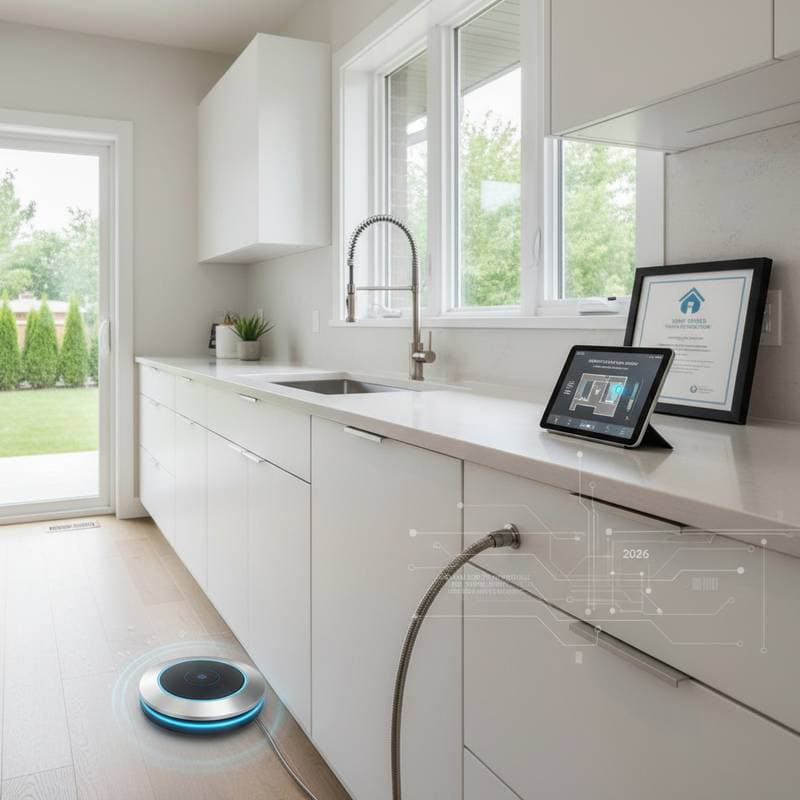
These systems typically integrate with a home's plumbing via sensors placed at key points like under sinks, near water heaters, and along main lines. Connected to a smartphone app or central controller, they provide real-time dashboards of water consumption and can trigger automatic shutoff valves to isolate affected areas. Homeowners receive customizable notifications, from subtle usage summaries to urgent leak warnings, fostering a shift from reactive repairs to preventive maintenance.
Suggested image: A labeled diagram illustrating a network of AI sensors throughout a home's plumbing system, with alt text reading "AI leak detection system overview."
Rationale for Warranty Providers Adopting AI Leak Detection
Home warranty companies view AI integration as a strategic move to mitigate financial risks associated with water damage claims, which account for a significant portion of payouts. Proactive monitoring reduces the frequency and severity of incidents, allowing providers to allocate resources more efficiently. For instance, early intervention can prevent small leaks from becoming floods, thereby extending the lifespan of appliances and fixtures.
Industry reports indicate that homes equipped with AI leak detection experience up to 40 percent fewer water-related claims. Providers benefit from aggregated data that informs underwriting decisions and refines coverage models. As a result, several major warranty firms have announced pilots where AI systems come bundled with policies, often at no additional premium for eligible properties.
Suggested chart: A bar graph comparing average annual water damage claims for traditional versus AI-monitored homes, with alt text "Reduction in water damage claims through AI detection."
Key Advantages for Homeowners
Beyond financial protection, AI leak detection empowers homeowners with greater oversight of their water infrastructure. Systems deliver precise, timely insights that traditional methods cannot match, transforming routine home management into an informed process.
- Immediate Notifications: Alerts arrive via app or email for detected irregularities, such as unusual flow spikes or pressure anomalies, enabling swift action.
- Automated Safeguards: Remote activation of shutoff mechanisms halts water flow instantly, minimizing damage during absences.
- Insurance Incentives: Many carriers provide rate reductions for properties with verified smart systems, potentially lowering overall premiums by 5 to 10 percent.
- Resource Efficiency: Usage analytics highlight inefficiencies, like slow drips or high-consumption fixtures, supporting targeted conservation efforts that reduce utility bills.
- Predictive Maintenance: Long-term data trends reveal wear patterns, guiding decisions on pipe replacements or system upgrades before failures occur.
Testimonials from online homeowner communities underscore these outcomes. One user recounted how their AI sensor identified a corroding pipe fitting in the basement, averting a flood that could have displaced their family for weeks and incurred $5,000 in remediation costs.
Pricing Structures and Coverage Specifics
AI leak detection options span basic setups for targeted areas to comprehensive whole-home solutions. Starter kits, featuring a few wireless sensors, start at around $150, comparable to a single emergency plumber call. Advanced configurations, including multi-zone monitoring and integration with smart home ecosystems, range from $500 to $1,200, with installation often completed in under a day.
Home warranties generally cover essential elements when AI detection is included:
- Initial sensor deployment and calibration by certified technicians.
- Ongoing subscription for cloud-based analytics and alert services.
- Remediation for leaks confirmed by the system, up to policy limits.
- Subsidized replacement of malfunctioning components.
Variations exist across providers, so reviewing policy documents or consulting agents ensures alignment with specific needs. Some plans offer tiered options, where enhanced AI features unlock broader protection against secondary damages like mold.
Essential Maintenance Practices for Reliability
To maximize effectiveness, AI systems require periodic attention from homeowners. Neglect can lead to false alerts or missed detections, undermining the technology's potential.
- Conduct monthly tests by simulating low-flow conditions to verify sensor responsiveness.
- Monitor battery levels on wireless units and recharge or replace as indicators prompt.
- Schedule firmware updates through the app to incorporate improved algorithms and security patches.
- Perform quarterly inspections of water pressure using built-in gauges to detect underlying issues early.
Combining these habits with annual professional plumbing audits creates a robust defense against water-related hazards.
Steps to Incorporate AI Detection into Your Warranty
Transitioning to AI-enhanced coverage begins with evaluating existing policies for smart technology endorsements. Contact your provider to inquire about inclusion or add-on riders, many of which activate within a billing cycle. For non-covered plans, explore partnerships between warranty firms and device manufacturers that streamline installation and integrate data seamlessly.
Professional setup involves site assessments to optimize sensor placement, followed by app configuration for personalized alerts. Initial costs may qualify for rebates through utility programs or warranty incentives. This integration not only safeguards against immediate threats but also positions homes for long-term resilience in an era of advancing smart technologies.
Quotable insights:
"AI transforms leak prevention from mere reaction to intelligent foresight."
"Continuous monitoring equips homeowners to master the hidden risks of water systems, ensuring stability and savings."
Further enhancements: Consider embedding expert perspectives on emerging warranty standards or demonstrations of rapid sensor activations.