Why Fall Filter Replacement Matters
As cooler weather arrives in fall 2026, homeowners prepare for increased reliance on heating systems. Replacing HVAC filters at this juncture optimizes performance before peak winter usage. This proactive step not only enhances efficiency but also safeguards health and finances throughout the heating season.
Key Benefits of Timely Filter Replacement
Fall filter changes deliver immediate and sustained advantages for any home heating and cooling setup.
Enhanced Energy Efficiency
A fresh filter permits unrestricted airflow, easing the workload on blowers and motors. Efficiency experts note that well-maintained filters reduce energy consumption by as much as 15 percent during heating cycles. Homeowners observe noticeable drops in monthly utility statements after implementing this routine.
Superior Indoor Air Quality
With windows sealed against autumn chill, indoor pollutants accumulate more readily. New filters capture dust, pollen, and mold spores effectively, preventing their spread through vents. This results in fewer allergy symptoms and a fresher living environment for occupants.
Prolonged Equipment Lifespan
Unobstructed airflow minimizes wear on critical components like coils and fans. Regular replacements can extend the operational life of furnaces and air handlers by several years. Technicians confirm that systems with consistent maintenance endure longer under heavy winter loads.
Reduced Repair Expenses
Addressing filters proactively avoids costly breakdowns from debris buildup. A set of filters costs far less than professional repairs for damaged parts. This approach shifts spending from emergencies to affordable upkeep.
Consistent Comfort Levels
Balanced airflow from clean filters eliminates temperature variations across rooms. Heating distributes evenly, creating cozy spaces without drafts or overly warm areas. Families enjoy reliable warmth from the start of the season.
Over time, these advantages compound, transforming basic maintenance into significant household savings.
Insights from Homeowners and Professionals
Real-life accounts illustrate the impact of filter changes. On online forums, one homeowner recounted how persistent cold spots in bedrooms resolved completely after swapping a dusty filter. The adjustment restored even heat flow, eliminating the need for supplemental space heaters.
Another individual reported a quieter furnace operation and a 10 percent reduction in heating costs within the first month. Service professionals frequently encounter calls for sluggish systems, only to discover clogged filters as the root cause. These neglected items, unchanged for months, force equipment to labor excessively.
Such stories emphasize the simplicity of prevention. By acting in fall, before systems face intense demands, individuals avert disruptions and preserve budgets.
Selecting and Using Visual Resources
Visual aids simplify filter management for beginners and experts alike. Consider incorporating a comparison chart of filter options, complete with MERV ratings that indicate particle capture efficiency and expected airflow rates.
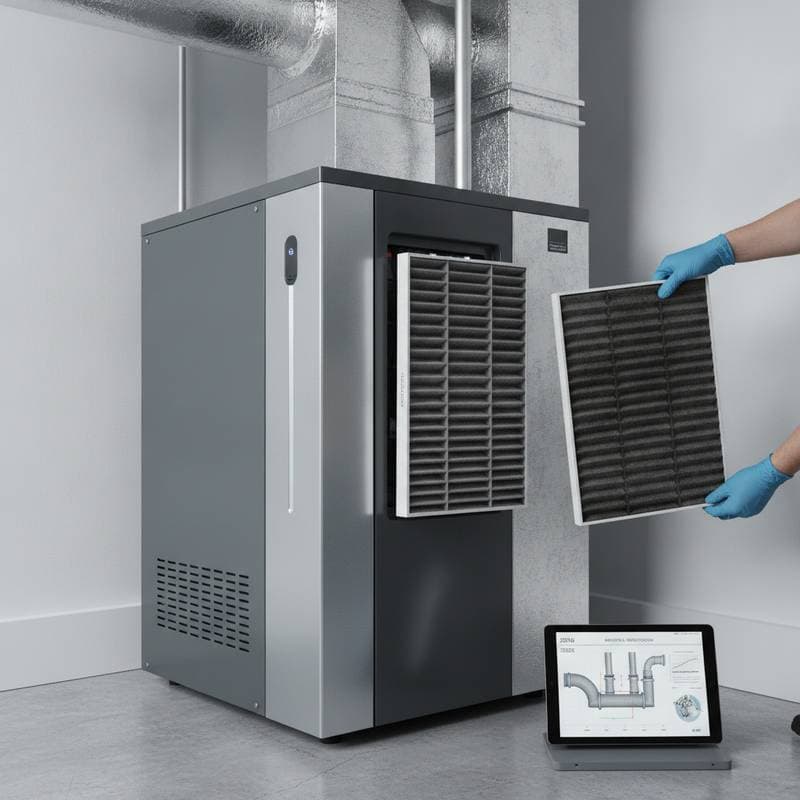
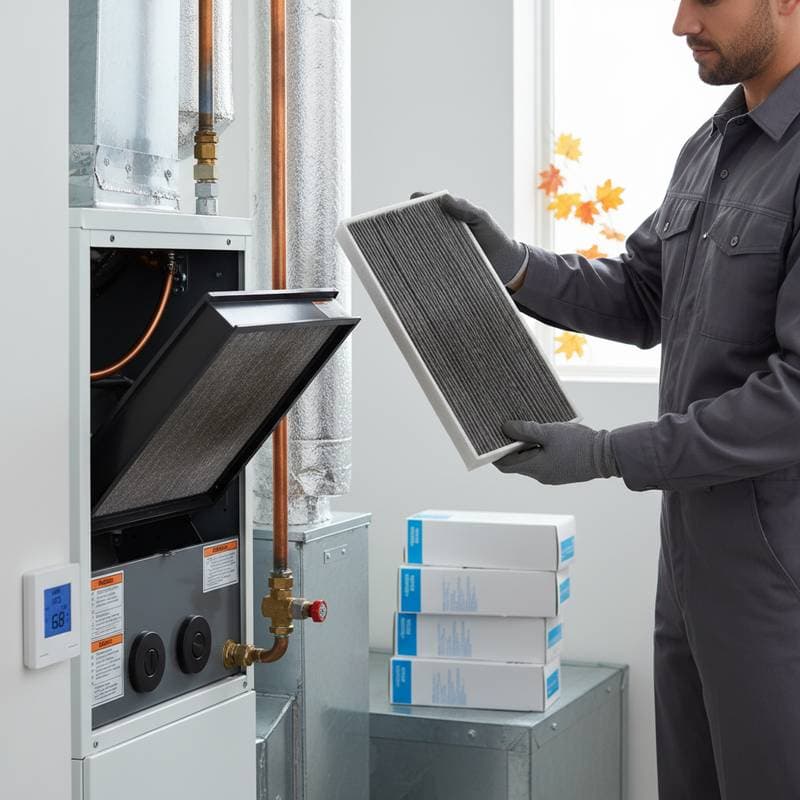
Step-by-step imagery proves invaluable during replacement. A series of photographs showing filter access in a typical furnace unit guides users through safe removal and installation.
Additionally, a cost breakdown table contrasts standard disposable filters against high-efficiency models, detailing average replacement intervals and price points. These resources clarify decisions, helping select products that align with home needs and performance goals.
Addressing Frequent Inquiries on HVAC Filters
How Do Seasonal Shifts Influence Filter Performance?
Temperature fluctuations alter humidity levels and introduce more outdoor debris. Fall brings falling leaves and indoor dust from activity, accelerating clogging. Systems benefit from fresh filters to handle these increased loads effectively.
Are Reusable Filters a Viable Alternative to Disposables?
Reusable options suit many setups if compatibility is verified. Owners must rinse them thoroughly and allow complete drying between uses. While initial costs are higher, long-term savings emerge through reduced purchases, provided cleaning occurs diligently.
Does an Air Purifier Lessen the Frequency of Filter Replacements?
Air purifiers target room-specific contaminants but leave central HVAC components unprotected. Filters remain essential for shielding internal mechanisms from damage. Combining both tools maximizes overall air cleanliness without compromising system health.
What Consequences Arise from Neglecting Filter Changes?
A single oversight may pass unnoticed, yet ongoing delays cause coil blockages and efficiency losses. Over time, this escalates to higher energy bills and potential equipment failure. Prompt action prevents these escalating issues.
Establishing an Effective Maintenance Routine
Consistency forms the foundation of successful filter care. Tie replacements to established seasonal chores, such as clearing gutters or testing alarms. Digital calendars or app notifications ensure timely follow-through.
In homes with multiple units, mark filter slots with installation dates for easy tracking. This method synchronizes upkeep across the property.
Here is a straightforward seasonal plan:
-
Spring Preparation: Install new filters ahead of air conditioning demands to support cooling efficiency.
-
Summer Monitoring: Perform monthly visual checks for excessive dirt, especially in high-traffic areas.
-
Fall Readiness: Swap filters prior to furnace activation, priming the system for winter.
-
Winter Oversight: Inspect midway through the season for any unusual debris accumulation from indoor sources.
Adopting this framework integrates maintenance seamlessly into household rhythms.
Maximizing Long-Term Savings and Comfort
Embracing fall filter replacement initiates a cycle of efficiency and reliability. Homeowners gain control over energy use, air purity, and system durability with minimal effort. Begin this practice in 2026 to experience warmer winters and lighter bills year after year.