Boost HVAC Efficiency: Implement a Seasonal Filter Schedule
A well-maintained HVAC system maintains clean indoor air and controls energy expenses. Homeowners often neglect one of the most straightforward maintenance practices: replacing air filters. A strategic seasonal filter schedule ensures strong airflow, reduces equipment strain, and safeguards air quality year-round.
The Importance of Seasonal Filter Changes
Air filters trap dust, pollen, and debris that could otherwise spread throughout the home. Clogged filters restrict airflow, forcing the system to labor harder to regulate temperature. This extra effort elevates energy consumption and accelerates wear on components such as the blower motor and compressor. Technicians frequently identify neglected filter changes as a primary cause of inefficiency and early system breakdowns.
Adopting a regular filter replacement routine can decrease energy costs by as much as 15 percent. Such maintenance also minimizes allergens and stabilizes humidity levels. Those who adhere to a planned schedule typically observe cleaner vents, reduced noise during operation, and fewer required service visits.
A Recommended Seasonal Filter Schedule
Seasonal variations introduce distinct challenges to indoor air quality. Tailor the replacement schedule to address these specific demands.
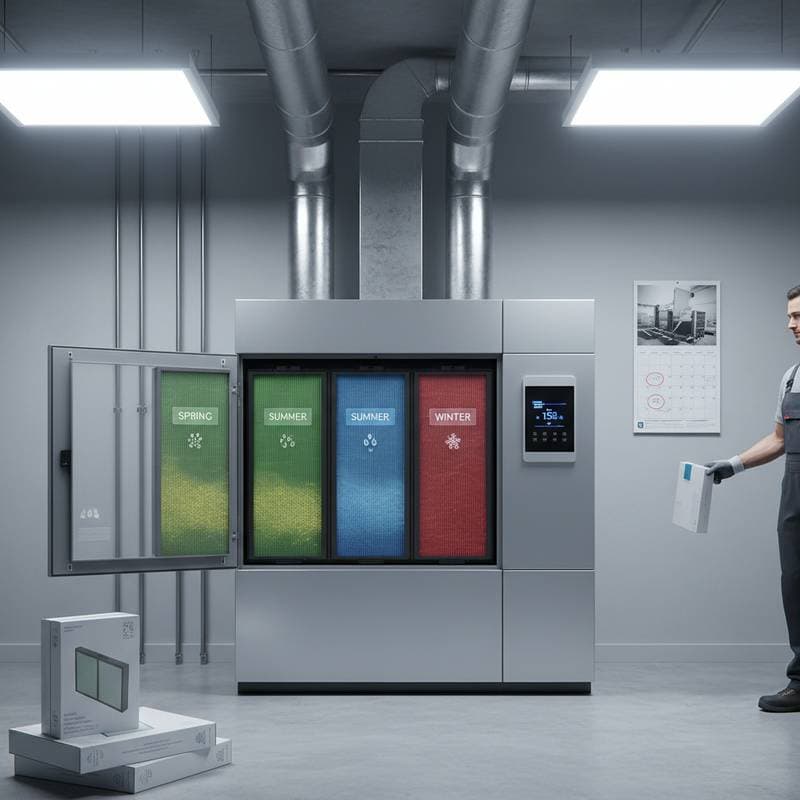
Spring: Pollen levels peak during this season, so replace filters promptly. Select a medium-efficiency pleated filter with a MERV rating of 8 to 11; this option captures fine allergens while preserving adequate airflow.
Summer: Extended cooling periods accompany warm temperatures. Perform monthly inspections and replace filters upon noticing visible dust accumulation. Elevated humidity accelerates clogging in many regions.
Fall: Falling temperatures stir dust from heating ducts. Exchange filters prior to activating the heating system to avoid unpleasant burning odors and soot accumulation.
Winter: Intense heating demands necessitate robust airflow. Opt for a high-efficiency filter, particularly in households with pets or in colder climates where windows remain sealed. Inspect every four weeks for any indications of obstruction.
Comparing Filter Types
Selecting the appropriate filter type influences performance and longevity. Consider these options based on needs and budget.
- Fiberglass Filters: These provide low-cost protection but capture only larger particles. Plan replacements every 30 days.
- Pleated Filters: They offer superior dust retention at a moderate price point. Schedule changes every 60 to 90 days.
- Electrostatic Filters: Designed for washing and reuse, these maintain effectiveness with monthly cleaning.
- HEPA Filters: Ideal for homes sensitive to allergies, they trap the finest particles. Note that their higher pressure drop may necessitate professional installation.
Assessing Costs and Effort
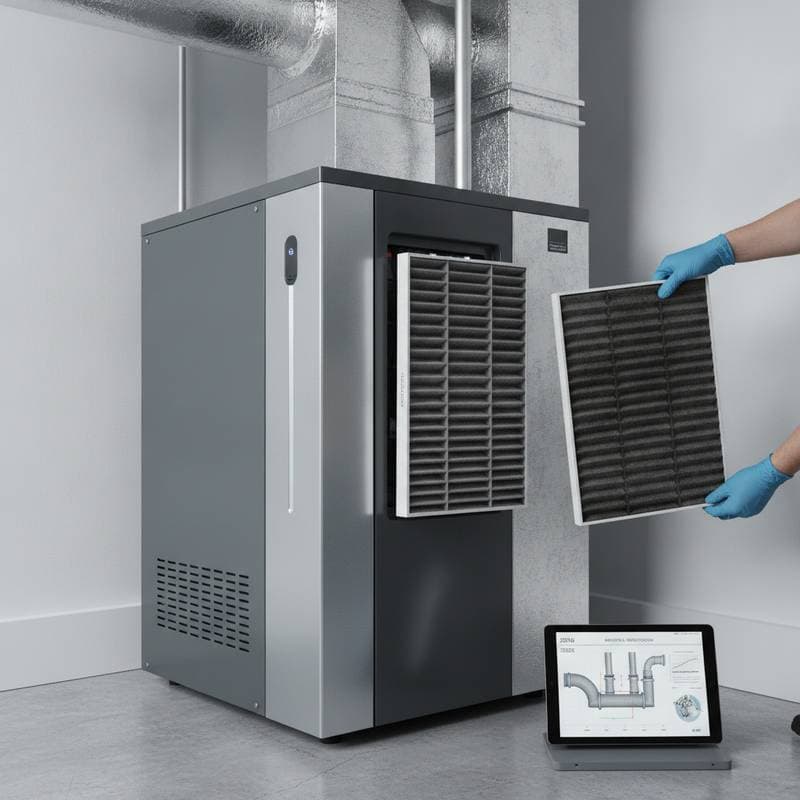
Replacing filters ranks among the simplest HVAC tasks, accessible to all homeowners. Prices range from ten to sixty dollars per filter, varying by size and efficiency rating. The process typically requires less than ten minutes. For sealed or custom systems, a technician's visit might incur approximately one hundred dollars, covering labor and a thorough inspection.
Essential Tips for Effective Maintenance
- Schedule replacement dates in a digital calendar to ensure regularity.
- Store an extra filter for immediate access during swaps.
- Vacuum vents and registers with each change to halt dust recirculation.
- Verify airflow direction arrows on new filters prior to installation.
- Shine a flashlight through the old filter to gauge clogging extent before disposal.
Consider tracking filter performance over time. For instance, measure airflow with a simple anemometer if available, or note any changes in room temperatures. This data helps refine the schedule for optimal results.
Extending System Longevity Through Routine Care
Consistent filter replacements enable the HVAC system to operate at peak efficiency across all seasons. The modest investment yields substantial returns, including reduced utility bills, minimized repair needs, and superior indoor air quality. By aligning filter choices with seasonal conditions and maintaining vigilance, homeowners can prolong system durability by several years. This approach delivers dependable comfort and fresher air without interruption.