Keep Bathrooms Mold-Free with 2026 Ventilation
Bathrooms represent the most humid areas in homes, fostering conditions ripe for mold growth. Effective ventilation removes excess moisture, enhances air quality, and safeguards surfaces from damage. Homeowners benefit from emerging 2026 technologies that deliver cleaner, healthier spaces with sustained freshness.
How Moisture Leads to Mold Issues
Mold thrives when warm, humid air contacts cooler surfaces, causing condensation. Materials such as tile grout, drywall, and caulking absorb this moisture and supply nutrients for mold to proliferate. Established mold spreads rapidly, resulting in visible black spots and persistent musty smells that prove challenging to eradicate.
Indicators of inadequate ventilation encompass foggy mirrors, peeling paint, perpetually damp towels, and mildew near bathtubs. These symptoms signal insufficient air removal during and post-shower. Upgrading the fan or system design provides the optimal long-term remedy.
Selecting the Ideal Exhaust Fan
An effective bathroom fan expels humid air within 15 to 20 minutes following a shower. Determine the appropriate unit by aligning its capacity with the bathroom's dimensions. The cubic feet per minute (CFM) rating requires at least one CFM per square foot; thus, a 100-square-foot space demands a 100 CFM fan or greater.
Contemporary systems feature energy-efficient motors and reduced noise levels. Opt for Energy Star-certified options that minimize electricity use while delivering robust airflow. Humidity-sensing models activate automatically upon detecting elevated moisture, ensuring reliable defense without manual intervention. Certain smart variants integrate with mobile applications, enabling remote humidity monitoring and fan operation.
Installation Techniques for Optimal Performance
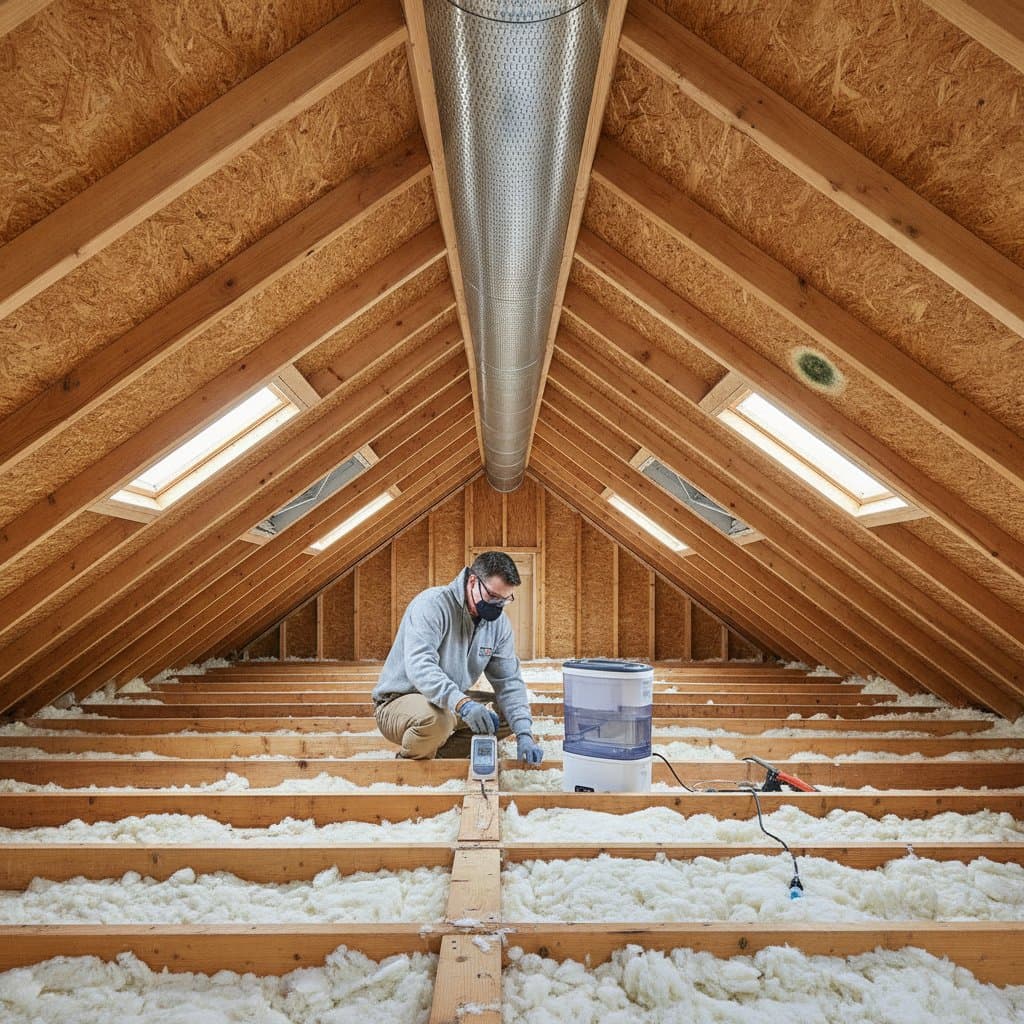
Superior fans underperform if installation proves faulty. Direct the duct outdoors, avoiding attics or crawl spaces where moisture might gather and promote concealed mold. Maintain short, straight duct paths with smooth interiors to minimize airflow resistance. Metal ducts outperform flexible plastic alternatives by resisting sagging and internal condensation.
Engage a professional for precise sizing and airtight sealing to avert leaks. For do-it-yourself efforts, choose units suited for ceiling or wall placement based on the site. Operate the fan throughout showers and extend usage by 15 minutes afterward to eliminate lingering humidity.
Maintenance Routines to Sustain Airflow
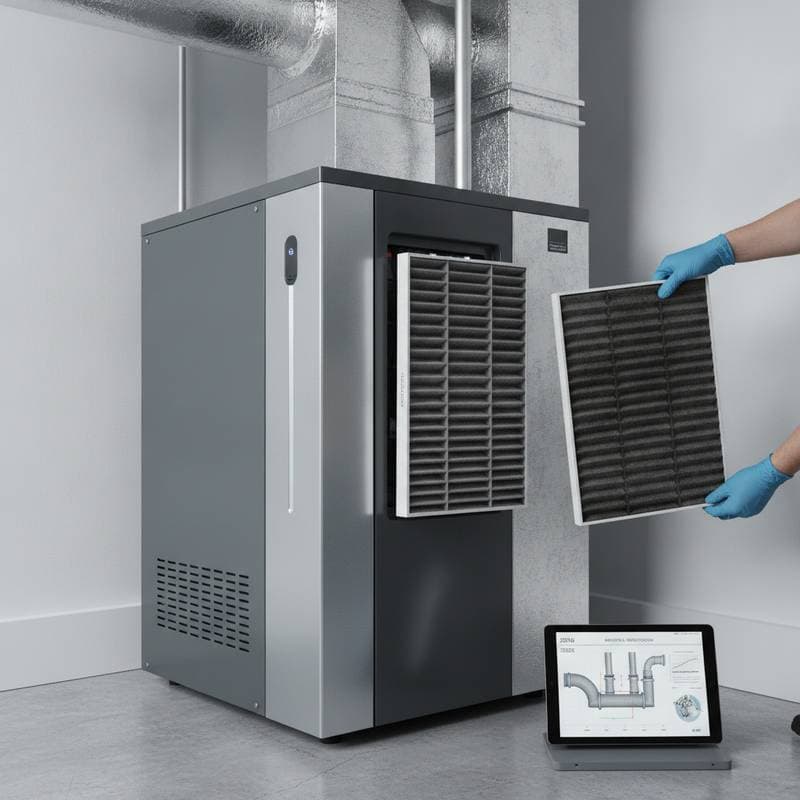
Fans lose effectiveness through neglect as dust and lint accumulate on grills and motors, impeding airflow. Perform cleaning every few months to preserve performance. Disconnect power, detach the cover, and vacuum the blades and interior. Clean the grill using warm, soapy water, then allow full drying prior to reassembly.
Conduct annual duct inspections for obstructions or moisture accumulation. Replace any damp insulation near vent outlets. Regular cleaning routines, such as biannual fan maintenance, significantly diminish odors and mirror fogging. These practices prolong equipment lifespan and uphold vigorous ventilation.
Integrating Ventilation with Broader Moisture Strategies
Ventilation yields superior results alongside complementary moisture controls. Seal grout lines to block water penetration into tiles. Apply mildew-resistant paint to ceilings and walls. After showers, wipe surfaces to eliminate pooled water. When conditions permit, open windows briefly to introduce fresh air circulation.
In bathrooms with suboptimal airflow, dehumidifiers offer supplementary control. Select compact units that fit beneath vanities or on shelves. These devices capture excess humidity, maintaining levels below 50 percent as advised for mold prevention.
Weighing DIY Against Professional Upgrades
Many homeowners manage basic fan replacements independently. Modern units align with existing openings, requiring only fundamental electrical knowledge. For new ductwork or high-capacity installations, employ a licensed electrician or HVAC specialist to guarantee compliance and efficiency.
Professionals design balanced systems for expansive bathrooms or multi-fixture areas, incorporating auxiliary fans or in-line boosters. Such setups ensure uniform air distribution and eliminate humidity concentrations around showers or tubs.
Evaluating Costs and Energy Efficiency
Fan pricing spans a broad range based on capabilities. Entry-level models remain affordable, whereas quiet, sensor-equipped energy savers command higher prices. Professional services incur labor fees yet avert expensive errors or subsequent water damage. These investments yield returns via enhanced air quality and minimized mold cleanup costs.
Energy-efficient fans draw less power than legacy versions, curbing utility expenses. Upgrades to certified models can slash annual energy consumption by up to 60 percent. This efficiency also eases demands on heating and cooling systems, promoting steady indoor comfort.
Health and Safety Advantages
Mold exposure triggers respiratory discomfort, allergies, and additional health concerns. Mold-free bathrooms safeguard residents and property alike. Ventilation further disperses fumes from cleaning agents, elevating overall air purity.
Regular maintenance bolsters electrical safety. Accumulated dust risks motor overheating, and faulty wiring invites fire dangers. Inspections and cleanings mitigate these threats, ensuring dependable operation.
Sustaining Ventilation for Long-Term Protection
Robust ventilation preserves paint, drywall, cabinetry, and fixtures by warding off moisture harm. Steady airflow curtails ongoing maintenance expenses and upholds a pristine appearance.
Proactive homeowners sidestep severe mold challenges through diligent care. Clean fans, inspect ducts, and activate post-shower. During renovations, budget for premium ventilation to secure enduring benefits.
A properly ventilated bathroom remains cleaner, odor-free, and conducive to well-being. Through personal upkeep or expert enhancements, prioritizing airflow control delivers straightforward, potent mold prevention.