Protect Your Home: Asbestos Safety Steps and 2026 Costs
Asbestos lurks as a silent hazard within walls, floors, and ceilings of many structures. Homes constructed before 1980 often incorporate this material in insulation, floor tiles, roofing, or pipe wraps. Intact asbestos presents low risk, but renovation, wear, or damage can liberate tiny fibers into the air. Inhalation of these fibers leads to severe lung conditions over time.
Homeowners facing potential asbestos exposure require a structured approach to safeguard health and property. This involves recognizing signs, conducting tests, and evaluating management options. Knowledge of 2026 abatement expenses empowers informed decisions, avoiding hazards and financial pitfalls.
Safe Testing and Inspection Practices
Certified asbestos testing entails sampling suspect materials and submitting them to accredited labs for analysis. Organizations like the Environmental Protection Agency emphasize professional involvement to minimize fiber release. While over-the-counter kits offer initial screening, they demand careful handling and subsequent lab verification for reliable results.
Steps for Safe Asbestos Testing
-
Limit Disturbance
Refrain from sanding, cutting, or shifting potentially contaminated items. Such actions heighten the chance of fiber dispersal. -
Hire a Certified Inspector
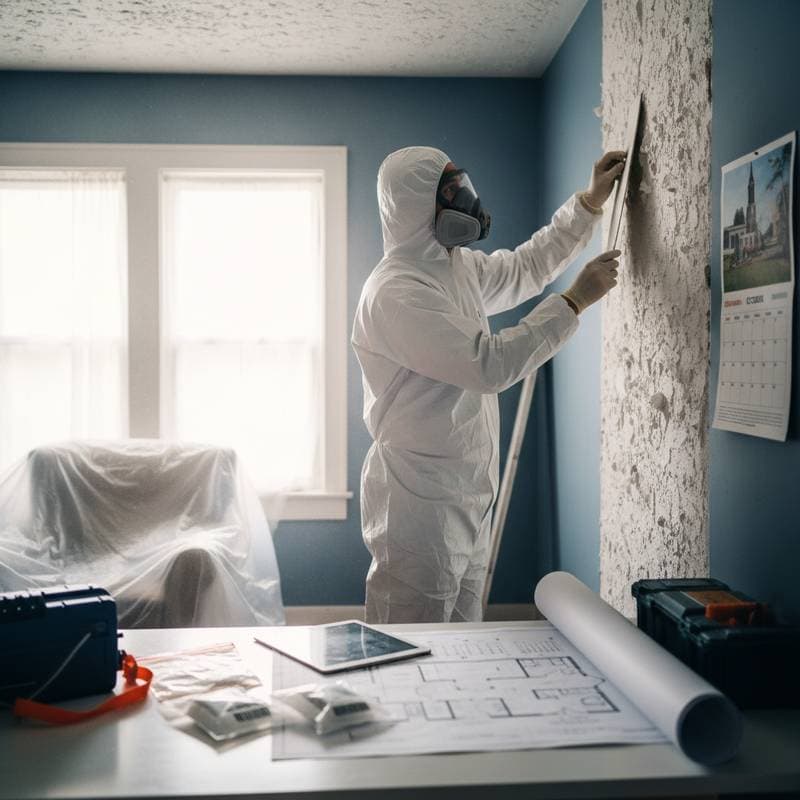
Engage a qualified professional equipped with respirators, airtight sampling tools, and air containment systems to extract samples without risk. -
Obtain a Laboratory Report
The analysis reveals asbestos presence, type, and quantity, informing whether to monitor, seal, or excise the material. -
Keep Records
File all reports alongside property documents. These prove useful during subsequent upgrades or sales transactions.
Inspection fees fluctuate based on sample volume and location, typically spanning $250 to $900. This upfront expenditure averts escalated expenses from undetected issues.
When Removal Is Necessary
Abatement proves essential in scenarios involving active disturbance or degradation. Projects like kitchen overhauls or roof repairs often necessitate intervention. Friable or moisture-affected asbestos heightens airborne fiber threats, demanding prompt professional response.
Common Scenarios That Require Removal
- Updating kitchens or bathrooms featuring vintage vinyl sheets or insulated pipes
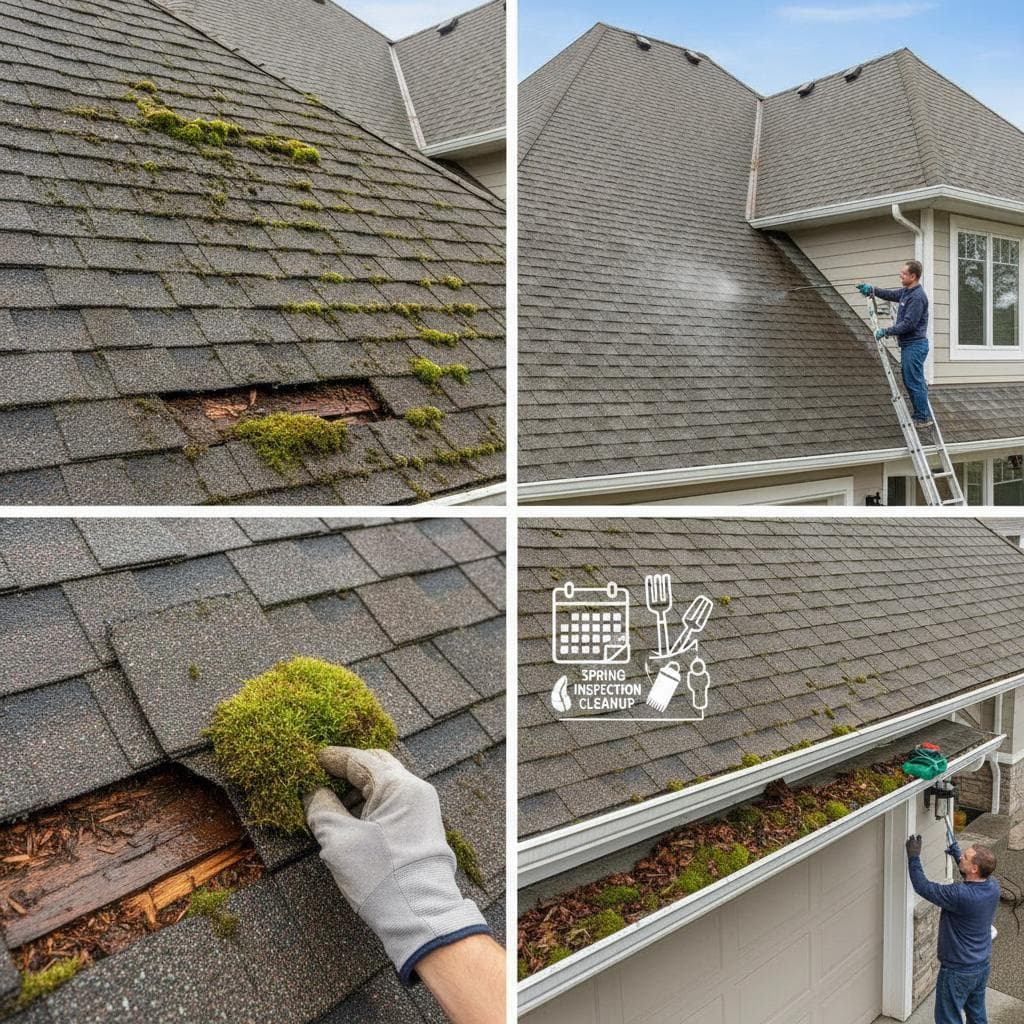
- Substituting weathered roofs with asbestos-integrated shingles
- Addressing foundational elements using asbestos-cement boards
- Clearing decayed attic or basement insulation
Self-directed removal invites severe dangers and legal repercussions. Trained crews deploy enclosures, negative-pressure units, and high-efficiency particulate air filters to isolate contaminants. They adhere to regulatory protocols for waste handling, safeguarding occupants and ecosystems.
Project Costs: Estimating 2026 Prices
Abatement pricing hinges on affected area size, material variety, access challenges, and regional wages. Projections drawn from industry analyses indicate the following 2026 estimates:
- Testing and Inspection: $250 to $900
- Encapsulation: $3 to $10 per square foot
- Partial Removal (small areas): $1,200 to $3,000
- Full Home Abatement: $15,000 to $30,000 or more
Intricate tasks, including extensive insulation extraction or roofing overhauls, may surpass these figures owing to equipment needs and disposal charges. Metropolitan regions command premiums from rigorous oversight and elevated labor expenses.
Homeowners mitigate outlays by soliciting bids from multiple certified firms, ensuring quotes encompass setup, decontamination, and post-job air monitoring. Review insurance provisions, as some policies reimburse abatement tied to unforeseen damage or emergencies.
Preventing Future Asbestos Exposure
Post-identification or abatement, vigilance sustains safety. Implement these routines to curb risks:
-
Avoid Disturbance
Steer clear of drilling, abrading, or incising suspect surfaces. Minor breaches suffice to liberate fibers. -
Use Proper Renovation Planning
Prior to alterations, secure an inspector's assessment to gauge testing requirements. -
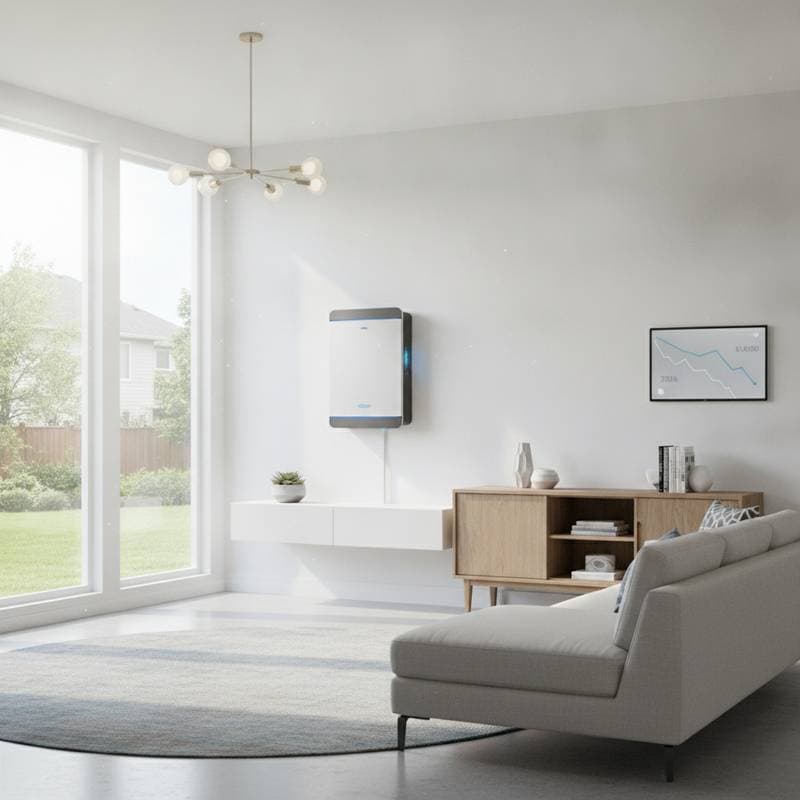
Maintain HVAC Systems
Swap filters at recommended intervals to block fiber propagation via ductwork. -
Monitor Condition of Older Materials
Routinely check basements, attics, and underfloor spaces for wear or compromise. -
Keep Records Updated
Chronicle inspections, treatments, or sealings for ongoing reference, aiding professionals and prospects.
These practices forestall exposure incidents and preserve asset worth.
Maintaining Your Investment
Beyond health imperatives, asbestos oversight influences resale appeal and durability. Prospective purchasers frequently request abatement histories, elevating properties with verified compliance.
Effective handling averts air quality declines and material failures from botched interventions. Allocating resources to expert services fortifies structural soundness across years.
For significant modifications, initiate inspections pre-demolition. This averts interruptions, fosters secure workflows, and upholds project timelines.
Taking Action Toward a Safer Home
Asbestos mitigation demands vigilance, foresight, and expert collaboration. Testing unveils concealed perils, encapsulation secures stable deposits, and abatement neutralizes threats.
Grasping indicators and forecasting 2026 expenditures facilitates prudent strategies. Opting for containment or excision yields a secure, healthful abode.
Prompt measures secure residences, streamline upgrades, and safeguard legacies.