
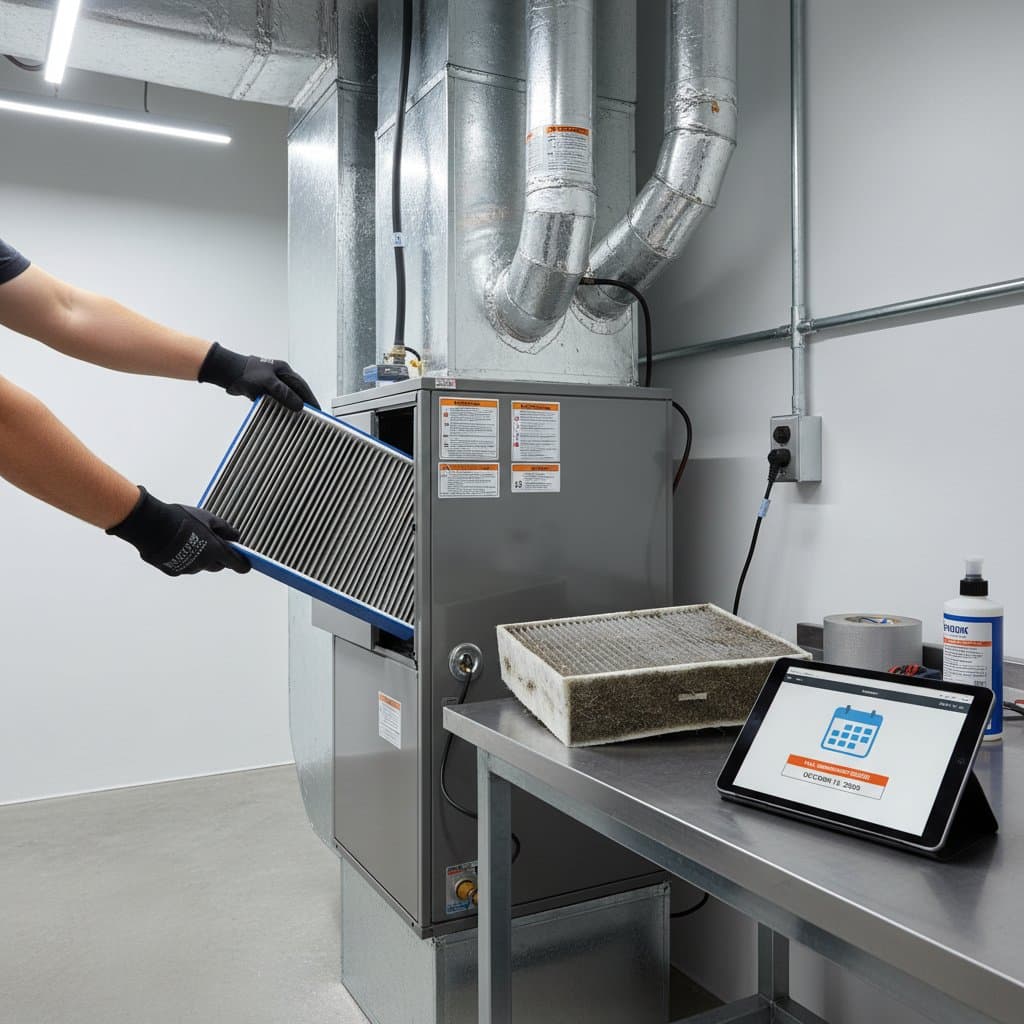
Why Fall Filter Changes Matter for Your HVAC System
Replacing HVAC filters in the fall prepares your heating system for increased demand during cooler months. Clean filters promote optimal airflow, which directly contributes to energy savings of up to 15 percent. Systems with unrestricted air passage operate more efficiently, avoiding the extra strain that leads to higher utility costs.
Proper maintenance also enhances indoor air quality by capturing dust, pollen, and other particles before they circulate. In addition, consistent filter care prevents issues like mold growth in ducts. Homeowners who prioritize this task report fewer breakdowns and longer equipment lifespan.
Key Benefits of Timely Replacement
- Energy Efficiency: Unclogged filters allow the blower to run at lower speeds, cutting electricity use.
- Consistent Humidity Levels: Proper airflow helps the system manage moisture during cooler months.
- Improved Air Quality: Filters trap allergens and debris, reducing respiratory irritants in the home.
HVAC professionals on Reddit's r/HomeImprovement forum often recommend pairing filter replacement with other fall tasks, such as gutter cleaning and thermostat calibration. This routine safeguards the system before winter's heavy workload begins.
Replacement Timing by Filter Type
Selecting the correct replacement schedule depends on the filter type and your home's specific conditions. Factors like pet ownership, smoking, or proximity to high-pollen areas can shorten filter life. Always consult your HVAC manual for system-specific guidance.
Fiberglass Filters
Fiberglass filters serve as a basic option for trapping large particles. Replace them every 30 days, regardless of appearance. These filters fill rapidly with dust and debris, especially in fall when leaves and outdoor particles enter the home.
In rural settings or near construction, inspect weekly and change slightly earlier to avoid restricting airflow. Their low cost makes frequent swaps practical for maintaining furnace efficiency.
Pleated Filters
Pleated filters offer better capture rates and typically last 60 to 90 days. In fall, with windows closed and indoor air more stagnant, check them monthly. Visible dust buildup on the pleats or weaker vent airflow signals the need for immediate replacement.
These filters provide a strong balance of affordability and effectiveness. Consumer Reports notes that they capture approximately 45 percent more dust than fiberglass versions while preserving airflow.
Electrostatic Filters
Washable electrostatic filters endure for several years with regular cleaning. Rinse them every 30 to 45 days during heating seasons by removing the filter, spraying both sides with water, and allowing full drying before reinstallation.
Disposable versions match pleated filters in lifespan, lasting up to 90 days. The static charge excels at collecting pet fur and dander, making them suitable for animal households.
High-Efficiency Filters
High-efficiency filters endure 90 to 120 days but demand close attention. During fall's frequent furnace cycles, inspect monthly. Difficulty holding steady temperatures often indicates clogging.
Individuals with allergies or asthma favor these for superior particle removal. However, their density may restrict airflow in incompatible systems, so verify MERV compatibility in your HVAC manual before installation.
HEPA Filters
HEPA filters suit specialized HVAC setups or dedicated purifiers, lasting six months or longer. Regular checks remain essential; musty odors or diminished airflow warrant prompt replacement.
For severe allergies or breathing issues, HEPA filtration delivers unmatched purity. Dense construction requires HVAC systems engineered for such filters to prevent damage.
Signs Your Filter Requires Replacement
Visual checks provide the easiest detection method. Hold the filter against a light; if little light passes through, it has clogged.
Additional indicators include:
- Elevated energy bills without changes in usage
- Inconsistent temperatures across rooms
- Increased dust on surfaces near vents
- Worsening allergy or respiratory symptoms
- Whistling noises from return vents
Clogged filters force the blower motor to labor, amplifying noise and accelerating component wear. Addressing these cues early preserves system health.
Planning Costs for Filter Replacements
Expenses depend on filter dimensions, brand, and efficiency rating. Consider these typical ranges to budget effectively:
- Fiberglass: $2 to $5 per unit
- Pleated: $7 to $20 per unit
- Disposable electrostatic: $15 to $30 per unit
- Washable electrostatic: $40 to $80 initial purchase
- High-efficiency: $20 to $40 per unit
- HEPA: $50 to $100 per unit
Most households spend $40 to $120 yearly on two to four replacements. This modest outlay safeguards equipment valued at thousands of dollars.
Bulk purchases from retailers like Amazon or Home Depot yield savings through bundled packs. Such options simplify adherence to quarterly schedules.
Engaging Professional Help
Certain HVAC configurations involve tricky access or large filters that challenge DIY efforts. Persistent airflow problems or unusual odors post-replacement necessitate expert intervention.
A qualified technician can:
- Examine ducts for obstructions or leaks.
- Evaluate blower motor and belt condition.
- Measure airflow pressure, particularly for efficient filters.
- Verify proper filter fit and installation direction.
As HVAC specialist Jeff Wagner stated in a Forbes interview, "A filter that fits tightly and matches system requirements is the best protection your furnace can get." A seasonal checkup optimizes filter performance alongside overall system function.
Extending System Longevity Through Routine Care
Regular filter maintenance ranks among the easiest strategies for prolonging HVAC durability and enhancing home comfort. Fresh filters ease blower strain, sustain balanced airflow, and ensure uniform heating.
Adopt practices like monthly inspections or noting dates on the filter frame. Those who maintain schedules benefit from purer air and confidence in efficient operation.
Incorporate filter replacement into your fall preparations. This brief task yields extended reliability, cost reductions, and a more healthful indoor space.




