Maximize Your Investment with 2026 Heat Pump Rebates
Homeowners seeking lower energy expenses and increased property value increasingly choose heat pump systems. These versatile units provide heating, cooling, and hot water through electricity, bypassing fossil fuels entirely. As rebate programs expand significantly in 2026, the moment to install a heat pump with substantial financial benefits arrives. Grasping qualification criteria, long-term savings projections, and optimal system selection ensures the investment yields returns for decades.
The Superior Returns of Heat Pumps
Heat pumps transfer heat from one location to another instead of producing it directly. This method demands substantially less energy than conventional furnaces or water heaters. A high-performing system delivers three to four units of heat for each unit of electricity used. Such efficiency translates to utility bill reductions of 30 to 60 percent, influenced by regional electricity rates and home insulation quality.
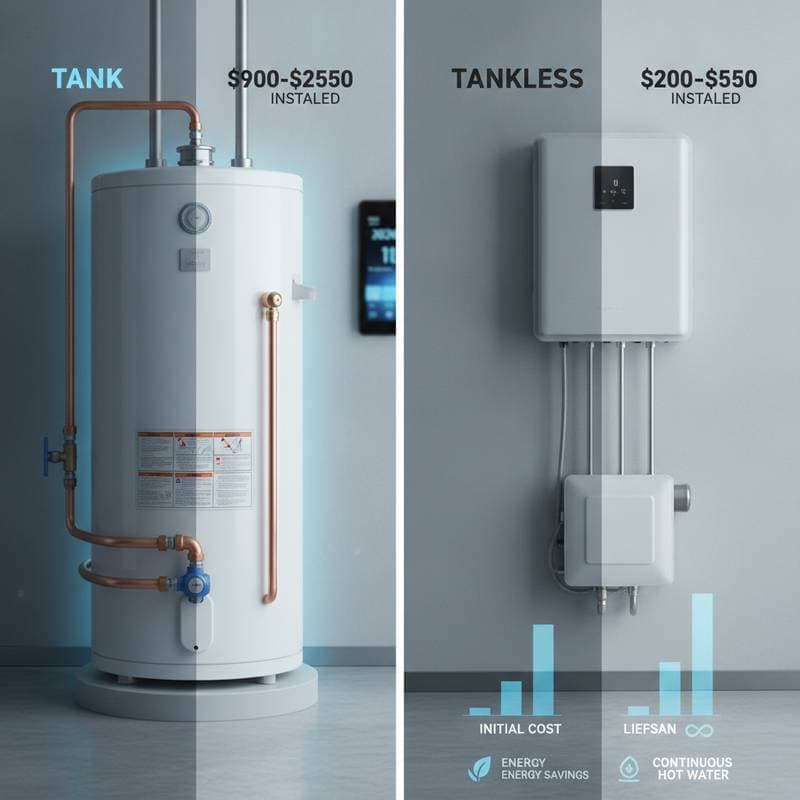
Rebates substantially lower initial expenses, accelerating the break-even point. For a standard single-family home, air source heat pump installations typically range from $8,000 to $14,000. Post-rebate adjustments often decrease this figure by $2,000 to $3,000 or more. Heat pump water heater replacements cost $2,000 to $4,500 installed, with rebates offsetting 40 to 70 percent of those amounts.
Understanding 2026 Rebate Structures
These programs incentivize energy-efficient upgrades that minimize electricity consumption or supplant combustion systems. Amounts differ based on location, household income, and equipment specifications, yet most participants receive credits for both hardware and labor.
Key rebate-eligible categories encompass:
- Air source heat pumps for comprehensive home HVAC solutions
- Geothermal heat pumps, which offer elevated efficiency and extended durability
- Heat pump water heaters dedicated to domestic hot water production
- Ductless mini-split systems ideal for targeted zoning in compact areas
Qualification hinges on meeting minimum efficiency thresholds, including SEER ratings for cooling and HSPF for heating. Verify that selected models appear on official lists from rebate administrators. Consult local utility websites or program offices for the latest approved inventories.
Calculating Comprehensive Savings
Assess return on investment by factoring in rebate amounts alongside persistent energy reductions. Perform a basic payback analysis by dividing the post-rebate cost by yearly savings. Consider a $9,000 net expenditure yielding $1,200 annual energy savings; the system recoups costs in roughly 7.5 years. With lifespans of 15 to 20 years, this leaves 7.5 to 12.5 years of pure profit.
Industry experts frequently discuss integrating rebates with low-interest green loans to compress payback timelines. Certain utilities extend additional rewards tied to verified post-installation energy decreases, further amplifying benefits.
Selecting an Optimal Heat Pump System
Proper sizing stands as essential for efficacy. Excessively large units short-cycle, shortening service life and compromising comfort levels. Units too small falter in extreme temperatures. Engage a certified energy auditor to align capacity with your home's precise heating and cooling demands. These audits, priced at $200 to $500, often serve as prerequisites for rebate validation.
Evaluate these elements during selection:
- Climate compatibility: Opt for cold-climate air source variants that sustain performance in sub-freezing conditions
- Manufacturer trustworthiness: Established brands such as Mitsubishi, Trane, and Rheem produce rebate-compliant models with proven track records
- Contractor expertise: Select installers accredited by organizations like NATE or BPI to guarantee adherence to rebate protocols
Enhancing Efficiency with Heat Pump Water Heaters
Domestic water heating accounts for approximately 20 percent of residential energy consumption. Swapping a traditional electric or gas tank for a heat pump model can yield annual savings up to $300 for a four-person household. These units occupy similar footprints to standard tanks yet necessitate sufficient surrounding airspace for optimal heat transfer. Ideal placements include basements, garages, or utility areas offering at least 700 cubic feet of volume.
Dedicated rebate tracks for water heaters frequently allow stacking atop HVAC incentives. Pursuing both upgrades simultaneously ranks among the most lucrative efficiency enhancements for long-term residents.
Addressing Installation Hurdles
Primary homeowner apprehensions center on initial outlays and logistical demands. Rebates mitigate costs, but financing options like on-bill repayment plans distribute expenses across monthly statements. Energy savings typically surpass these payments, preserving or improving cash flow immediately.
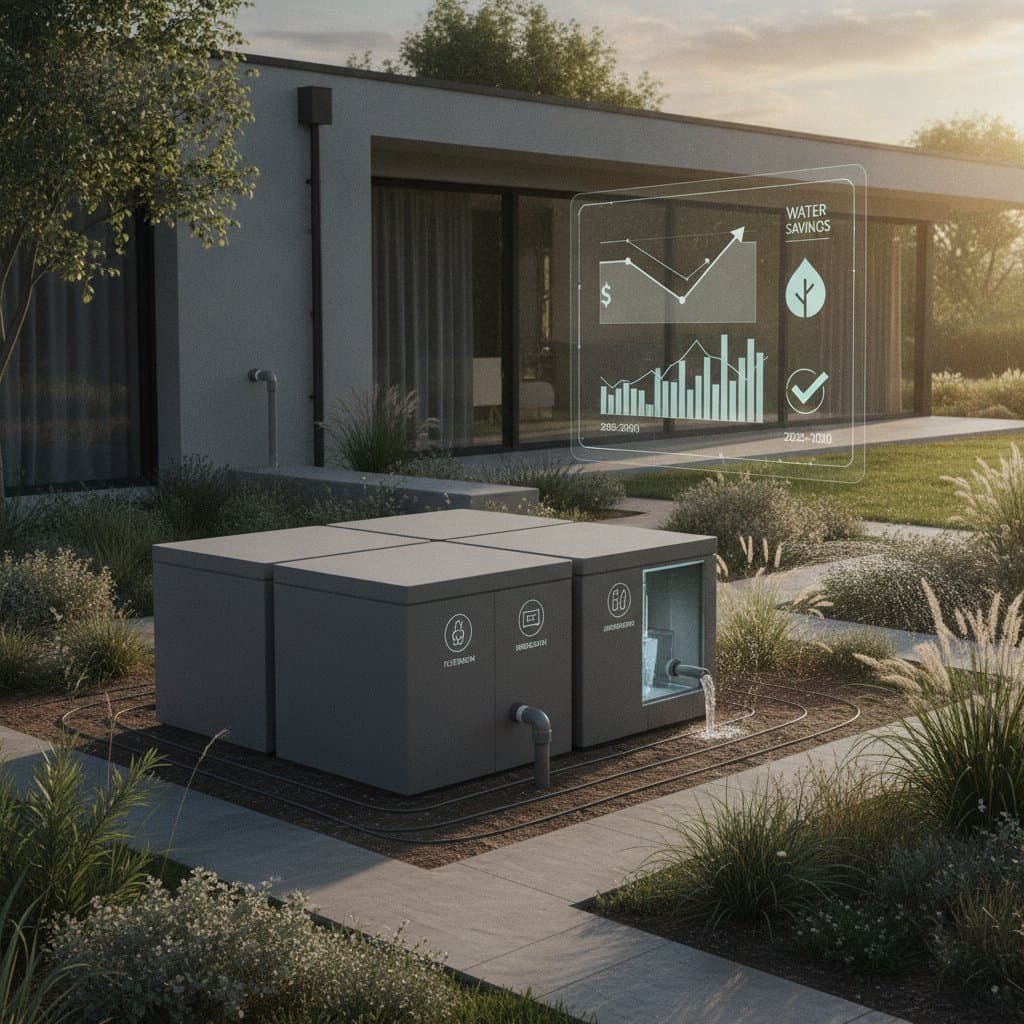
Operational noise and visual integration also arise as issues. Contemporary outdoor components generate sound below 55 decibels at peak operation. For visual harmony, incorporate airflow-permissive enclosures or landscaping to seamlessly incorporate units into the landscape.
Routine upkeep proves simple. Replace filters every one to three months, remove debris from exterior coils seasonally, and arrange annual professional tune-ups. These practices sustain peak performance and uphold manufacturer warranties.
Steps to Secure and Implement Rebates
Preparation unlocks rebate opportunities effectively. Obtain detailed proposals from a minimum of three rebate-savvy certified installers. Require each quote to specify model details, efficiency metrics, and anticipated savings projections. Prioritize total ownership costs over initial bids alone.
Verify eligibility promptly, as numerous programs mandate pre-installation approval. File applications ahead to sidestep processing backlogs or forfeited funds. Retain electronic records of receipts, permits, and equipment identifiers, since administrators routinely request substantiation of purchases and completions.
Time installations for shoulder seasons to capitalize on contractor availability and potentially lower labor fees. This approach circumvents peak-season premiums and disruptions.
Sustained Advantages of Heat Pump Adoption
Beyond immediate rebates, heat pumps elevate indoor air quality by eliminating combustion byproducts. They contribute to environmental goals by curbing carbon emissions equivalent to planting dozens of trees annually per household. Property appraisals reflect these upgrades, often boosting resale values by 5 to 10 percent in efficiency-conscious markets. For enduring occupancy, the combination of comfort, reliability, and fiscal prudence positions heat pumps as a cornerstone of modern home optimization.