How to Save Thousands on Greywater System Installations in 2026
Homeowners increasingly focus on reducing water consumption to lower utility bills and minimize environmental effects. Greywater systems provide a reliable method to repurpose household water safely and decrease ongoing expenses. As rebates grow and installation techniques advance, opportunities exist to reduce costs significantly on greywater projects planned for 2026. Thoughtful preparation transforms this upgrade from a major investment into an affordable enhancement with rapid returns.
What Is Greywater and Why Install It?
Greywater refers to lightly used water from sources like showers, bathtubs, bathroom sinks, and washing machines. This water differs from blackwater, which includes toilet flush and kitchen sink drainage. An average household discards hundreds of gallons of greywater weekly. Capturing this resource for irrigation or toilet flushing cuts freshwater usage by 30 to 40 percent.
Greywater systems divide into basic and advanced types. Laundry-to-landscape systems direct washing machine output straight to garden areas. These options require minimal equipment and suit straightforward needs. Whole-home systems gather water from various fixtures, apply filtration, and store it for broader applications. Such setups demand detailed planning, plumbing changes, and regulatory approvals yet manage larger quantities effectively.
Breaking Down Installation Costs
Basic laundry-to-landscape systems range from $600 to $2,500, varying by components and workforce. Comprehensive whole-home installations cost $4,000 to $15,000, covering tanks, pumps, filters, and pipe modifications. Factors influencing these figures include:
- Distance for rerouting pipes from fixtures to watering areas
- Soil composition and terrain slope affecting drainage design
- Capacity and build of storage tanks, such as 50-gallon drums or 500-gallon plastic units
- Control elements like diverter valves, timers, and monitoring sensors
Licensed plumbers bill $75 to $150 hourly, with projects spanning one to three days. Homeowners opting for self-installation avoid labor fees, though expert review confirms code adherence. Inspections cost $100 to $400, while permits add $200 to $600 in most locations.
Accessing Rebates and Incentives
Local governments and water districts promote residential water reuse through financial support. Eligible systems qualify for $500 to $2,000 in rebates based on regional programs. Certain initiatives reimburse design reviews or inspection charges. Arid areas enhance rewards when pairing greywater with water-wise plants.
Verify compliance with plumbing standards prior to submission. Provide a basic diagram illustrating pipe paths and output locations. After completing the work, present invoices for repayment. Strategic timing aligns rebates to cover up to 50 percent of expenses.
Selecting an Appropriate System
System choice hinges on family size, outdoor layout, and financial limits. Laundry-to-landscape designs fit smaller groups or simple yards, relying on natural flow with low upkeep. Filtered and tanked versions serve bigger homes with extensive greenery.
Prioritize these attributes in selections:
- Accessible components for straightforward cleaning of filters and valves
- Durable, rust-resistant materials like PVC or polyethylene
- Distinct markings to differentiate reuse lines from drinking water supplies
- Emergency bypass options to redirect flow to sewers
Companies such as Water Wise Group and Greywater Action offer homeowner-friendly kits with pre-sized pipes, connectors, and switches. Examine feedback from community forums to gauge long-term reliability.
Weighing Professional and Self-Installation
Engaging a certified plumber or specialist guarantees regulatory compliance and peak operation. Services encompass layout assessment, permit handling, and leak detection. Although pricier, this approach prevents issues like poor drainage or pollution risks. One San Diego resident reported conserving over 8,000 gallons monthly after professional adjustments to slopes and valves.
Self-guided projects attract those skilled in plumbing basics. Adhere to codes and prevent mixing with potable supplies. Employ purple pipes for non-drinkable identification. Video guides outline secure methods, but schedule a post-install check by an expert.
Ensuring Ongoing Performance
Regular attention maintains system safety and output. Clean filters every three to six months. Check lines and controls for debris accumulation. Select plant-safe cleaners free of bleach or harsh chemicals, favoring eco-friendly alternatives.
Enhance operations with these practices:
- Implement drip lines for uniform moisture delivery.
- Time irrigation for mornings to limit loss from sun exposure.
- Alternate zones to avoid overwatering soil.
- Annual flushing clears built-up particles.
Such habits lessen repair needs and prolong component durability up to 20 years.
Calculating Extended Financial Gains
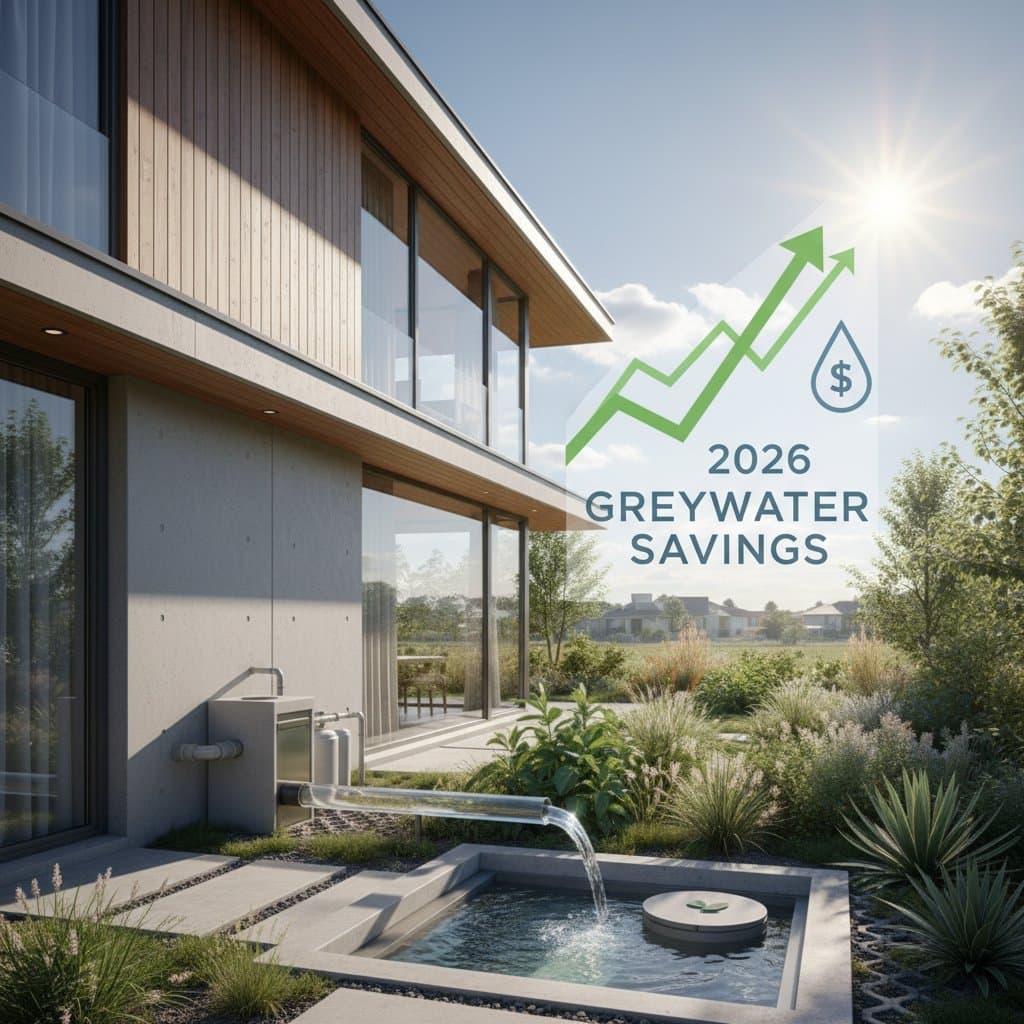
Savings surpass bill reductions. Properties featuring conservation tools often sell at higher values to green-minded purchasers. Market analyses indicate 3 to 5 percent value increases in select markets. With escalating rates, recovery times span two to six years, influenced by regional pricing and aid.
Larger outdoor spaces amplify benefits. Reusing 200 gallons daily trims annual bills by $400 to $800. Across ten years, this yields thousands in savings, plus eliminated supplemental watering expenses.
Steps to Launch Your Project
Early action secures funding and competitive pricing amid rising interest. Evaluate current pipes to pinpoint collection points. Meet with qualified experts for viability checks and quotes. Review agency guidelines and file applications ahead of construction.
Greywater adoption delivers practical conservation and economic advantages. It integrates seamlessly into daily routines while preserving resources. Begin with a targeted setup or scale to full integration for sustained impact.