Cut Water Bills: Greywater Costs Uncovered
Reducing household water bills ranks high among homeowner priorities, particularly as sustainable living gains momentum. A greywater recycling system reuses lightly contaminated water from showers, sinks, and laundry for tasks like irrigation or toilet flushing. Grasping the true cost of greywater systems empowers homeowners to choose between self-installation or professional services effectively.
This guide details greywater system costs, from do-it-yourself approaches to expert installations. It also covers maintenance needs and selection criteria based on budget, plumbing configuration, and environmental objectives.
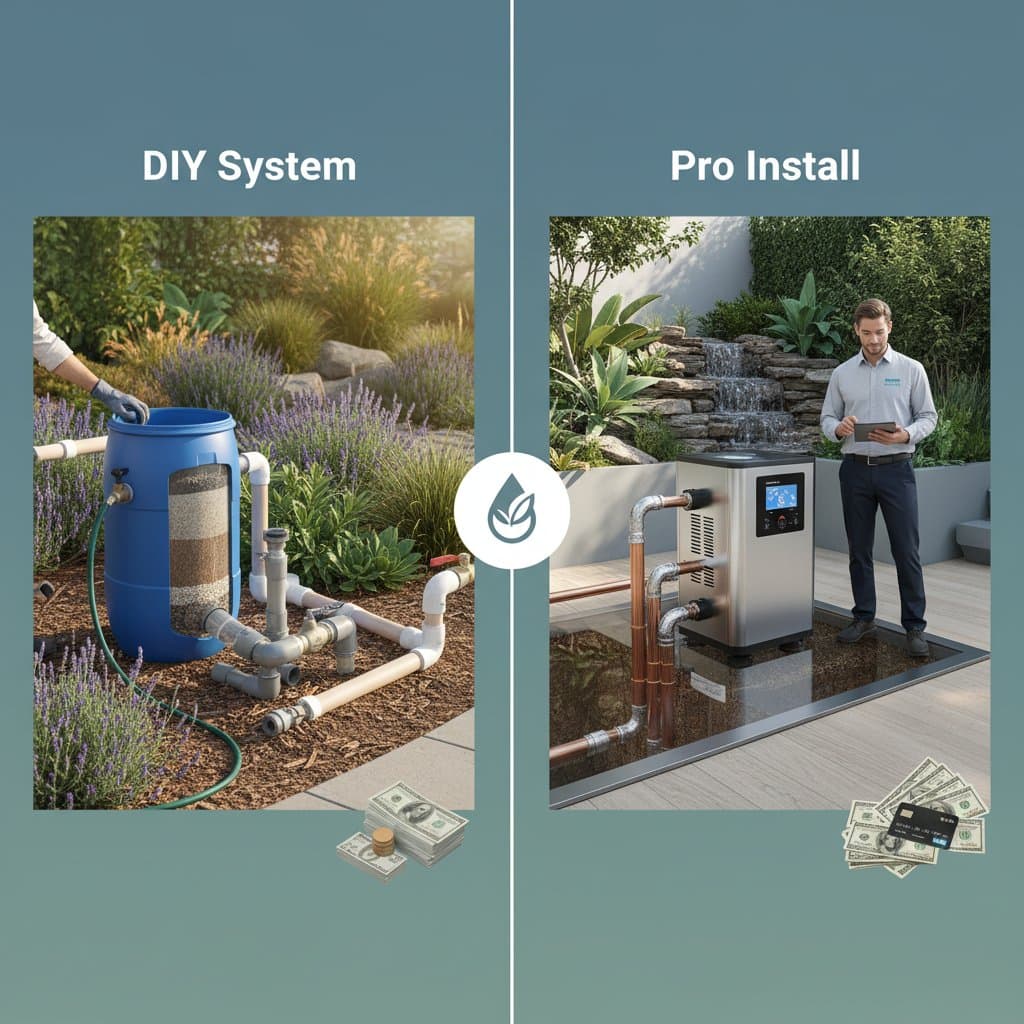
DIY vs Professional: Making the Right Choice
Selecting a DIY or professional greywater system hinges on budget constraints, technical skills, and familiarity with plumbing tasks. Both methods offer unique benefits alongside potential hurdles.
Benefits of DIY Systems
- Achieve lower upfront expenses through direct material purchases and labor savings.
- Design a system customized to specific yard contours or garden needs.
- Gain practical knowledge of home plumbing dynamics and water circulation.
Drawbacks of DIY Systems
- Lack access to manufacturer warranties or third-party inspections.
- Face possibilities of leaks, bacterial contamination, or reduced operational efficiency.
- Require substantial time for assembly, testing, and issue resolution.
DIY approaches suit homeowners possessing foundational plumbing expertise and awareness of regional regulations. These systems excel in straightforward outdoor irrigation setups that avoid integration with indoor plumbing.
Benefits of Professional Installation
- Ensure dependable operation via vetted components and rigorous testing.
- Meet all applicable building codes and water quality protocols.
- Receive warranty protections and ongoing expert assistance.
- Attain a streamlined appearance through hidden reservoirs and conduits.
Drawbacks of Professional Installation
- Incur elevated starting expenses due to labor and material markups.
- Experience limited options for post-installation modifications.
- Navigate delays from contractor availability and project coordination.
Professional services prove ideal for those seeking a hassle-free, regulation-adhering system capable of managing diverse water applications.
Time Commitment Comparison
A DIY project often spans multiple days, encompassing initial planning, procurement, assembly, and verification phases. Professionals, equipped with pre-arranged permits and supplies, typically finalize installations within one full day. Homeowners must evaluate the monetary worth of their personal time in this equation.
Safety and Sanitation Considerations
Greywater holds potential for bacterial growth without adequate filtration. Systems must avoid any linkage to potable water supplies to prevent health risks. Opt for non-toxic, plant-safe detergents and exclude wastewater from kitchens or bathrooms. Advanced professional units incorporate backflow preventers and timed rinsing mechanisms to maintain hygiene and eliminate odors.
How to Decide: Your Step-by-Step Guide
Informed choices begin with a thorough review of your residence, daily routines, and consumption patterns.
Step 1: Assess Your Water Use
Quantify reusable water volumes by tracking daily showers, laundry cycles, and sink usage. These sources typically yield 20 to 50 gallons per person annually for diversion. Frequent garden watering amplifies the financial and ecological returns from greywater diversion.
Step 2: Evaluate Your Plumbing
Inspect drain line locations and accessibility points. Properties with accessible laundry areas adjacent to landscaping simplify retrofits. Vintage structures might demand pipe rerouting or reinforced connections, escalating complexity.
Step 3: Calculate True Costs
Account for ancillary expenses like permit fees, ongoing filter replacements, and pump servicing. Request itemized estimates from contractors that detail labor, materials, and contingencies. DIY enthusiasts should compile comprehensive shopping lists, factoring in tools and potential error corrections.
Step 4: Consider Risks and Rewards
Self-built systems minimize expenditures yet introduce chances of plumbing failures or pollutant spread. Expert setups demand greater initial outlay but deliver assured functionality and legal adherence. Weigh personal proficiency against preferences for durability and reduced future interventions.
Step 5: Make Your Decision
Professionals streamline efforts for those valuing ease and longevity. Hands-on individuals with modest funds benefit from DIY outdoor configurations that foster self-reliance and immediate savings.
Preparing for Your Greywater Project
Thorough groundwork enhances efficiency and security, regardless of installation method.
Research and Planning
Examine municipal ordinances governing greywater handling and secure necessary approvals early. Pinpoint diversion outlets, such as ornamental beds or subsurface irrigation lines. Evaluate system variants, from basic diverters to advanced treatment units, aligning with financial and performance targets.
Site Preparation
Expose relevant plumbing segments by removing obstacles. Designate zones for conduit burial, storage vessels, or booster pumps. Test soil permeability to confirm it supports effluent dispersal without surface accumulation or groundwater issues.
Budgeting Tips
Allocate reserves for annual upkeep, including filter swaps and valve repairs. Investigate utility rebates or green building grants that offset up to 50 percent of costs. Solicit bids from at least three specialists to benchmark pricing and service scopes.
Timeline Considerations
Anticipate two to four weeks for permit processing in regulated areas. DIY timelines extend with learning curves, while pros adhere to quoted schedules barring unforeseen site challenges. Coordinate project starts during mild weather to avoid material degradation or labor complications.
Maintaining Your Investment
Sustained performance demands routine vigilance to safeguard health and efficiency.
Inspect filtration media and pumping mechanisms monthly for clogs or wear. Select biodegradable cleaners that decompose without harming soil microbes or vegetation. Introduce fresh water flushes quarterly to dissolve sediment and restore flow rates. Document all service activities in a dedicated record to predict part lifespans and schedule professional audits annually.
Realize Savings and Sustainability Gains
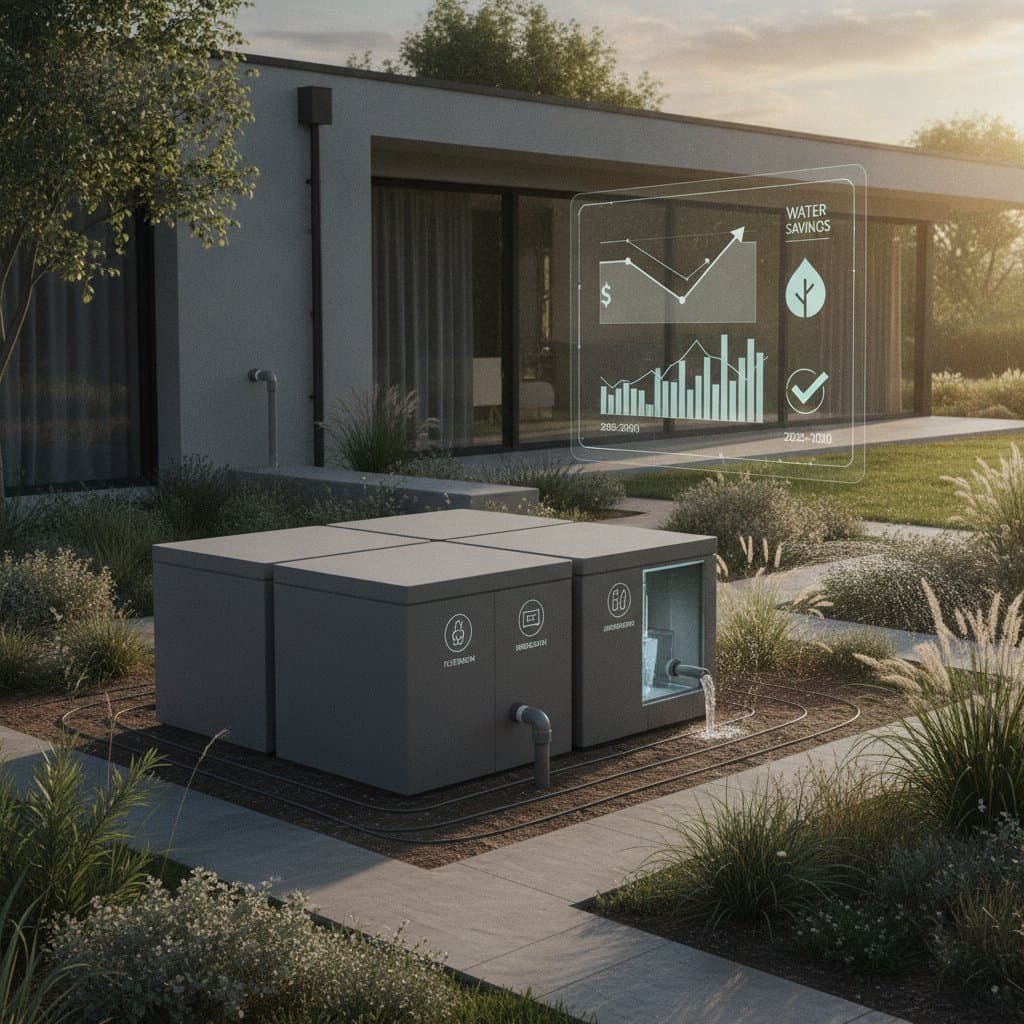
Implementing a greywater system not only trims utility expenses by 30 to 50 percent but also conserves freshwater resources amid growing scarcity. Homeowners report quicker ROI through reduced irrigation demands and enhanced landscape vitality. By integrating these systems thoughtfully, you contribute to broader environmental resilience while enjoying tangible household benefits.