Essential Fall HVAC Filter Guide for Superior Air Quality
Autumn brings cooler temperatures and prompts homeowners to activate heating systems after months of disuse. During this shift, tightly sealed homes trap indoor air, making the HVAC filter essential for circulation and purity. The correct filter selection enhances breathing quality, safeguards furnace components from debris, and optimizes energy use to prevent unnecessary expense.
This detailed guide outlines strategies for selecting top HVAC filters suited to fall conditions. It demystifies MERV ratings, explores filter materials, and provides tailored recommendations based on household dynamics. Readers will gain insights into establishing maintenance routines that deliver long-term savings and reliability.
Decoding Filter Ratings and Construction Materials
Simplifying MERV Ratings
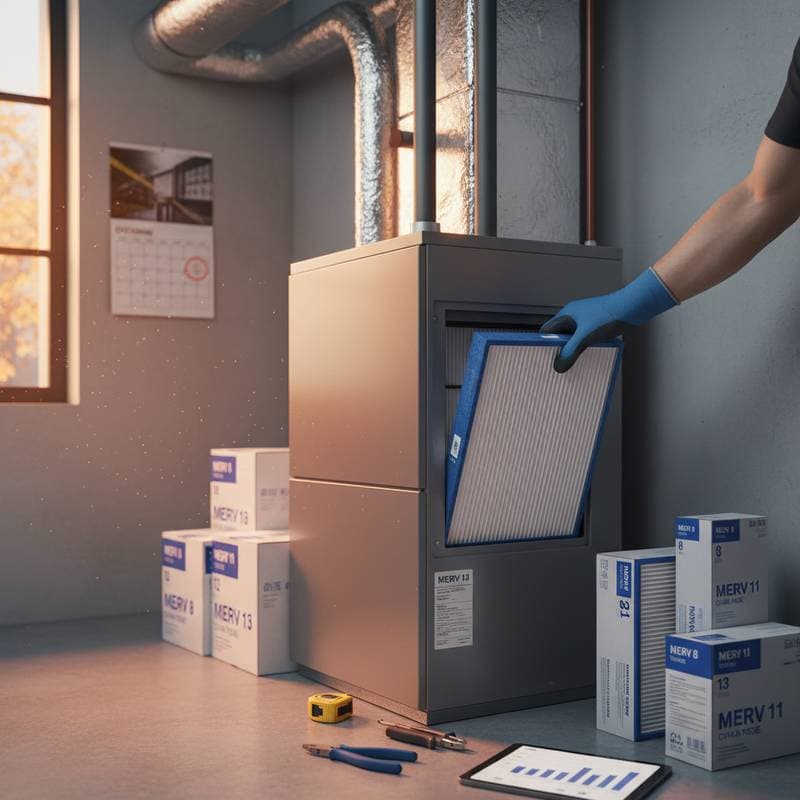
The Minimum Efficiency Reporting Value, known as MERV, quantifies a filter's ability to capture particles. This scale spans from 1 to 20, with elevated ratings indicating superior capture of minuscule contaminants. For typical home setups, filters in the MERV 8 to 13 range strike an optimal balance between effectiveness and system compatibility.
- MERV 1 to 4: Offer foundational defense against substantial debris like coarse dust. These suit basic applications, such as window air conditioners or aging HVAC units.
- MERV 5 to 8: Provide reliable performance for everyday residences, trapping elements including pet hair, fabric fibers, and moderate pollen levels.
- MERV 9 to 12: Ideal for environments with animals or light sensitivities, securing finer substances like animal shedding and subtle dust.
- MERV 13: Delivers a strong equilibrium of air passage and purification, intercepting microbes, tobacco residue, and select viral agents.
Opting for ratings beyond MERV 13 demands caution, as they might impede airflow in standard furnaces. Consult the equipment specifications prior to any enhancement to avoid strain on the system.
Key Filter Material Types
Filters vary in build to address diverse needs, from basic capture to advanced purification. Understanding these options aids in matching selections to specific home requirements.
- Fiberglass Variants: These economical, one-time-use options snag only prominent particles. They prove suitable for interim solutions or units demanding regular swaps due to low resistance.
- Pleated Designs: Constructed from layered synthetic or natural fabrics, these expand filtration area for extended durability. A pleated filter at MERV 8 or above represents a practical upgrade for average households, capturing more without frequent intervention.
- Electrostatic Models: These leverage charged surfaces to draw in contaminants. Available in reusable or single-use forms, they excel at securing lightweight items such as fur and haze from combustion.
- HEPA Standards: These achieve near-total removal of airborne matter, up to 99.97 percent efficiency. Their thickness requires verification of furnace capacity; expert assessment often ensures seamless integration.
Each material influences longevity and performance. For instance, pleated types typically endure two to three months under normal fall usage, while fiberglass demands monthly attention.
Selecting the Ideal Filter for Your Residence
Begin the process by inspecting the dimensions on your existing filter's edge. Common measurements include 16x20 inches or 20x25 inches, though bespoke installations may require unique cuts. With sizing confirmed, evaluate lifestyle factors to guide the choice.
Households with animals benefit from MERV 10 or superior pleated or charged filters, which manage shedding and related allergens effectively. For those prone to sensitivities, MERV 11 to 13 pleated options or dense HEPA equivalents minimize irritants like mold spores and outdoor infiltrates. In areas affected by tobacco use or city smog, filters incorporating activated carbon neutralize scents and microscopic pollutants.
Budget limitations do not preclude protection; monthly fiberglass replacements maintain basic function, albeit with reduced refinement. Prioritize a blend of efficacy and affordability: an investment in moderate MERV levels often yields savings through diminished cleaning and prolonged appliance vitality. Test different types seasonally to identify what best aligns with your setup.
Evaluating Expenses and Performance Impacts
Routine filter care directly influences operational costs. According to energy authorities, diligent upkeep can trim consumption by as much as 15 percent, yielding noticeable reductions in monthly statements and minimizing repair demands.
Assess value by calculating cost per usage period. For example, a $25 pleated unit spanning three months equates to roughly $8 monthly, comparable to a $5 fiberglass swapped each cycle yet with inferior capture. Over time, enhanced models prevent accumulation that damages critical parts like fans and coils, potentially adding years to the system's service life.
Consider broader efficiencies: cleaner filters facilitate smoother airflow, reducing the furnace's workload during peak heating months. This not only conserves resources but also maintains consistent temperatures, enhancing comfort without excess runtime.
Implementing a Reliable Replacement Schedule
Establishing timely changes forms the cornerstone of filter management. In fall, heightened reliance on heating accelerates clogging from accumulated summer dust and leaf debris entering the home. Aim to inspect filters monthly, replacing when visual blockage appears or airflow diminishes.
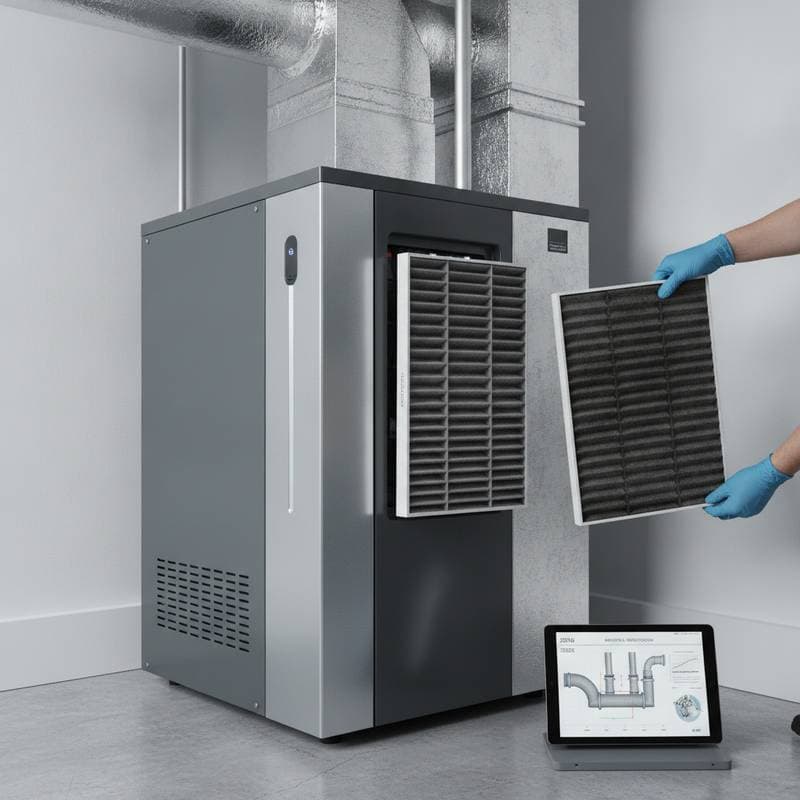
For standard pleated filters, a quarterly cycle suffices in low-dust environments, but pet-owning or high-traffic homes may necessitate bimonthly updates. Mark calendars or set reminders to align with seasonal shifts, ensuring the system operates at peak from the first chill. During replacement, vacuum the filter slot to remove settled residue, further boosting performance.
Professional audits every two years verify compatibility and airflow, catching issues before they escalate. This proactive approach safeguards investments and sustains the air quality gains from thoughtful selections.
Realizing Lasting Benefits from Fall Filter Strategies
Upgrading filters for autumn yields multifaceted advantages, from fiscal relief to health improvements. Homeowners report fewer allergy flare-ups and reduced dusting, creating a more inviting living space. Systems run quieter and more reliably, averting breakdowns during harsh weather.
By integrating these practices, individuals not only curb heating expenses but also foster a resilient home environment. Commit to informed choices and consistent care for sustained efficiency and well-being through winter and beyond.