Introduction to the Upcoming Changes
Homeowners nationwide must address the Environmental Protection Agency refrigerant regulations set for 2026. These rules will alter the maintenance and servicing of air conditioning systems by restricting certain refrigerants, increasing their costs, and determining which units qualify for legal recharges. Owners of central air conditioners, heat pumps, or mini-split systems benefit from early preparation to manage expenses and sustain reliable cooling.
This guide details the implications of the new regulations, outlines preparation strategies for existing systems, and provides guidance to prevent costly errors. Knowledge of these developments enables informed decisions prior to the standards implementation.
Reasons for Homeowners to Act Promptly
Numerous homeowners believe refrigerant regulations primarily impact manufacturers and service providers. In truth, the transition influences repair availability, service expenses, and property resale potential. Limited refrigerant supplies often lead to significant price escalations; for instance, R-22 prices climbed from approximately $50 per pound to more than $200 per pound shortly after its phaseout.
Systems over eight years old that rely on R-410A face heightened repair costs under the new rules. A routine refrigerant recharge, previously around $200, could surpass $600 post-transition. Awareness of this schedule assists in evaluating whether repairs remain viable or if replacement with a modern unit proves more economical.
Professionals in online HVAC discussions recommend scheduling services in advance of regulatory changes to sidestep price surges. One technician in a home improvement forum noted, “Every time a refrigerant phaseout happens, supply drops first, and the market reacts overnight. Stocking up or scheduling service early saves hundreds.” Such advice remains relevant for the current shift.
Steps to Prepare Your Air Conditioning System
Schedule a Professional Inspection
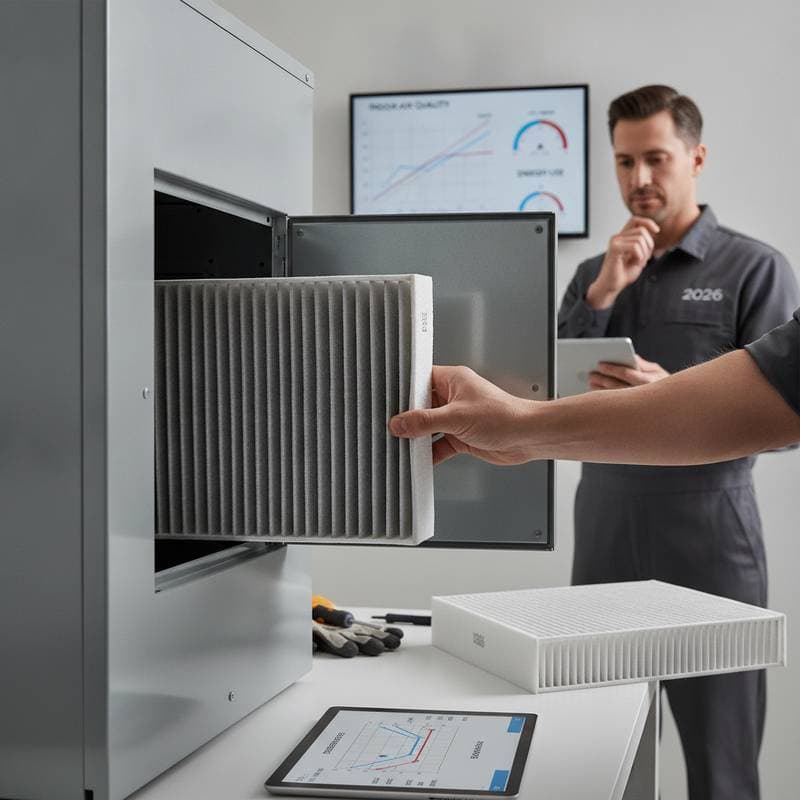
Engage a licensed HVAC technician to assess your system ahead of the 2026 deadline. This evaluation, typically costing $100 to $200, covers refrigerant levels, coil integrity, electrical components, and compressor operation. The professional conducts a leak detection test and offers recommendations on whether the unit warrants ongoing maintenance or requires replacement.
Address Leaks Without Delay
Minor refrigerant leaks may breach stricter EPA thresholds once the rules activate. Systems losing more than a few ounces annually demand immediate attention. Leak repairs range from $250 to $900 based on the issue's complexity and location; resolving them now averts substantial refrigerant waste and associated fees in the future.
Perform Routine Cleaning and Maintenance
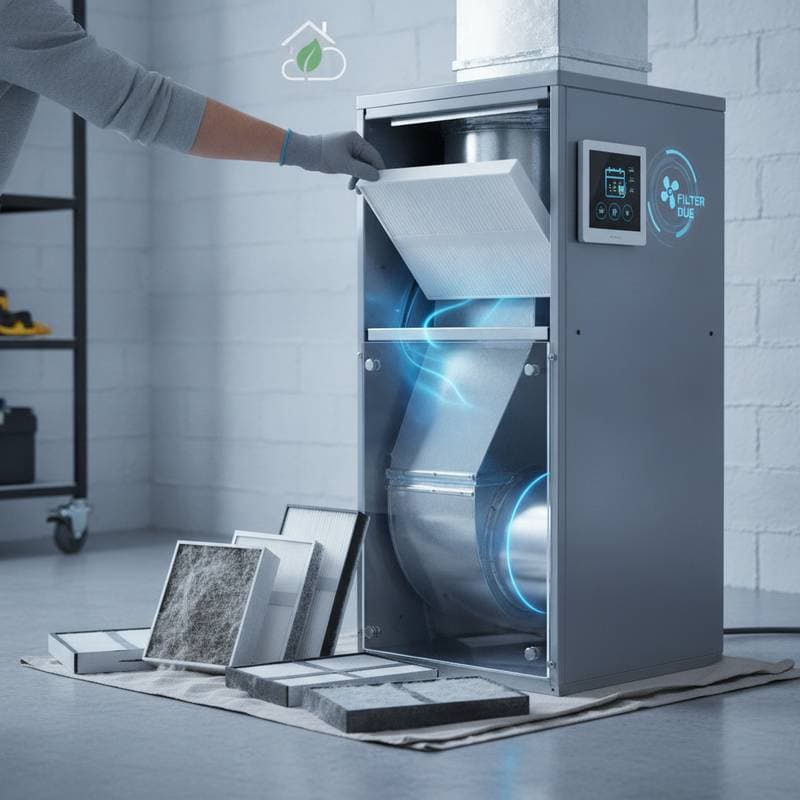
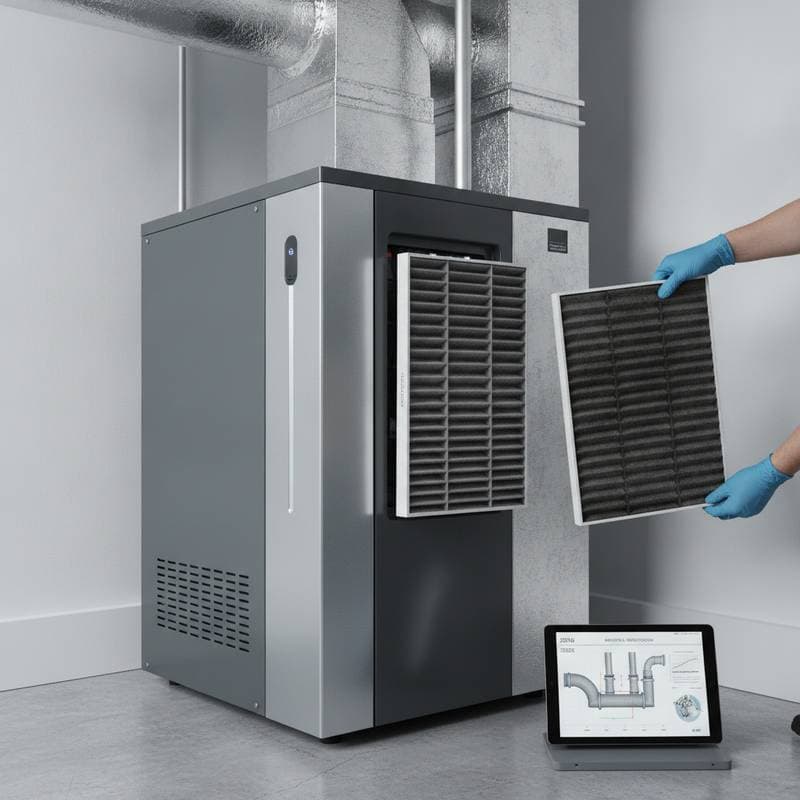
A well-maintained system operates more efficiently and reduces strain on the refrigerant loop. Replace or clean air filters every one to three months as a homeowner task. Gently rinse outdoor coils with a garden hose to clear accumulated dirt and debris, and ensure at least two feet of clearance around the outdoor unit to facilitate airflow. Consistent upkeep often prolongs system longevity by multiple years.
Evaluate Retrofitting or Full Replacement Options
Certain HVAC manufacturers offer retrofit kits to adapt older units for low-GWP refrigerants. These conversions, priced at $1,000 to $2,000, generally involve updated valves, seals, and refrigerant charges. Not every system qualifies, so consult a contractor for feasibility. For units approaching the end of their service life, installing a new EPA-compliant model may offer better value; costs for a central air conditioner typically fall between $6,000 and $12,000, varying by capacity and energy efficiency rating.
Safety Protocols and Environmental Responsibilities
Next-generation low-GWP refrigerants exhibit distinct properties compared to predecessors, including mild flammability in some cases. Technicians employ specialized equipment and protocols to handle these substances safely. Homeowners must refrain from attempting refrigerant additions or manipulations, as EPA guidelines mandate certified professionals for all recovery and recycling tasks.
Suspected leaks warrant immediate system shutdown and technician consultation. Indicators include diminished cooling performance, hissing noises near the compressor, or frost accumulation on the evaporator coil. Extended refrigerant exposure poses risks to the environment and may irritate indoor air quality, potentially affecting respiratory health.
Compliance extends to equipment disposal. During replacements, request a recovery certificate from the installer verifying proper refrigerant capture and recycling per EPA standards. This record shields against liability and demonstrates adherence to environmental best practices.
Collaborating Effectively with HVAC Experts
Choosing a competent contractor proves essential for successful navigation of these changes. Seek professionals certified under the EPA Section 608 program, and inquire about their experience with R-32 or R-454B systems. Established providers furnish clear explanations of refrigerant choices and deliver itemized estimates delineating labor, materials, and refrigerant expenses.
Review feedback on sites such as Google or Yelp, alongside HVAC-focused online communities. Accounts from users who installed low-GWP systems early reveal insights into durability and operation. These perspectives aid in selecting solutions suited to your regional climate and financial parameters.
Strategies to Maximize Cooling System Longevity
Investing time in preparation today secures uninterrupted comfort tomorrow. By conducting inspections, sealing leaks, and exploring upgrade paths, homeowners mitigate the financial impacts of the 2026 regulations. Partnering with certified experts ensures compliance while optimizing energy use and environmental stewardship. These proactive measures preserve your cooling investment and support sustainable home practices for years ahead.